Legal and Diplomatic Tensions Escalate in African Football
This week marks a pivotal moment for the 2025 Africa Cup of Nations (AFCON) as tensions between Morocco and Senegal reach new heights, fueled by both legal disputes and diplomatic frictions. The situation has drawn the attention of CAF President Patrice Motsepe, who is seeking to mitigate the crisis that threatens the integrity of African football. According to reports from Foot Mercato, the Senegalese Football Federation is set to appeal to the Court of Arbitration for Sport (CAS) following the arrest of their fans in Rabat, further complicating an already volatile situation.
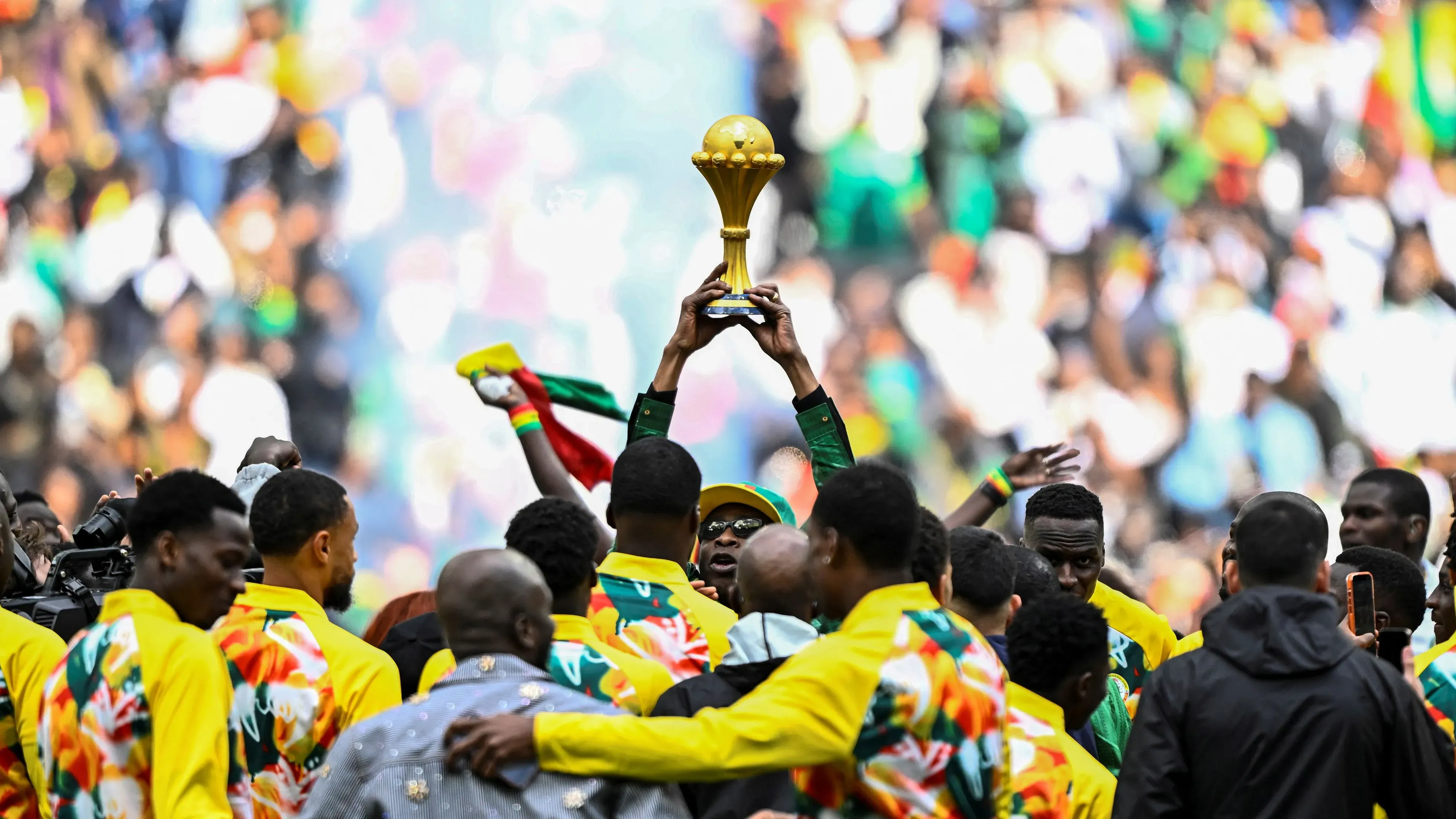
The current crisis extends beyond mere sporting concerns, delving into political and judicial realms, and its roots can be traced back several weeks. On March 17, the Confederation of African Football (CAF) controversially stripped Senegal of their AFCON title, awarding it to Morocco. This decision was based on the CAF's interpretation that Senegal's temporary exit from the field during the final constituted a withdrawal, prompting significant backlash from the Senegalese Federation, which labeled the ruling as "unjust and illogical." They have since turned to CAS, asserting their status as the "legal champions of Africa" and requesting an expedited resolution before the 2026 World Cup.
Diplomatic Efforts Amidst Rising Tensions
The Moroccan Football Federation has reiterated its commitment to CAF regulations and international cooperation, while the Senegalese team celebrated a symbolic victory in a friendly match against Peru. In the midst of these rising tensions, President Motsepe has ramped up diplomatic efforts in a bid to calm the escalating situation. His recent visit to Dakar, where he met with Senegalese President Bassirou Diomaye Faye, was followed by a trip to Rabat, which he described as a "rescue mission" for African football.
Motsepe emphasized that CAF is dedicated to ensuring the integrity of the sport across the continent and announced a review of tournament regulations in light of the events that transpired during the final. He stated, "Sanctions must be deterrent, but at the same time, we need to improve laws to ensure justice and transparency." Additionally, he dismissed allegations of corruption against the Senegalese federation as "baseless," underlining the importance of protecting the reputation of all 54 African federations.
This week also sees the commencement of the appeal trial for 18 Senegalese fans who were detained following the AFCON final in Rabat. Initially sentenced to prison terms ranging from three months to a year for disturbances and violence at a sporting event, the appeal hearing is set to take place on Monday at the Rabat Court of Appeals. The case has garnered significant media and diplomatic attention, viewed as a critical test for bilateral relations.
The Moroccan National Human Rights Council has confirmed its close monitoring of the proceedings to ensure transparency and the safeguarding of the detainees' rights. The Council has attended sessions, reviewed case files, and visited the detainees at Al-Arjat prison without the presence of prison administration, with no reports of rights violations. Their aim is to ensure the presumption of innocence, public access to sessions, and the full exercise of defense rights.
It is important to note that the Royal Moroccan Football Federation is not involved in the judicial process, keeping the case strictly within the Moroccan judicial system. As the African public eagerly awaits the outcome of this week's sessions, a pressing question looms: Will CAF manage to contain the crisis, or will the 2025 Africa Cup of Nations mark the climax of the most significant crisis in modern African football history?
As reported by goal.com.