Romania's Alleged Endorsement of Moroccan Autonomy in Western Sahara
Recent developments suggest that Romania has officially expressed its support for Morocco's stance on Western Sahara through a letter from President Nicușor Dan to King Mohammed VI. According to reports disseminated from Rabat, Bucharest believes that "true autonomy under Moroccan sovereignty" could be a viable solution to the ongoing dispute. Furthermore, Morocco's 2007 proposal is characterized as the "most suitable, serious, credible, and realistic" basis for achieving a political resolution. However, it is noteworthy that this information primarily comes from the Moroccan Ministry of Foreign Affairs, with no equivalent communication from the Romanian Presidency or access to the original document itself. This raises questions regarding the authenticity and context of the claims made.
The absence of the letter on official Romanian websites is striking, as is the lack of a full reproduction that would allow for verification of its wording, the language used, and any nuances introduced by the Romanian president. It is crucial to clarify that the existence of the letter is not being disputed, nor is there any doubt that Nicușor Dan has conveyed a favorable position towards Morocco. However, it is essential to differentiate between the original document and the excerpts selected by Rabat to announce a new international endorsement of its proposal regarding Western Sahara.
A Diplomatic Gesture Shrouded in Ambiguity
The letter was handed over to Moroccan Foreign Minister Nasser Bourita by Dacian Cioloș, a prominent Romanian political figure and the current presidential advisor. The Moroccan diplomatic narrative maintains that the letter posits autonomy under Moroccan sovereignty as a potential solution to the conflict, highlighting Morocco's 2007 plan as the reference political proposal. While this representation has been echoed by various media outlets, including Europa Press, it is critical to note that these claims originate from Morocco, with no independent confirmation available from Romanian sources.
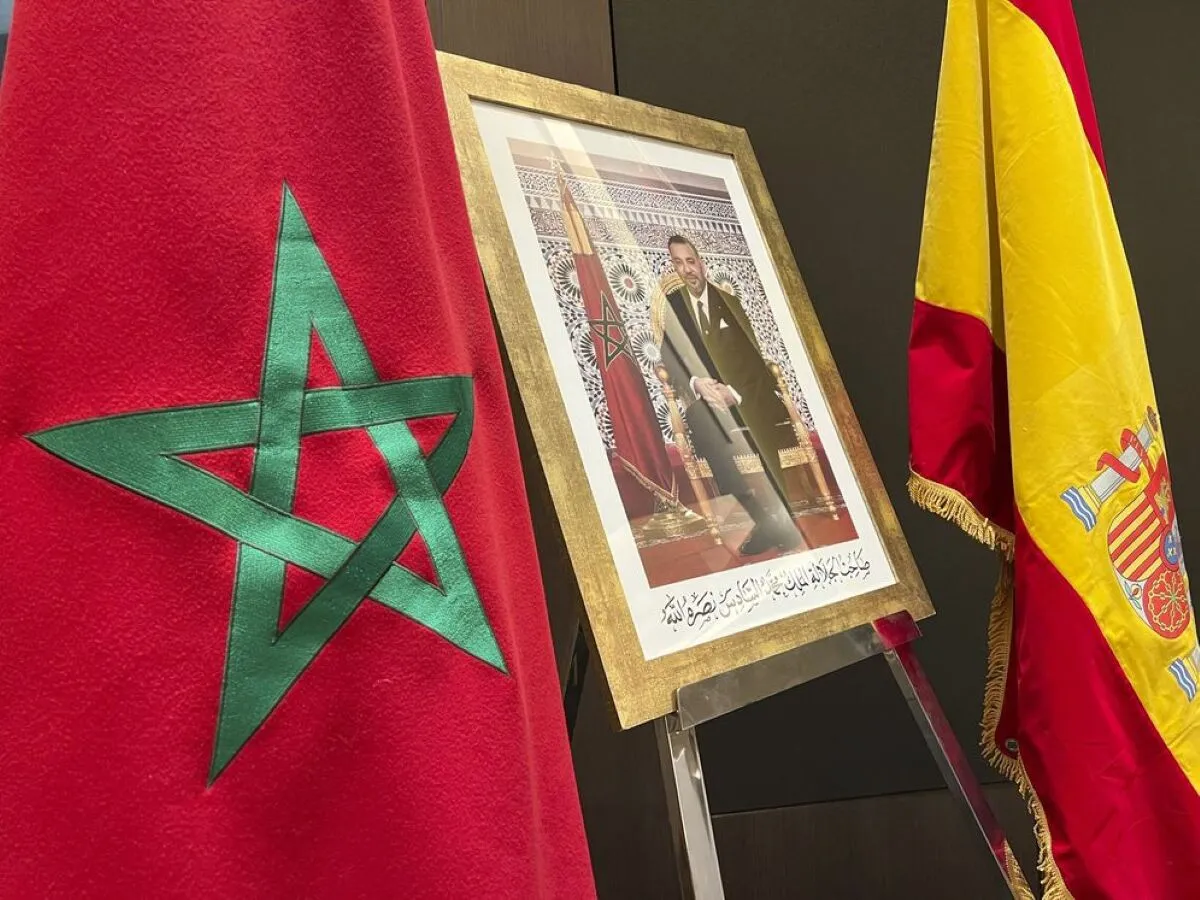
Such a scenario is reminiscent of previous diplomatic interactions, notably with Spain's Prime Minister Pedro Sánchez in March 2022, when Spain's shift in position on Western Sahara was initially announced through a letter to King Mohammed VI. In that case, Morocco released excerpts suggesting Spain viewed its autonomy plan as the most credible path forward. While the Romanian letter appears to represent a more explicit endorsement of Moroccan sovereignty, it lacks the same historical context and implications as Spain's long-standing colonial ties to the region.
Dacian Cioloș's visit to Morocco is not merely a diplomatic exchange but is also tied to his candidacy for the Secretary-General of the International Organization of La Francophonie. During his visit, he sought support among member states, with Morocco playing a significant role within the Francophonie, especially among African nations. While no direct evidence links the letter's content to Cioloș's candidacy, the timing and nature of the message are intrinsically connected to his diplomatic mission.
The Romanian Presidency must take responsibility by publishing the letter in question to clarify its exact wording and the circumstances surrounding its initial revelation through the Moroccan Ministry of Foreign Affairs. Without this transparency, the information regarding Romania's position remains incomplete. The fragments released by Morocco do not suffice to grasp the full scope of the Romanian stance, nor do they reflect the complexities surrounding the Western Sahara issue, which remains subject to decolonization. The Sahrawi people retain their right to self-determination, a fact that diplomatic exchanges cannot erase. While Romania is entitled to adopt whatever political stance it deems appropriate, it is imperative that this is done publicly and that the original text representing its position is made available.
As reported by noteolvidesdelsaharaoccidental.org.