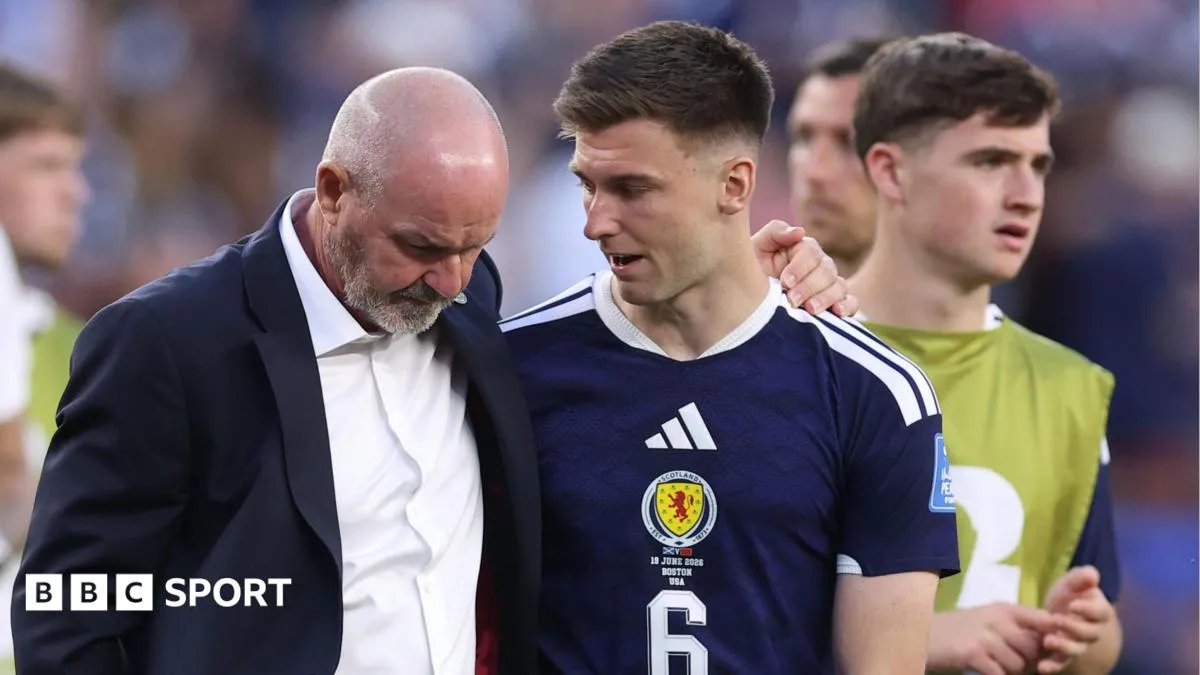

Scotland's World Cup Performance: A Mixed Bag
As Scotland competes in the World Cup, their journey has been a rollercoaster of emotions, with their aspirations of advancing from Group C hanging in the balance. After two matches, the team has accumulated three points, resulting from a narrow 1-0 victory over Haiti, followed by a 1-0 defeat to Morocco. This puts them in a precarious situation heading into their crucial match against Brazil, where they must avoid a heavy loss to stand a chance of reaching the knockout stages. A draw would significantly bolster their qualifications for the last 32. The performances in Boston have sparked discussions about the team's strengths and weaknesses, particularly as they prepare to face formidable opponents in Miami.
Analyzing Scotland's Strengths and Weaknesses
One of the primary concerns for Scotland has been their lack of attacking fluidity. Under head coach Steve Clarke, the team initially adopted a 4-4-2 formation that yielded impressive results in friendlies against lesser opponents. However, this approach did not translate effectively into the tournament, as evidenced by their minimal offensive output. Against Haiti, they recorded fewer shots than their opposition, and their expected goals (xG) figures of 1.05 compared to Haiti's 1.21 highlight their struggles. Key players such as Lawrence Shankland and Che Adams have found themselves isolated and unable to contribute significantly, leading to a lack of cohesive attacking play. Clarke may need to reconsider his strategy for the upcoming match against Brazil, potentially making personnel changes to inject more dynamism into the attack.
On the defensive end, Scotland has shown commendable resilience. Despite conceding an early goal to Morocco, the defense managed to limit their high-caliber opponents to just a handful of clear-cut chances. Jack Hendry stood out with his pace and tactical awareness, successfully neutralizing threats and demonstrating the squad's ability to regroup after setbacks. This defensive solidity will be crucial as Scotland looks to maintain their hopes of advancing in the tournament.
In goal, Angus Gunn has emerged as a key player, justifying Clarke’s decision to start him despite previous uncertainties surrounding his club form. His performance against Haiti earned him a clean sheet, and he made several crucial saves against Morocco, keeping Scotland competitive. Meanwhile, the absence of Billy Gilmour due to injury has been felt in midfield, where the team has struggled to maintain possession and orchestrate attacks. Although players like Scott McTominay and Lewis Ferguson have stepped up, they do not possess Gilmour's playmaking abilities, which has affected Scotland's midfield dynamics.
As Scotland prepares for their pivotal encounter with Brazil, it is clear that they must address both their attacking inefficiencies and continue leveraging their defensive strengths. The outcome of this match will not only determine their fate in the tournament but also shape the future of Scottish football on the world stage.
As reported by bbc.com.