Concerns Over Financial Irregularities in Local Governance
Recent alarming reports have prompted the central authorities of the Ministry of Interior in Morocco to take decisive action against local officials in the Casablanca-Settat, Rabat-Salé-Kenitra, and Marrakech-Safi regions. These reports, flagged as urgent, reveal troubling patterns of financial mismanagement concerning the handling of municipal debts. Several local leaders have been implicated in attempts to "roll over" outstanding debts owed to contractors into new contracts, raising suspicions of electoral agenda manipulation as the legislative elections scheduled for September approach.
Informed sources have indicated that the urgency of the Ministry's response is attributed to a rising number of complaints from small and medium-sized enterprises (SMEs) experiencing delays in receiving their payments. While certain elected councils cite financial constraints as reasons for these delays, they simultaneously embark on new expenditures that lack any competitive transparency. These complaints have been compounded by reports suggesting that some elected officials are linking the settlement of debts owed to companies with the completion of local projects, which raises serious questions regarding the legitimacy of these transactions. Reports indicate that these questionable practices have surged in recent months, particularly regarding contracts for decorative equipment tied to national celebrations and seasonal festivals, which now represent a significant portion of local spending.
Systematic Abuse of Public Funds
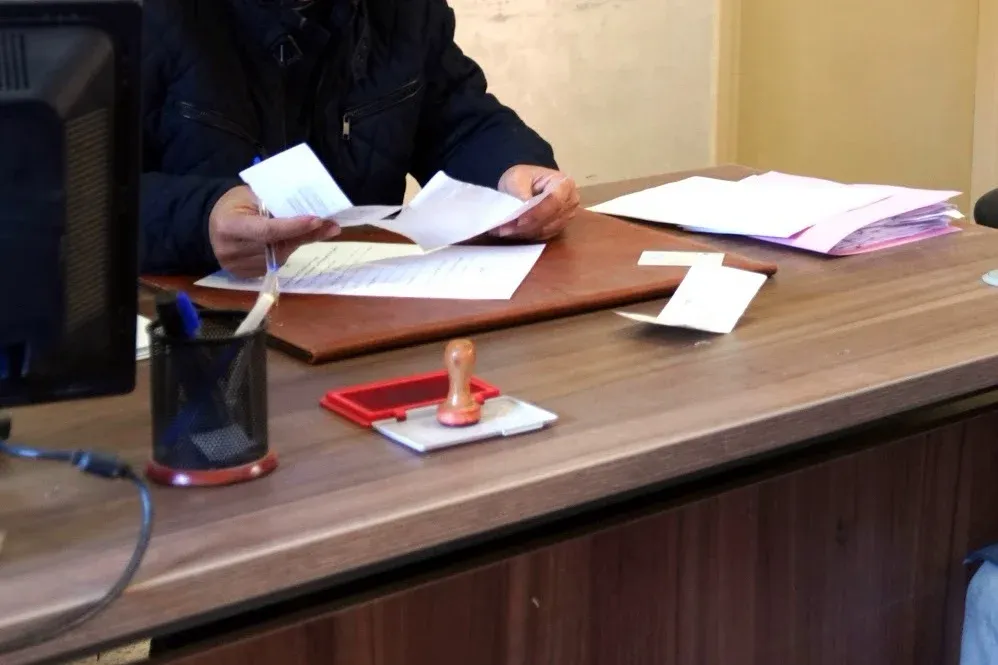
Further investigations revealed that the irregularities extend to the frequent use of request notes to circumvent standard competitive bidding processes. Some local leaders are reportedly splitting large contracts into smaller ones to evade tender requirements, directing these contracts to specific suppliers and contractors with whom they have dubious relationships. This tactic predominantly revolves around request notes valued at twenty million centimes, a threshold that naturally allows for direct negotiations devoid of transparency. In certain documented cases, officials have even issued fraudulent documents to facilitate the receipt of non-existent supplies, blatantly violating the directives set forth by the Interior Ministry aimed at reducing payment delays and enhancing transparency in dealings with local contractors. The Ministry has emphasized that delays in payments jeopardize the business climate and the financial stability of enterprises, asserting that transparency in spending procedures is a national priority.
Contractors have filed complaints with local authorities, accusing elected officials of exerting pressure to accept new contracts in exchange for expedited payments for previous outstanding debts before the end of their electoral term. These testimonies converge on a common pattern of holding debts as leverage, only to release them under the condition of accepting dubious financial arrangements, resembling organized extortion primarily targeting smaller companies lacking the financial or legal clout to resist such practices. The central administration has directed regional offices to establish committees to audit payment files related to contracts to ensure compliance with public spending regulations, along with strict instructions for immediate actions to resolve disputes between municipalities and creditor companies, thereby safeguarding public funds from potential electoral exploitation.
As reported by hespress.com.