
The race to host the final match of the 2030 World Cup has intensified, with Morocco stepping up its efforts to secure the prestigious event. Spain and Morocco, along with Portugal, have reached a historic agreement to jointly host the tournament, which will take place in four years. The FIFA organization has deemed this collaborative bid as the most appealing option, allowing matches to be held across stadiums in Spain, Morocco, and Portugal.
Initially, the atmosphere surrounding this collaboration was filled with optimism, as congratulations flowed and the football federations involved appeared to be in complete harmony. Despite the announcement of the host countries, FIFA has not yet confirmed the location of the tournament's final match, leading many, including those in Spain, to assume it would be held on Spanish soil—an assumption that Morocco has not accepted as final.
In recent times, Morocco has been vocal about its intentions, signaling a strong desire to host the last match of the 2030 World Cup within its borders. This ambition could be a significant setback for Spain's interests while simultaneously offering Morocco a substantial boost in terms of sports prestige, economic benefits, and political influence.
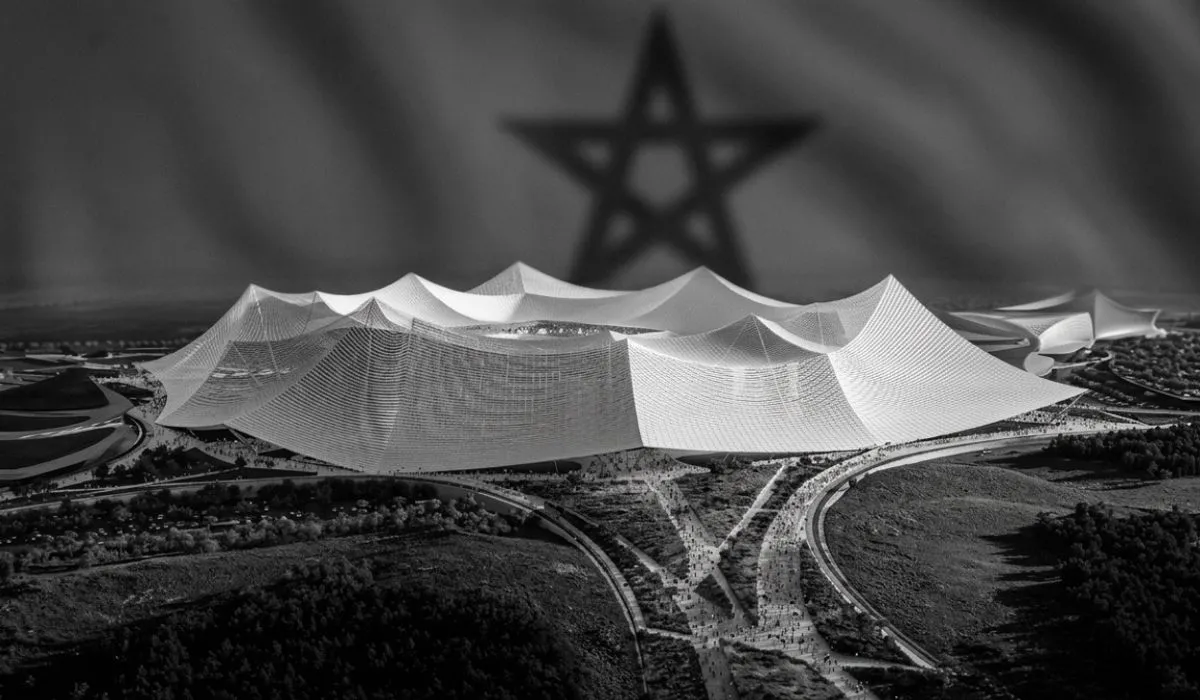
The Moroccan capital, Rabat, is strategically maneuvering to secure this opportunity and has engaged in discussions with key stakeholders involved in the decision-making process. Morocco presents itself as more than capable of hosting the World Cup final, particularly at the Hassan II Stadium in Casablanca. This venue boasts a capacity of nearly 115,000 spectators, significantly surpassing that of its Spanish counterpart, the revamped Santiago Bernabéu, which accommodates around 90,000. However, FIFA's evaluation criteria extend beyond mere capacity; the overall infrastructure of the stadium also plays a critical role.
Typically, the final is assigned to the largest or most iconic venue in the host country, with FIFA imposing strict requirements regarding safety, access, VIP areas, media zones, and global broadcasting capabilities. The location's accessibility and connectivity are also crucial, as FIFA seeks venues with international airports, abundant hotel options, and efficient transportation for teams, fans, and media personnel. The logistics of such a large-scale event cannot be overstated.
In light of these developments, the Royal Spanish Football Federation (RFEF) is becoming increasingly anxious about Morocco's ambitions, prompting officials to issue warnings. Rafael Louzán, the president of the RFEF, has called for more engagement from the Spanish government regarding the World Cup preparations. He emphasized the importance of Spain taking a leading role in this initiative, stating, "The Government of Spain must start to get involved in this event now because it's necessary. In Morocco, there's one leader, whereas here, we have many. This is a Spanish project, and it must be led by Spain. From September onwards, we need to seize the opportunity; there are various structures that must be ready. We cannot afford to miss this chance, and I believe Spain can achieve the best outcomes. The UEFA has questioned our intentions regarding organizing everything at once, but we have shifted our approach. We foresee 20 venues, with eleven allocated for Spain, six for Morocco, and three for Portugal. This World Cup will span three continents and six countries, including Argentina, Paraguay, and Uruguay. We are determined to take the lead in this venture, with many stadiums already undergoing improvements, including significant renovations in Valencia and Zaragoza, estimated to cost around €2.5 billion," he detailed.
However, Louzán also expressed deep concern regarding the possibility of Morocco outmaneuvering Spain in this competitive bid. Sources familiar with the situation have confirmed that there is considerable apprehension within the RFEF. "Morocco has been playing its cards right and holds substantial influence in political, economic, and sporting arenas. Just look at what happened in the Africa Cup, where they were declared champions after losing the final on the pitch," remarked an executive from a major Spanish football club.
Moreover, Morocco has been strengthening its ties with the United States, especially given Spain's distancing from the Trump administration's recent geopolitical maneuvers. Reports indicate that the U.S. and Morocco are planning a summit to enhance military cooperation under the existing Bilateral Defense Advisory Committee, which is designed to coordinate military exercises, strategies, and the modernization of Moroccan armed forces. This relationship is viewed within the broader context of growing alignment between Washington and Rabat, coinciding with ongoing political discussions around the use of U.S. bases in Spain, such as Rota and Morón.
Furthermore, U.S. investment funds are considering Morocco as an attractive destination for capital due to its relative stability in the region and the rising geoeconomic interest in the country. It is also pertinent to note that the United States is set to host the World Cup this summer, and the close relationship between FIFA President Gianni Infantino and former President Donald Trump may increase the likelihood of U.S. influence swaying decisions in favor of Morocco.
As reported by vozpopuli.com.