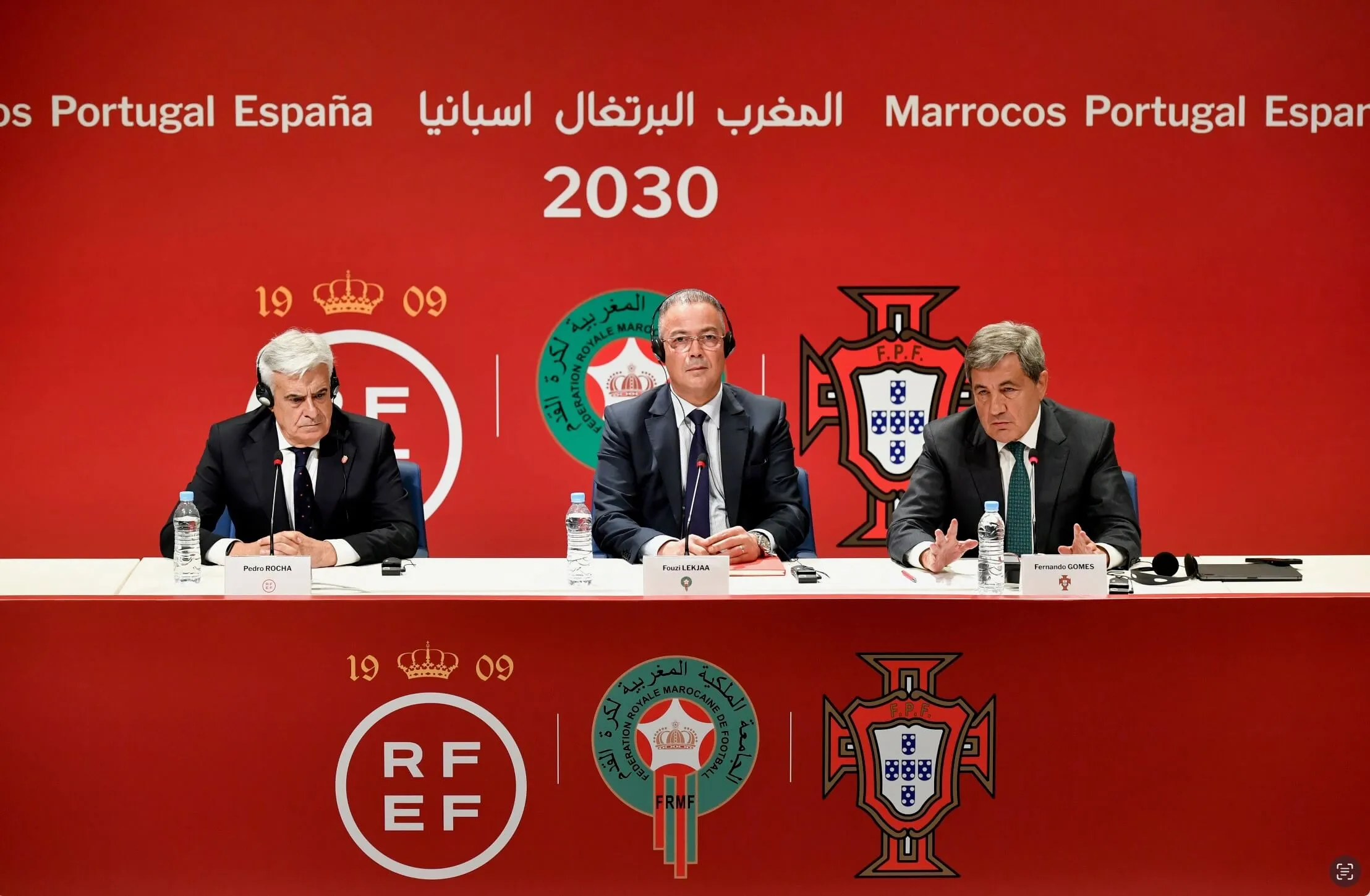

The Spanish government has finally addressed the rising controversy surrounding the venue for the 2030 World Cup final, as the possibility of hosting the match in Morocco has shifted from a mere ambition to a significant concern within Spanish sports and media circles. This shift comes in light of the progress being made on the Hassan II Stadium located near Casablanca, as well as discussions regarding Morocco's influential maneuvering within FIFA's corridors.
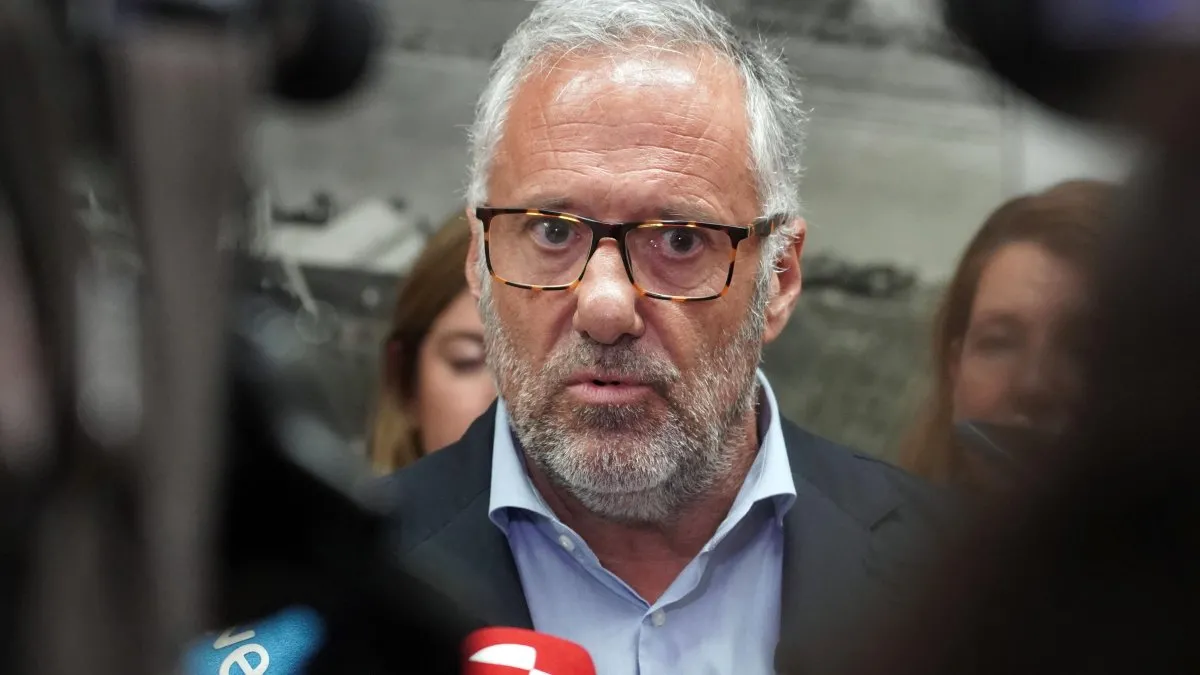
Milagros Tolón, Spain's Minister of Education, Vocational Training, and Sports, firmly denied any official decision granting Morocco the final match, while simultaneously asserting that the Madrid government is committed to ensuring the event takes place in Spain. She stated that the circulating news is "not official" and emphasized that both the government and the working groups preparing for the World Cup will advocate for the Spanish bid. Furthermore, she revealed an upcoming meeting with FIFA officials scheduled for September.
Despite Tolón's denial of reports suggesting that Morocco had secured the final, her comments reflected an official acknowledgment from Spain that the competition is far from settled in favor of Madrid or Barcelona. It indicates a need for direct governmental and federal action within FIFA. In a video interview with the Spanish edition of "Assahifa," the Deputy Editor of "Marca" discussed the apprehensions prevalent in Spain regarding the potential loss of the final match to Morocco, a prospect that previously seemed unlikely given Spain's extensive array of stadiums and matches as part of the joint hosting arrangement.
Rafael Lozano, the President of the Spanish Football Federation, also underscored that Spain holds approximately 55% of the responsibility for organizing the World Cup, asserting that it would be unreasonable for the final not to be held on Spanish soil. However, FIFA has yet to announce which stadium will host the final, with three main options remaining: the Santiago Bernabéu Stadium in Madrid, Camp Nou in Barcelona, and the Hassan II Stadium in Morocco.
The Moroccan project significantly strengthens its position in this competition, as the Hassan II Stadium is expected to accommodate around 115,000 spectators, compared to approximately 85,000 at the Bernabéu and around 105,000 at Camp Nou after its renovations are complete. Morocco is positioning the stadium as a symbolic venue for the largest final in the tournament's history, showcasing Africa's capability to host the world's most significant football event.
Concerns in Spain have intensified following reports from local media suggesting that Morocco has successfully established a support network within FIFA’s Council, leveraging its relationships across Africa, the Arab world, and internationally. Reports cited by "Mundo Deportivo" claimed that Morocco has garnered the support of 22 out of 37 members within FIFA’s Council, benefiting from backing from African and Asian nations, as well as potential influence from the United States, Qatar, and Saudi Arabia. However, these claims remain unverified by FIFA or any independent official entity.
At the center of these fears is the name of former U.S. President Donald Trump, due to his strong ties with FIFA President Gianni Infantino and the escalating political tensions between Washington and Madrid. Trump has publicly referred to Infantino as a friend and has established a task force within the White House to oversee the organization of the 2026 World Cup, directly coordinating with the FIFA president.
This situation arises amid sharp disputes between the Spanish government and the U.S. administration over defense spending within NATO, and Madrid's refusal to allow the use of Spanish military bases for operations related to the war in Iran. Tensions have escalated to the point where Trump threatened to halt trade with Spain, labeling it a poor partner within the alliance, despite attempts by Pedro Sánchez's government to downplay the crisis.
This climate has led Spanish journalists to caution against the potential for Trump to leverage his relationship with Infantino to support Morocco's bid. "Mundo Deportivo" quoted journalist Juanma Castano, noting that while the Spanish Federation does not publicly express its concerns, there are fears that Trump might endorse holding the final in Morocco due to his favorable relations with Rabat and conflicts with Madrid.
Nonetheless, despite the extent of these worries, they do not imply that the U.S. President has intervened in the final decision regarding the 2030 World Cup. To date, there is no official document or statement from FIFA indicating that Trump is campaigning in favor of Morocco, nor has there been any announcement regarding an official vote on the final venue.
What is clear is that Morocco is no longer merely a secondary partner in hosting the World Cup but has emerged as a strong competitor for the tournament's most critical match, bolstered by a massive stadium, rapid sports investments, and extensive diplomatic efforts. Meanwhile, Spain, which previously viewed either the Bernabéu or Camp Nou as the natural choice, now finds itself compelled to elevate the contest from the sports arena to the governmental level, eagerly awaiting the September meeting that could provide the first official indicators regarding the host of the 2030 World Cup final.
As reported by assahifa.com.