
Understanding the Migration Crisis in Ceuta
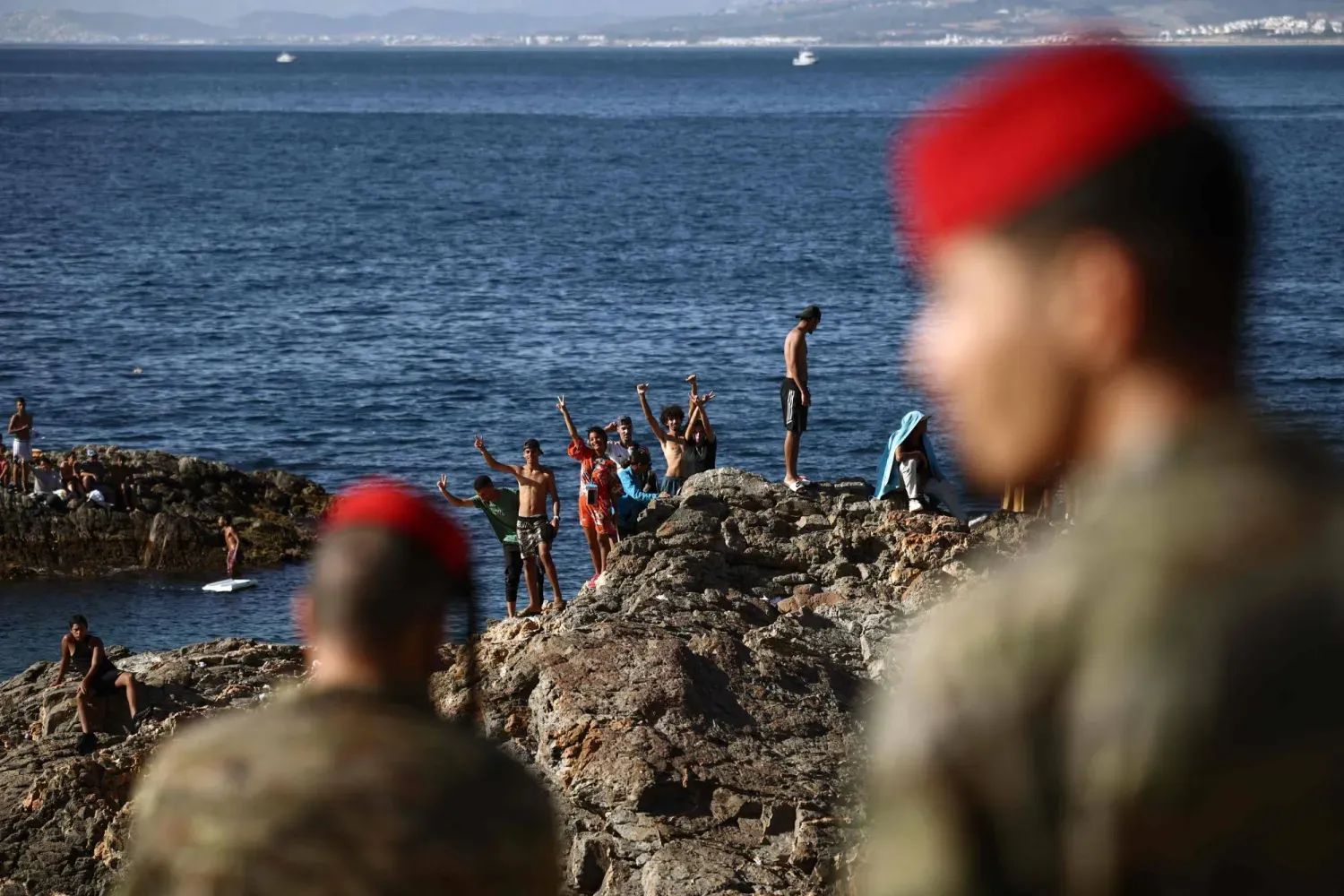
The ongoing migration crisis in Ceuta has intensified following revelations that Spain's intelligence agency, CNI, sent a crucial warning via WhatsApp just days before an unprecedented surge of migrants crossed the border from Morocco. On July 29, 2026, a CNI employee communicated a warning to the government representative in Ceuta, indicating that social media was abuzz with calls for a mass storming of the border and the sea the following day at 8 PM. This alarming prediction was based on two distinct groups boasting a total of 180,000 followers. The aftermath was staggering, as up to 80,000 individuals attempted to enter the Spanish enclave, resulting in tragic fatalities; reports indicate that at least 100 people lost their lives during this crisis, according to the Mayor of Ceuta and covered by the BBC.
Government Accountability and Response
In light of these events, the Spanish government, led by Prime Minister Pedro Sánchez, has released approximately 40 previously classified documents covering the period from July 1 to July 31. These documents are intended to clarify the extent of knowledge the authorities had regarding the impending influx of migrants. The released files reveal a flurry of alarm notifications; as early as July 27, military intelligence had assessed a massive arrival of migrants as "very likely." Subsequently, two days later, the CNI sent warnings to the Guardia Civil, the government representative in Ceuta, and even to Moroccan intelligence agencies, DGST and DGED. The CNI specifically identified WhatsApp and Facebook groups that were encouraging migrants to take advantage of Morocco's National Day celebrations on July 30, suggesting that security forces would be preoccupied.
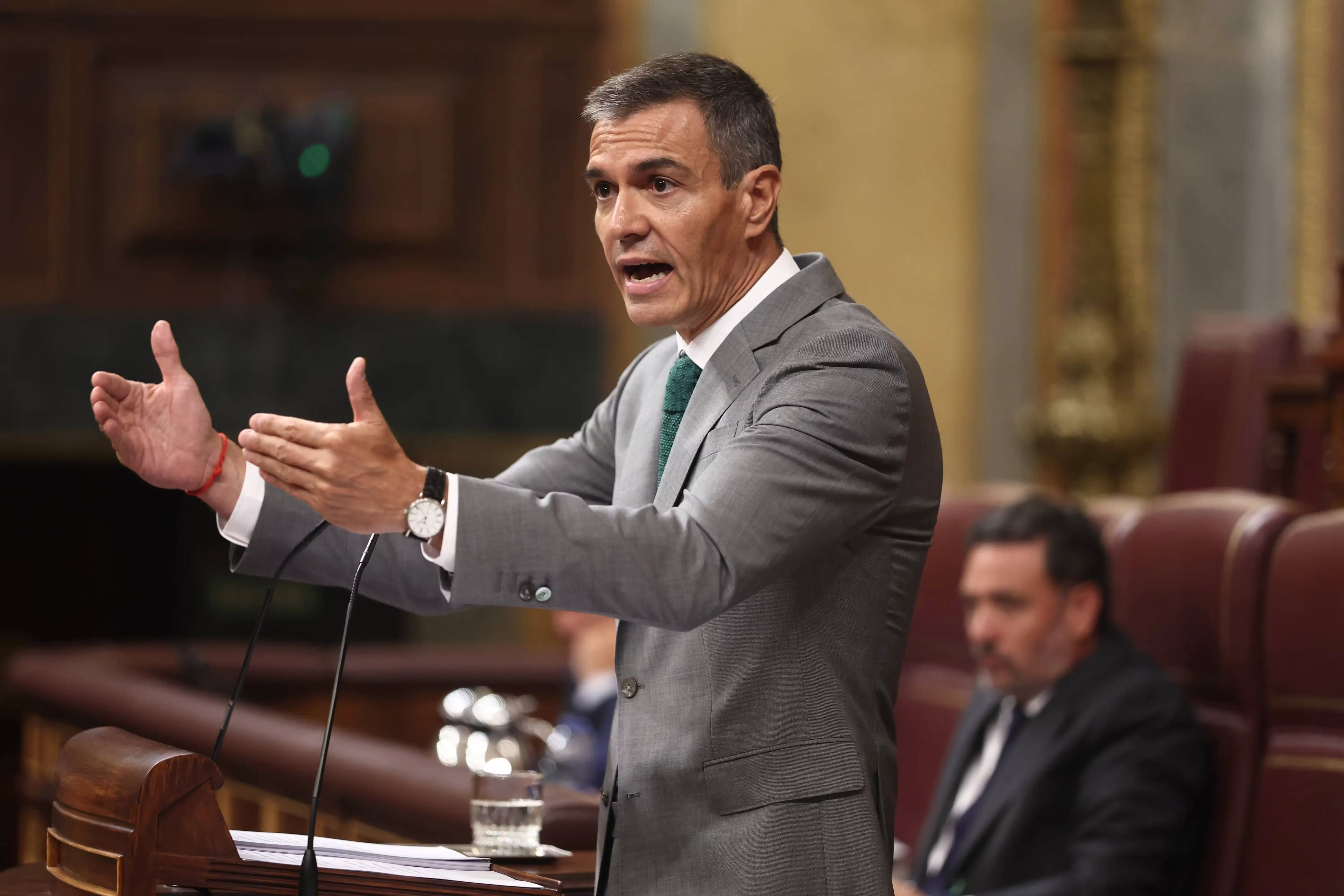
Despite the intelligence warnings, Sánchez has contested the notion that these alerts realistically predicted the scale of the influx. In a televised interview, he stated, "Without undermining the professionalism of the intelligence services, a mass arrival of so many migrants was definitely not foreseeable." Meanwhile, Miguel Ángel Pérez Triano, the government representative in Ceuta, characterized the WhatsApp messages from July 29 not as warnings but simply as an exchange of information. In stark contrast, the opposition, represented by Ester Muñoz of the People's Party (PP), criticized the government, asserting that they had the information and bore direct responsibility for the crisis and resultant fatalities.
Amid these internal political disputes, the European Commission has announced a financial package to assist Spain, pledging €115 million to address the migration crisis in Ceuta. This funding is expected to be allocated towards bolstering border security, ensuring humane accommodations for unaccompanied minors, and facilitating repatriations. José Manuel Albares, Spain's Foreign Minister, described the funding package as "fantastic" but emphasized that it is merely a first step, urging that Spain's southern border should receive equal attention as the eastern border. Furthermore, Albares indicated plans for Spain to request the incorporation of Ceuta and Melilla into the EU customs union, a move that was overlooked during Spain's accession to the EU in 1986.
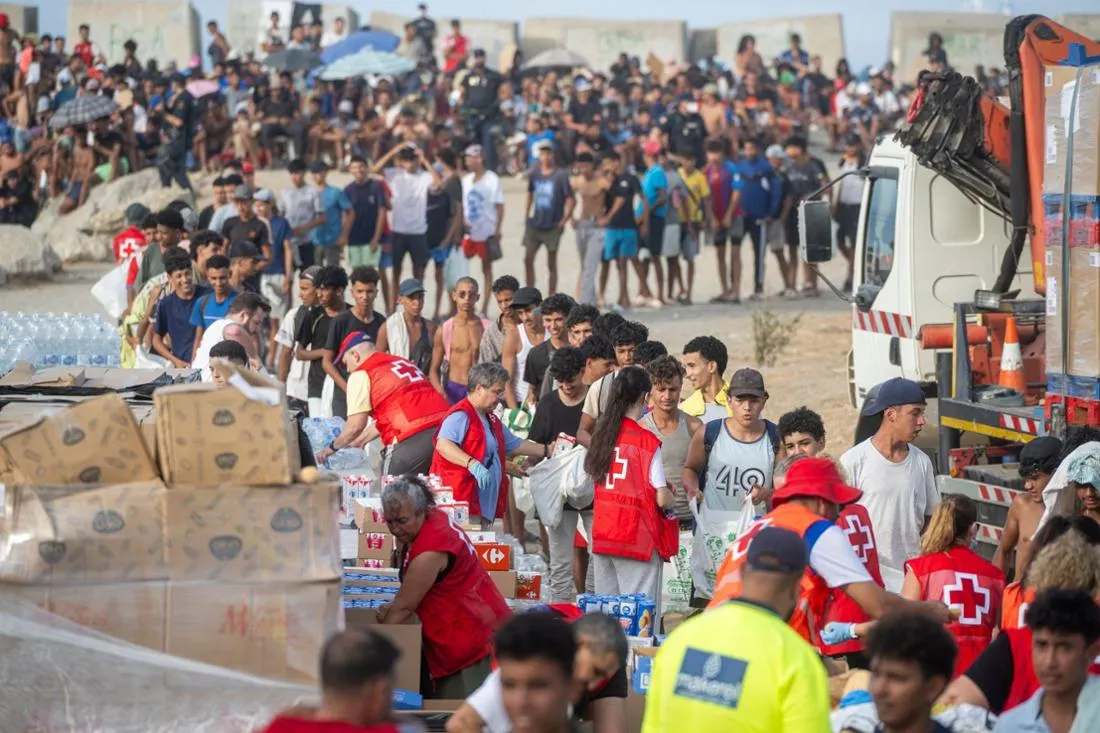
Currently, thousands of migrants remain in Ceuta, residing in makeshift camps along streets and beaches. Although many of those who arrived have returned to Morocco, local authorities estimate that between 5,000 and 10,000 individuals are still present in the enclave, as reported by Euronews.
As reported by merkur.de.