Political Uncertainty Surrounds Western Sahara
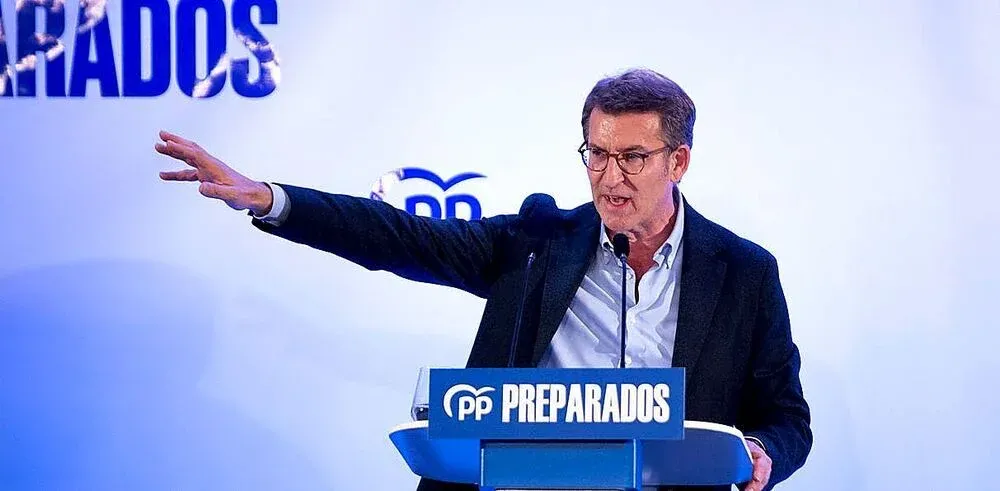
As Spain prepares for its upcoming legislative elections scheduled for the summer of 2027, the People's Party (PP), which currently holds sway in both chambers of Parliament, is reassessing its approach toward the contentious issue of Western Sahara. The party had previously endorsed Morocco's autonomy plan since March 2022, aimed at resolving the long-standing conflict in the region. However, with the potential shift in political power, the party's future stance remains uncertain, particularly if the right-wing factions regain control.
Party spokesperson Borja Sémper articulated the need for clarity regarding Prime Minister Pedro Sánchez's pro-Morocco pivot, indicating that the PP seeks to understand the motivations behind this shift before making any definitive political decisions. This sentiment has been echoed in various media outlets, including Sahrawi press, highlighting the delicate balance the PP must strike between maintaining relations with Morocco and addressing the concerns of the Sahrawi people.
The Dilemma of a Two-State Solution
In a recent statement, Sémper refrained from confirming whether the PP would consider endorsing a two-state solution for Western Sahara, emphasizing that any such decision should involve consultation with the Sahrawi people, rather than be imposed upon them. This stance reflects a broader concern within the party regarding the erosion of the consensus that once existed among Spain's political factions, including the Socialist Party and various leftist groups, over the handling of the Western Sahara issue.
The PP leader, Alberto Núñez Feijóo, previously committed to restoring a balanced approach among Algeria, the Sahrawi people, and Morocco during his campaign for the snap general elections held on July 23, 2023. However, this pledge faced significant hurdles during a subsequent vote, where lawmakers abstained from granting Spanish nationality to Sahrawis born before August 11, 1976, thereby sidelining the party's earlier commitments.
This complexity mirrors the historical approach of former PP leader Mariano Rajoy, who, after initially engaging with the Polisario Front during his opposition tenure, shifted toward prioritizing Spain's strategic interests with Morocco once in power. This pivot included facilitating high-level joint commission meetings between Morocco and Spain, straddling the line between diplomatic engagement and unresolved territorial disputes in Western Sahara.
The geopolitical landscape further complicates Spain's position, as the PP often attributes rising tensions with the United States to Sánchez's policies. Given that Washington has backed Morocco's autonomy plan since December 2020, any reconsideration of Spain's support could risk inciting a diplomatic backlash from the U.S., a scenario that conservative factions within Spain appear keen to avoid.
As reported by en.yabiladi.com.