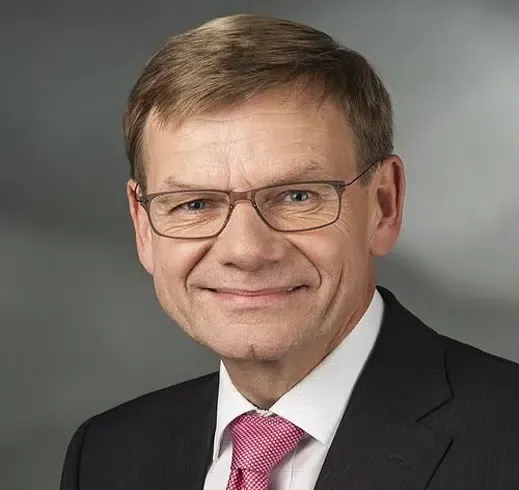

German Foreign Minister Johann Wadephul's Official Visit to Morocco
On Wednesday, April 29, 2026, German Foreign Minister Johann Wadephul (CDU) arrived in Rabat, the capital of Morocco, for a two-day official visit. This visit is part of the ongoing "Strategic Dialogue," held at the level of foreign ministers every two years. During his meeting with Moroccan counterpart Nasser Bourita, the focus will be on enhancing bilateral cooperation, which, according to the German Foreign Office, has seen positive developments, particularly in the economic sector, in recent years.
Economic Ties and Joint Interests
Accompanying Wadephul is a delegation of business leaders led by Parliamentary State Secretary Stefan Rouenhoff from the Federal Ministry for Economic Affairs and Climate Action (BMWK). Morocco's significance as a trade partner has steadily increased, making Germany one of the top five trading partners for the North African nation. Current statistics show that the trade balance between the two countries is relatively balanced, with German exports to Morocco amounting to approximately 3.9 billion euros and imports from Morocco reaching around 3.5 billion euros. A key pillar of this relationship is the automotive industry, which has flourished, with a leading German automotive supplier reportedly creating nearly 20,000 direct and indirect jobs locally. German small and medium-sized enterprises (SMEs) particularly value Morocco's political stability and regulatory transparency, positioning the country as a gateway to West and Central Africa.
Another critical issue on the agenda remains the status of Western Sahara. The German government maintains a nuanced position regarding this matter. On April 27, 2026, Kathrin Deschauer, a spokesperson for the Foreign Office, emphasized that the status of Western Sahara remains legally unresolved and that a negotiation process under the auspices of the United Nations (UN) must lay the groundwork for a lasting solution. Berlin has reiterated the assessment made in 2024 by then-Foreign Minister Annalena Baerbock, stating that the autonomy plan presented by Morocco provides a "good foundation and very solid basis" for conflict resolution. This recognition of Morocco's efforts is seen as a significant factor contributing to the current stability in bilateral relations. When questioned about the exploitation of resources in the region, the Foreign Office maintained a cautious stance, highlighting ongoing dialogue as a sign of diplomatic prudence.
In addition to bilateral topics, regional conflicts are also coming into focus. The situation in the Sahel region, particularly in Mali, has raised concerns within German diplomacy. Following reports of coordinated attacks over the past weekend, the Foreign Office described the security situation as volatile. In this context, Morocco is viewed by Berlin as an "indispensable bridge between Europe and Africa" and a stabilizing anchor. Discussions on the security architecture in North and West Africa are therefore a fixed part of the agenda to explore joint strategies against the spread of terrorist instability.
Beyond hard political and economic facts, Ambassador Robert Dölger emphasized in an interview that the relationship is significantly shaped by human connections, as evidenced by the education of high-ranking members of the Moroccan government, such as Minister Karim Zidane, who trained in Germany. Cooperation in education and the mobility of skilled workers are central themes, also touching on migration policies. While the federal government aims to continue existing migration agreements for the return of individuals required to leave, there is simultaneously an interest in attracting qualified Moroccan professionals to the German labor market. Germany enjoys a high reputation among young students due to its dual education system, which fosters cultural rapprochement between the two countries despite geographical distances.
Johann Wadephul's two-day visit thus underscores both nations' commitment not only to manage the existing partnership but also to strategically expand it in light of global upheavals within a multilateral system grounded in international law and free trade.
As reported by maghreb-post.de.