Enhancing Economic Relations Through Zero-Tariff Policies
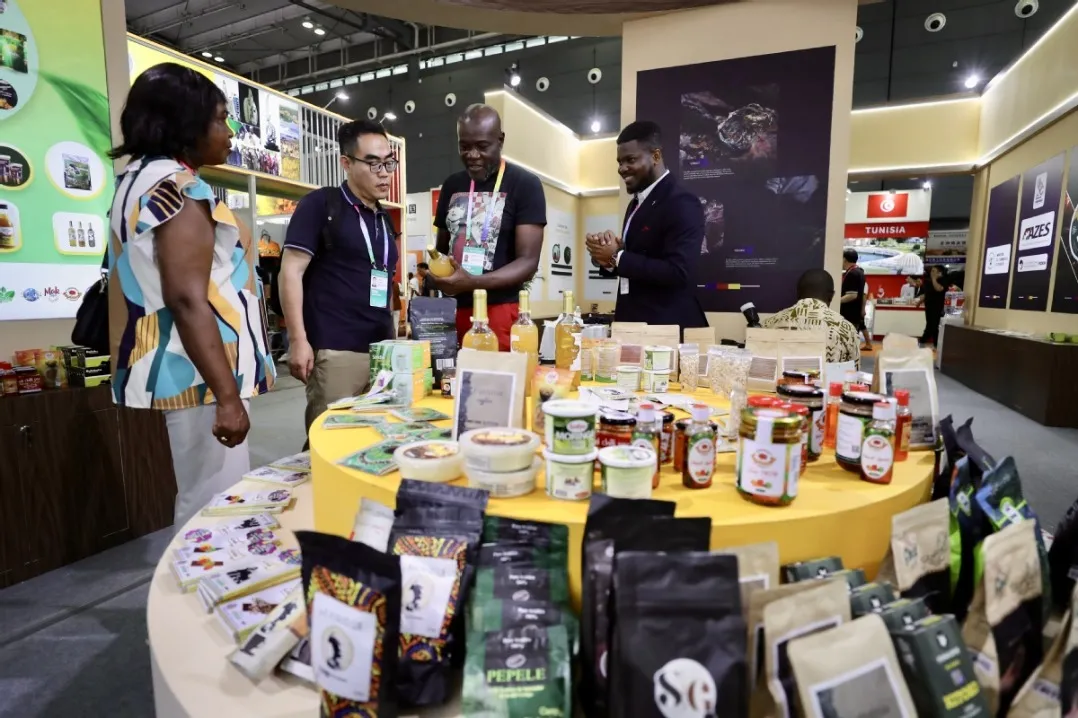
The recent Morocco session of the China-Africa Economic and Trade Expo (CAETE) is poised to significantly strengthen the economic relationship between China and Morocco. This event, which is taking place in Casablanca, is a pivotal opportunity for both nations as China's implementation of a zero-tariff policy for African countries facilitates increased trade, investment, and supply-chain integration. Jointly orchestrated by the CAETE Secretariat and Morocco's Ministry of Industry and Trade, this expo marks the first significant economic and trade event organized by Central China's Hunan province in Africa since the recent policy's adoption, which benefits the 53 African nations with which China has diplomatic relations.
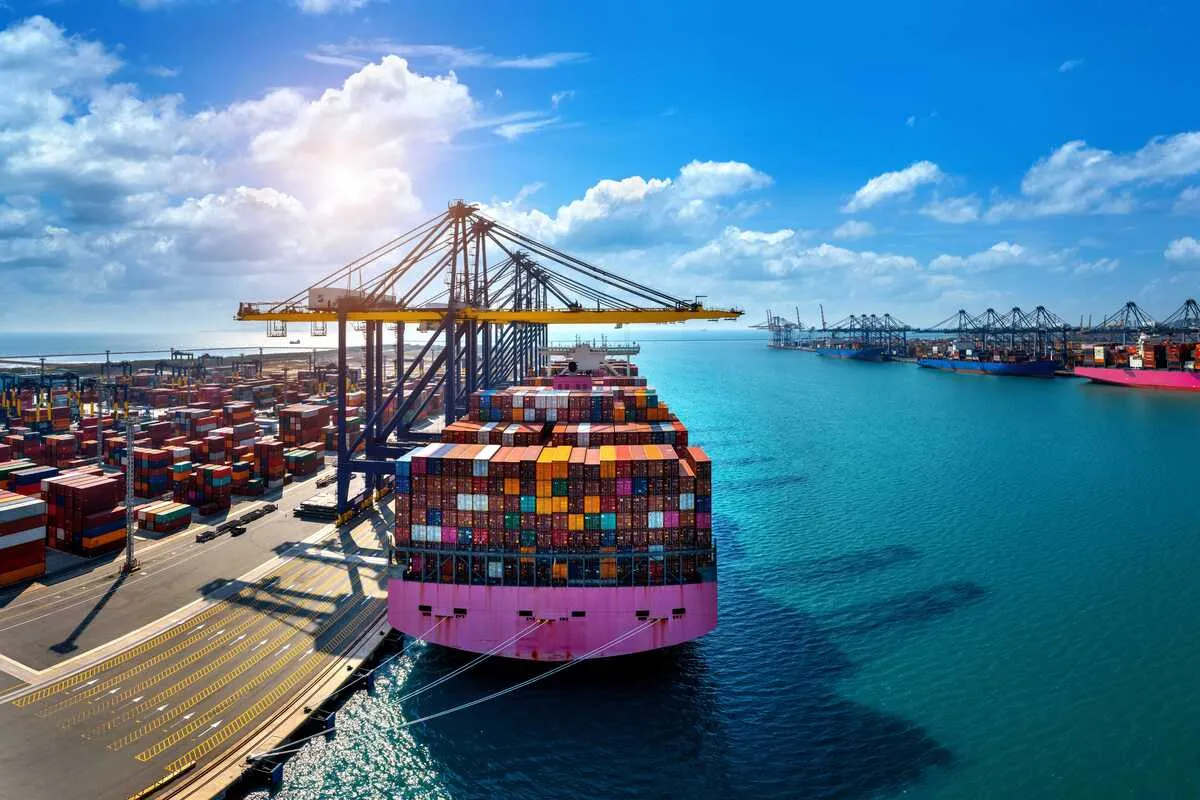
Analysts and industry leaders are optimistic that this zero-tariff initiative will not only bolster bilateral trade but also enhance market access for African products in China. Nasser Bouchiba, the president of the Africa China Cooperation Association for Development based in Morocco, emphasized that this event is timely, allowing premium Moroccan goods to penetrate China's extensive consumer market while enabling Chinese firms to forge a stronger presence in North Africa. The statistics support this optimism; in 2025, trade between China and Morocco reached $10.96 billion, a notable increase from $9.04 billion in 2024. China's exports to Morocco accounted for $9.88 billion, while imports from Morocco were recorded at $1.08 billion. This dynamic illustrates China's role as Morocco's largest trading partner in Asia and its third-largest globally.
Fostering Industrial Cooperation and Sustainable Development
The CAETE's Morocco session also highlights the ongoing shift in Sino-Moroccan relations towards deeper industrial collaboration and supply-chain integration. Hunan province has emerged as a proactive player in establishing economic ties with Africa, as noted by Yang Yi, general manager of Hunan Yufei Industry Investment Co Ltd. Preparations for this session have involved months of coordinated efforts between Chinese and Moroccan enterprises, with a focus on promoting Moroccan specialty products such as argan oil through innovative branding strategies.
In addition to trade, the partnership is increasingly focused on leveraging Morocco's rich natural resources for industrial development. A striking example is the Mohammed VI Tangier Tech City, which has already signed agreements with 42 companies, including 34 from China, with an expected investment of approximately $3.5 billion. This collaboration includes the establishment of projects by Chinese firms like BTR New Material Group, which is set to manufacture lithium battery materials and create over 1,100 skilled jobs. Furthermore, Morocco’s status as the leading exporter of phosphate and its abundant cobalt and lithium reserves are pivotal in developing new energy supply chains that connect Moroccan resources with Chinese processing capabilities and European markets.
Moreover, financial institutions, including the Agricultural Bank of China's Hunan branch, are enhancing cross-border financial support, which is crucial for the growth of Chinese enterprises operating within Morocco. Green growth initiatives are becoming a cornerstone of Sino-Moroccan cooperation, as highlighted by Moroccan business leader Imad Toumi, CEO of the Managem group, who pointed out several collaborative projects focused on sustainable development, such as a battery-grade cobalt sulfate project and a seawater desalination initiative.
As 2026 approaches, marking the 10th anniversary of the China-Morocco strategic partnership, the economic, cultural, and academic exchanges between the two nations are anticipated to reach new heights, signifying a commitment to higher-quality and sustainable development. As reported by global.chinadaily.com.cn.