Morocco's Vital Role in Regional Stability and Economic Growth
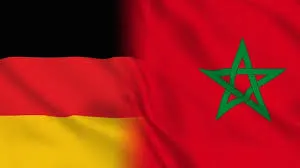
In an era where global crises seem to unfold rapidly, the importance of strong partnerships cannot be overstated. Morocco stands out as a crucial ally in both the Middle East conflict and the Sahel crisis, thanks to its established channels of communication. Furthermore, Morocco has emerged as Germany's second largest trading partner across the African continent, a relationship that holds immense potential for further exploration. This ongoing strategic dialogue between the two nations not only underscores their commitment to security and stability but also highlights their mutual adherence to a rules-based international order, with the United Nations at its center.
With diplomatic relations that have flourished over the past 70 years, Germany and Morocco are eager to enhance and expand their partnership. To facilitate this, Foreign Minister Wadephul is set to engage in a strategic dialogue with his Moroccan counterpart, Nasser Bourita. This dialogue, which occurs biennially in either Germany or Morocco, will take place in the vibrant capital of Rabat this time.
Collaborating on Global and Regional Challenges
Prior to his departure, Foreign Minister Wadephul expressed his anticipation for the discussions that will cover a multitude of international issues. Notably, Morocco has expressed its willingness to assist in the implementation of the 20-point plan for Gaza and to participate in an international security force, testifying to its stabilizing role in the region—a role that Germany deeply values. Both nations share the common goal of bringing stability to the Sahel region to combat the underlying causes of crises and displacement. Beyond its role in regional security, Morocco has established itself as an economic powerhouse, with over 300 German companies already investing in the country. The nation's youthful and highly skilled workforce offers a competitive edge, particularly in advanced sectors such as automotive and aviation. Foreign Minister Wadephul plans to visit an automotive supplier to explore how the two countries can further leverage their economic relations.
Currently, Morocco ranks as Germany's second-largest trading partner in Africa, with vast potential for growth in areas like renewable energy, critical raw materials, and hydrogen. Additionally, skilled Moroccan workers significantly contribute to Germany’s health and care sectors, further solidifying the economic ties between the two nations. The strategic dialogue will also address key issues such as skilled immigration, migration policies, and collaborative efforts to combat transnational organized crime and terrorism.
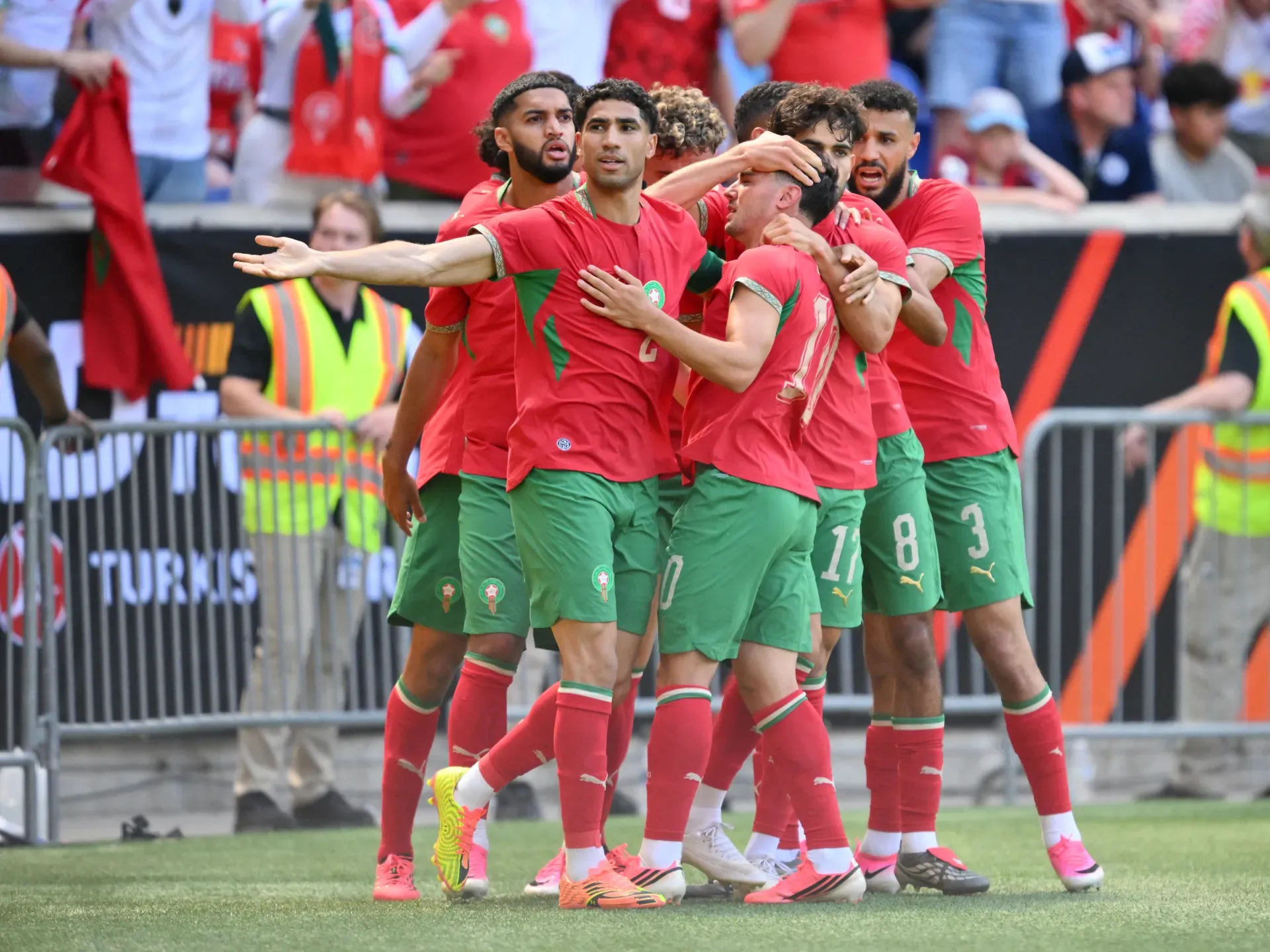
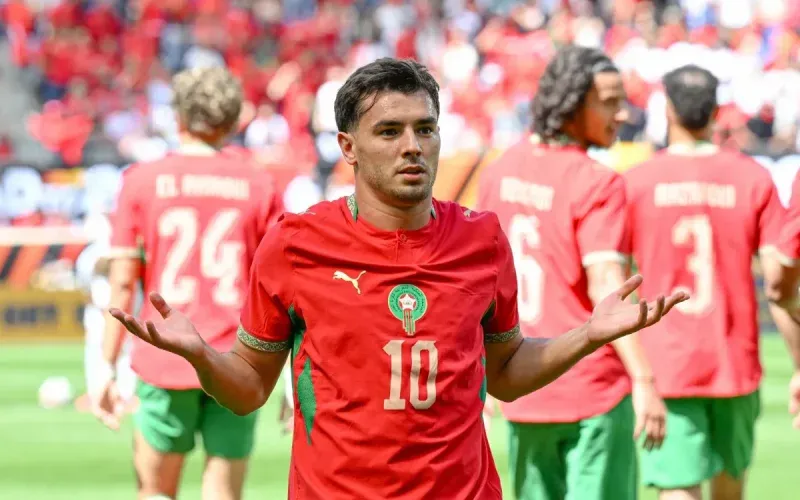
Lastly, the visit will celebrate the shared passion for football, as the Moroccan enthusiasm for the sport mirrors that of Germany. With the anticipation rising for the 2030 World Cup, which Morocco will co-host alongside Portugal and Spain, Foreign Minister Wadephul will visit a training center dedicated to nurturing young football talents, accompanied by sports ambassador Karim Bellarabi, who embodies the strong connections between the two countries. As Foreign Minister Wadephul noted, Morocco serves as an essential bridge between Europe and Africa, paving the way for future collaborations.
As reported by auswaertiges-amt.de.