
Morocco-U.S. Relations: A Deepening Strategic Partnership
As the Moroccan national team prepares for the 2026 World Cup in the United States, the strengthening ties between Rabat and Washington underscore a robust strategic partnership that has developed significantly in recent years. From the U.S. recognition of Moroccan sovereignty over the Sahara to evolving geopolitical landscapes in the Middle East, the relationship between these two nations has become pivotal in both regional and international balances. This partnership is characterized by cooperative efforts in various sectors, including security, military exercises, intelligence sharing, and diplomatic endeavors aimed at fostering stability across North Africa and the Middle East.
In December 2020, then President Donald Trump made a landmark decision to recognize Morocco’s sovereignty over the Sahara, a move that marked a significant turning point in bilateral relations. This recognition was not a fleeting gesture of a departing administration; it was reaffirmed by President Biden, indicating a commitment to a long-term strategic alliance. According to political scientist and geopolitical researcher Sébastien Boussois, this shift in U.S. policy has greatly benefitted Morocco, accelerating an already ongoing international dynamic. As the United States sought less restrictive solutions amidst a perceived marginalization of the United Nations, Morocco’s strategic positioning became more pronounced, particularly in light of its neighboring regime's growing ties with Russia, especially after sanctions were imposed in 2022.
Strategic Alliances and Regional Stability
For over two decades, Morocco and the United States have worked closely together, particularly following the September 11 attacks, which bolstered cooperation in counter-terrorism efforts. Economically, the free trade agreement established in January 2006 eliminated tariffs on more than 95% of goods exchanged between the two nations, further solidifying their partnership. Morocco's long-term strategy in the region, coupled with U.S. recognition, has catalyzed a surge in foreign investment and reinforced Morocco's alliances across Africa. This evolving partnership has seen the Moroccan autonomy plan gain traction, positioning the country as a key player in regional stability.
The recent U.S. repositioning in North African affairs has yielded tangible effects on Morocco's relations with its Western partners. The U.S. has removed ambiguity regarding its stance on the Sahara issue, now viewing Morocco’s autonomy plan as the only viable solution. This clarity has had a ripple effect, influencing other capitals, including those in Europe, and stabilizing positions within the United Nations Security Council. The changing dynamics compel cautious international actors to reassess their positions, underpinned by a more pragmatic interpretation of the situation. Should the Trump administration return in January 2025, this momentum is likely to continue strengthening.
Morocco's stability and its enhanced cooperation with the European Union across various domains—military, migration, and security—have transformed its perception among international partners. The Kingdom is now regarded as a strategic ally for the United States, particularly in a region fraught with tensions from the Sahel to the Atlantic and the Mediterranean. Even traditional allies of the Polisario Front and Algeria, such as Russia and China, opted for abstention during the vote on resolution 2797, further illustrating the shift in support dynamics.
According to Boussois, the recent resolution represents a significant shift, though it remains anchored in the compromise logic inherent to the United Nations. The U.S. plays a central role in the UN Mission for the Referendum in Western Sahara (MINURSO), crafting initial drafts and guiding negotiations, thereby acting as a guarantor of the process.
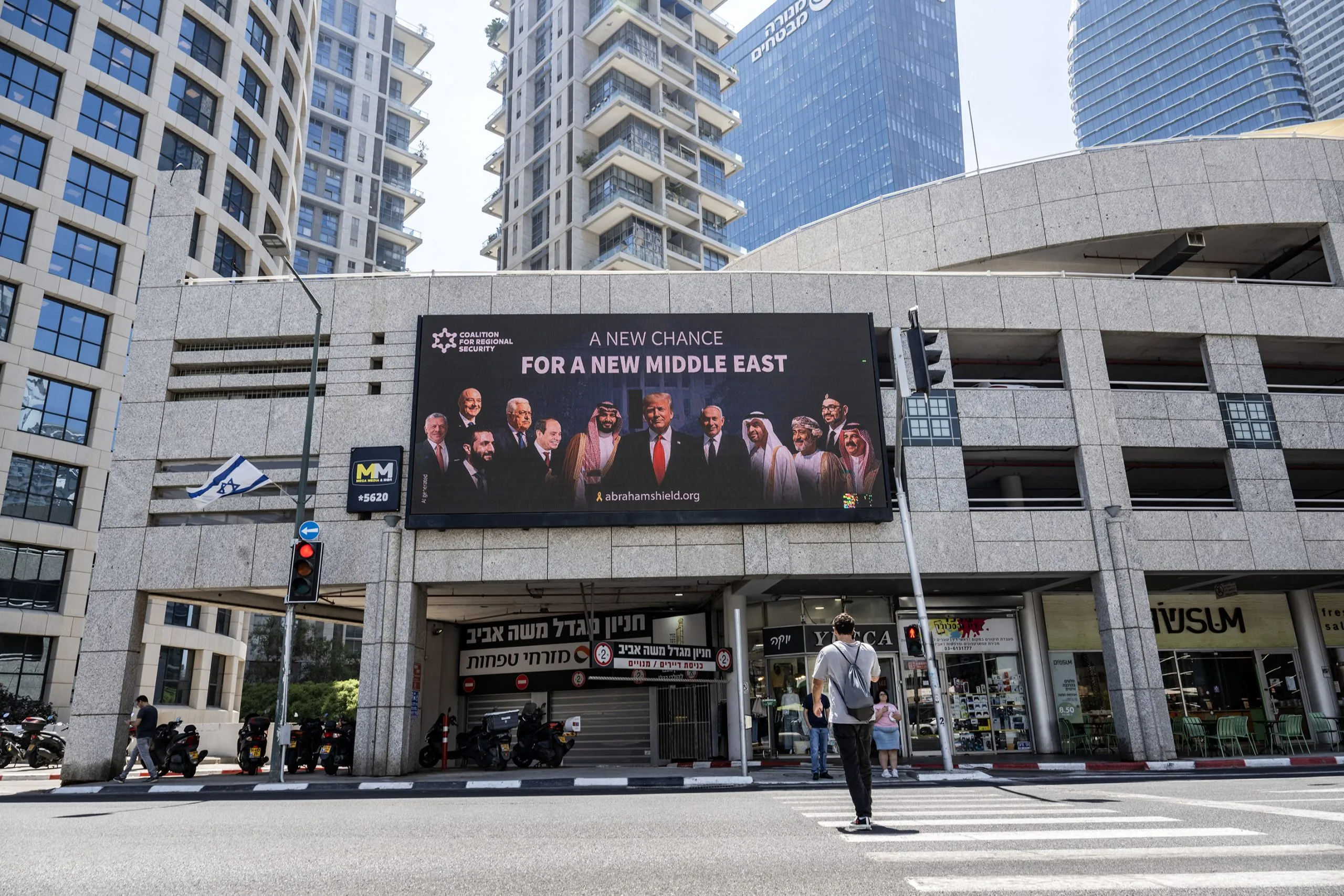
The Abraham Accords signed in 2020 have also contributed to redefining American perspectives on the Middle East, elevating Morocco's status as a vital partner in U.S. security frameworks. This relationship is characterized by aligned interests, where the U.S. consolidates a stable ally in the Arab world, while Morocco receives crucial political recognition of its territorial integrity. However, unlike some other signatories, Morocco has maintained its ties to the Arab world, exemplified by its presidency of the Al-Quds Committee and its consistent advocacy for a two-state solution.
This strategic approach, which prioritizes decision-making autonomy over ideological alignment, has established Morocco as a reliable and rational actor in the evolving international security landscape. The country’s enduring diplomatic relations, exemplified by the establishment of the Peace Council on January 20, where Morocco is a founding member, further solidify these bonds. Historical ties date back to the 1943 meeting between Sultan Mohammed V and President Franklin D. Roosevelt, highlighting a long-standing diplomatic tradition that continues to flourish today.
As Morocco's participation in the upcoming World Cup amplifies the visibility of these relations, it embodies a broader diplomatic, economic, and strategic rapprochement between Rabat and Washington, reflecting a partnership poised for future growth and collaboration.
As reported by lecourrierdelatlas.com.