Preparing for the 2030 World Cup: A Tense Landscape
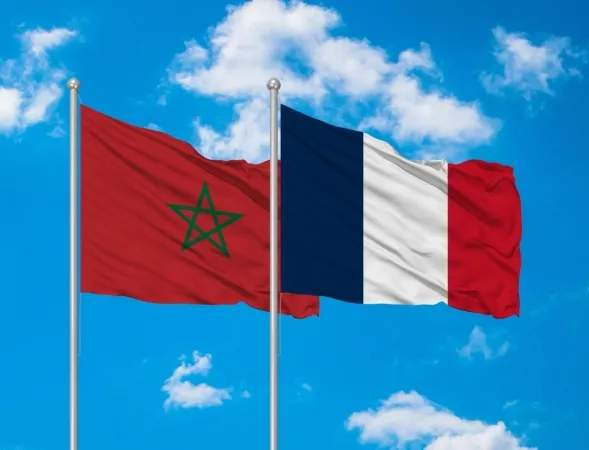
The countdown to the 2030 FIFA World Cup, which is set to take place across Spain, Portugal, and Morocco, is already stirring tensions within the football community and beyond. Recent discussions have reignited memories of past encounters between Spain and Morocco, particularly focusing on Morocco's ambitions to solidify its position with FIFA while also enhancing the performance of its national team, the 'Atlas Lions', by integrating European-linked players. The last official match between these two nations occurred during the Qatar World Cup, where Spain, under the management of Luis Enrique, faced elimination in the Round of 16 after a dramatic penalty shootout.
Despite maintaining cordial relations at the federation level, largely due to their collaborative efforts in organizing the upcoming World Cup, there are underlying concerns about potential power struggles and escalating social tensions that could affect fan interactions. Recently, Morocco leveraged the African Cup of Nations as a preparatory event for the World Cup, showcasing its modern infrastructure designed to accommodate teams and fans alike. However, the organization faced scrutiny over logistical issues, including transportation and training facilities, with accusations suggesting that the arrangements favored host teams.
Morocco's Ambitious Plans and Institutional Dynamics
In the realm of sports and organization, the Moroccan Football Federation aspires to host the World Cup final on its soil, specifically at the still-under-construction Hassan II Stadium in Casablanca. Furthermore, one of the semifinals is expected to take place at the Moulay Abdellah Stadium in Rabat, which previously hosted the African Cup of Nations final. While the complete list of venues remains unconfirmed, if FIFA's plans come to fruition, Morocco will host matches in six stadiums, while Spain is set to be the primary host with eleven venues and Portugal concentrating its games in three locations.
The Moroccan initiative to modernize its stadiums has sparked public debate, with criticisms emerging regarding the management of stray animals and protests from youth sectors against the budget allocated for stadium improvements. Critics argue that funds should prioritize essential services for the populace. Beyond stadium enhancements, Morocco is executing a strategic plan to recruit players born abroad who are eligible to represent the national team, leveraging the talent within its diaspora across Europe. Notably, there is interest in 18-year-old Thiago Bitar, currently with Real Madrid, although he reportedly favors representing Spain.
The Moroccan strategy encompasses various player profiles, including Ismail Saibari, born in Spain and later moving to Belgium, as well as Ilyas Akhomach, who played in youth categories for Spain before opting to represent Morocco in 2023. Recent developments indicate an additional push from the federation, announcing the naturalization of six players under 20 years of age from Belgium, including the promising Ryan Bonida.
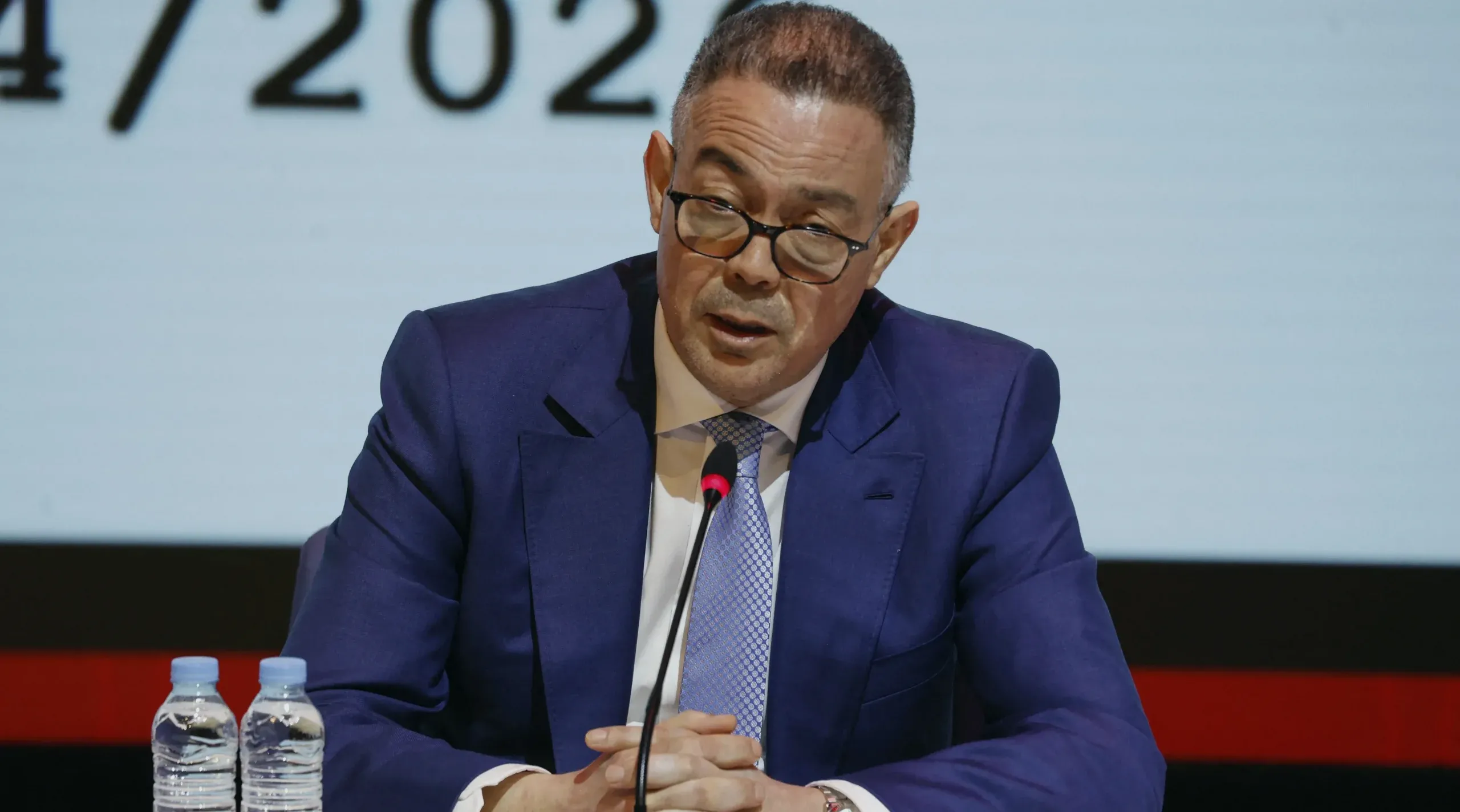
Moreover, the relationship between FIFA and the African Football Confederation (CAF) plays a crucial role in Morocco's aspirations. CAF, led by South African billionaire Patrice Motsepe, maintains close ties with FIFA's Gianni Infantino, with Motsepe also serving as FIFA's vice president. CAF, comprising 54 member associations, wields significant influence in key decision-making processes. Moroccan institutional prominence is bolstered by figures like Fawzi Lekjaâ, the President of the Moroccan Football Federation, who serves as CAF's first vice president and a FIFA Council member, further appointed by King Mohammed VI to lead the committee for the World Cup 2030.
Infantino, prior to the FIFA Council elections, emphasized the necessity for collaborative efforts among all members to ensure that a 'united Africa' can have a real impact on FIFA and global football. Within this context, Morocco's influence on the African football calendar has been highlighted, including the controversial decision by CAF to declare Morocco the winner of the African Cup of Nations, two months after Senegal had claimed the title. Strategically, this alliance with FIFA is seen as a pillar for Morocco to achieve its goals in organizing major tournaments, particularly the ambition to host the African Cup of Nations final.
Morocco's bid is not limited to the 2030 World Cup, as it also seeks to host the 2029 Club World Cup independently following the recent success of its organization. While FIFA has yet to make a final decision, Morocco aims to demonstrate its capability to manage large-scale events independently, despite competition from other nations vying for the opportunity.
As reported by redamazonica.org.