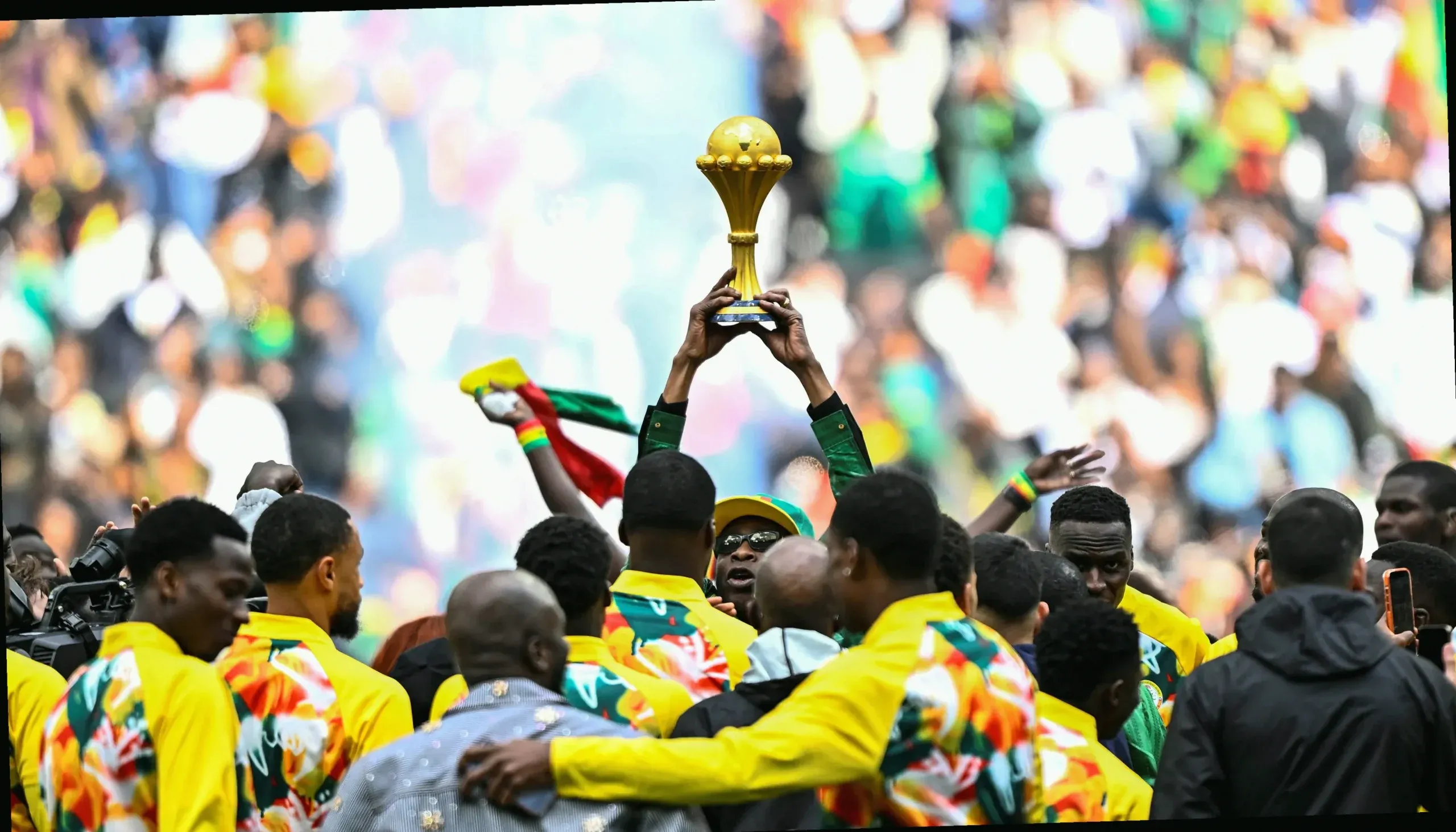
The ongoing dispute over the 2025 Africa Cup of Nations (AFCON) between Morocco and Senegal has escalated into a critical phase this week, marked by heightened legal and diplomatic tensions. As the President of the Confederation of African Football (CAF), Patrice Motsepe, intensifies efforts to mitigate the conflict and safeguard the reputation of African football, the judicial calendar has become a crucial gauge of a struggle that has already spilled beyond the confines of the playing field. The controversy ignited on March 17, when the African Union stripped Senegal of the title and awarded it to Morocco. This decision stemmed from a central argument suggesting that Senegal's national team, known as 'The Lions of Teranga,' briefly left the pitch during the final match, leading to their disqualification.
The Senegalese Football Federation has vocally criticized this ruling as "unjust and illogical," asserting that Senegal remains the rightful African champion. They are calling for an urgent resolution, particularly with the upcoming 2026 World Cup on the horizon. In response, the Senegalese federation is preparing to file an appeal with the Court of Arbitration for Sport (CAS). Concurrently, attention is also focused on Rabat, where hearings concerning detained Senegalese fans are expected to commence, adding further complexity to the ongoing conflict. The simultaneous nature of these processes—one within the realm of sports arbitration and the other within local jurisdiction—illustrates the multifaceted dimensions of the crisis, intertwining sports, politics, and legal proceedings.
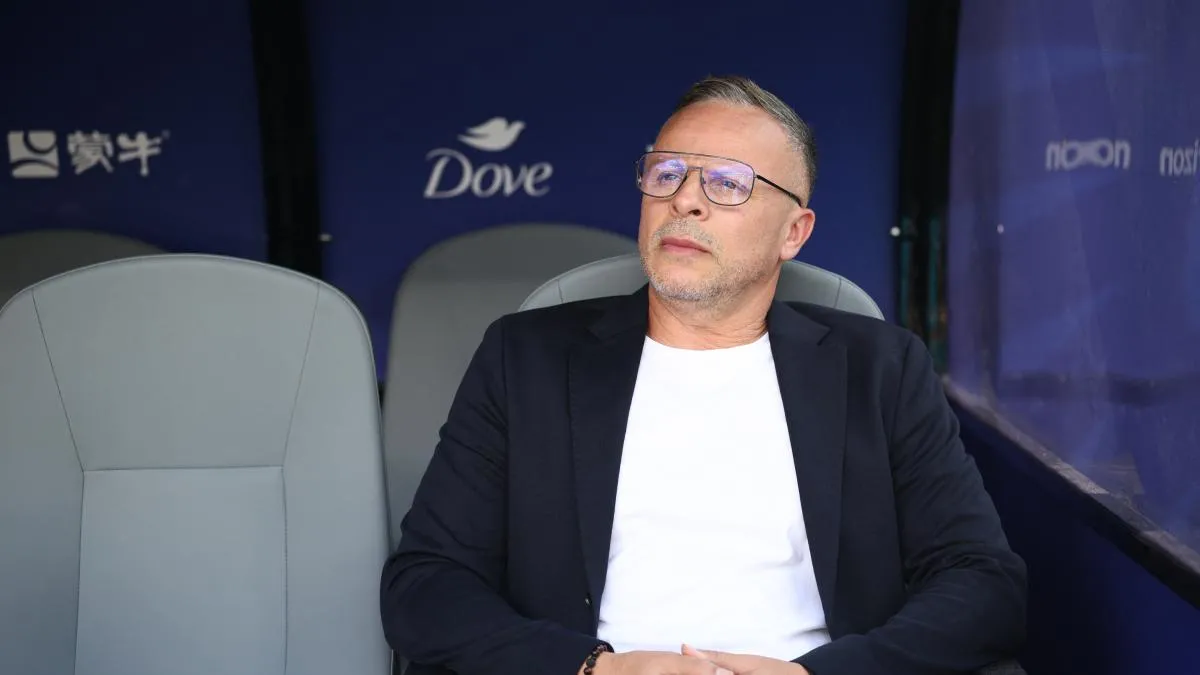
As the situation grows increasingly institutionalized, Patrice Motsepe has escalated his containment strategy. After a meeting with Senegalese President Bassirou Diomaye Faye in Dakar, Motsepe traveled to Rabat on what many are calling a mission to "rescue" the credibility of African football. He emphasized the CAF's commitment to "protect the integrity of the game across the continent" and hinted at potential revisions to tournament regulations in light of the controversies surrounding the final, aiming to close loopholes that might lead to future disputes. According to him, "sanctions should serve as a deterrent, but we also need to strengthen regulations to ensure justice and transparency."
Moreover, Motsepe dismissed claims of "unfounded" accusations regarding alleged corruption linked to the Senegalese Federation, stressing the importance of maintaining the prestige of the 54 member associations and preventing the discourse from devolving into unsupported narratives. While diplomatic negotiations continue, Rabat marks another crucial date in the judicial calendar: the trial of 18 Senegalese fans detained following the AFCON final is scheduled to resume this week, with the Rabat Court of Appeals ready to hear the case on Monday. Initially, those involved received sentences ranging from three months to one year in prison for incidents related to disturbances and violence at a sporting event.
The process is under intense public scrutiny, with media and diplomatic components providing a backdrop to the situation. The outcome is perceived as a further test for bilateral relations between the two countries. The Moroccan National Human Rights Council has reported that it is monitoring the situation to ensure transparency and respect for the fundamental rights of the detainees. Their representatives have attended the hearings, reviewed case files, and visited the accused in the Al-Arjat prison. During these visits, it was noted that there was no presence of prison staff, and the defendants did not report specific violations of their rights.
The Council emphasized its role in safeguarding the presumption of innocence, ensuring public access to hearings, and allowing full participation from the defense. Notably, the Royal Moroccan Football Federation is not involved in the judicial proceedings, meaning it is neither acting as a prosecutor nor a civil claimant, thus keeping the case strictly within the Moroccan judicial system without the intervention of official sporting bodies. With sports arbitration and local justice progressing in parallel, African football awaits crucial answers in a week that could represent a turning point. The central question remains whether the CAF's diplomatic intervention will quell the turmoil or if the 2025 Africa Cup of Nations will continue to symbolize a deeper crisis facing African sports in recent times.
As reported by redamazonica.org.