
The Lack of Historical Drama in Moroccan Television
The Moroccan artistic scene is currently grappling with a significant absence of historical drama, which poses a challenge for audiences seeking to establish a meaningful aesthetic connection between the past and the present. This deficiency illustrates the artistic drought that permeates television programming, highlighting its inability to forge innovative visual projects capable of creating a distinct artistic horizon within dramatic series. This issue is particularly striking for a country like Morocco, which boasts a rich and ancient history reflected in its archaeological and architectural landmarks that depict the diverse nations and civilizations that have shaped its narrative over the centuries.
Reasons Behind the Marginalization of Historical Narratives
The question of why historical drama is underrepresented in Morocco raises fundamental inquiries regarding the underlying causes of this marginalization, which leads to a repetitive cycle of themes without meaningful renewal. Is this due to a lack of financial resources that keeps production companies from investing in historical narratives? Or does it stem from a fragile creative structure that hinders many screenwriters from crafting historical dramas, given the intricate artistic approach and extensive research required to authentically portray Moroccan civilization? Such questions have become recurrent year after year, especially during the month of Ramadan, when viewers are bombarded with a plethora of dramatic works that engage with contemporary issues through various visual interpretations, while the alarming absence of historical series that celebrate and honor Morocco's collective memory remains conspicuous.
Despite this scarcity, many Moroccan actors have excelled in portraying historical roles within Arab historical dramas. For instance, actor Rabie Kati received acclaim for his role as Suleiman Pasha al-Baruni in the Libyan series "The Two Leaders" (2020), directed by Osama Rizk. The complexity of this character, combining psychological, social, and political dimensions, demanded an in-depth exploration of historical sources, a task that requires considerable time and effort in research and writing. This need for thorough documentation often deters screenwriters and directors from engaging with historical drama, as it demands a level of commitment that many are unwilling to invest.
Moreover, the presence of seasoned actors like Mohamed Miftah, a cornerstone of historical drama in the Arab world, illustrates the potential for depth in this genre. His notable performances in significant works such as "The Message" (1976), "The Falcon of Quraish" (2002), and others underscore the rich legacy of historical storytelling that could be further explored in Moroccan cinema. Yet, the current portrayal of historical dramas often lacks the necessary depth and understanding, often relegating them to mere representations of cultural nostalgia rather than engaging narratives that genuinely reflect Morocco's historical complexities.
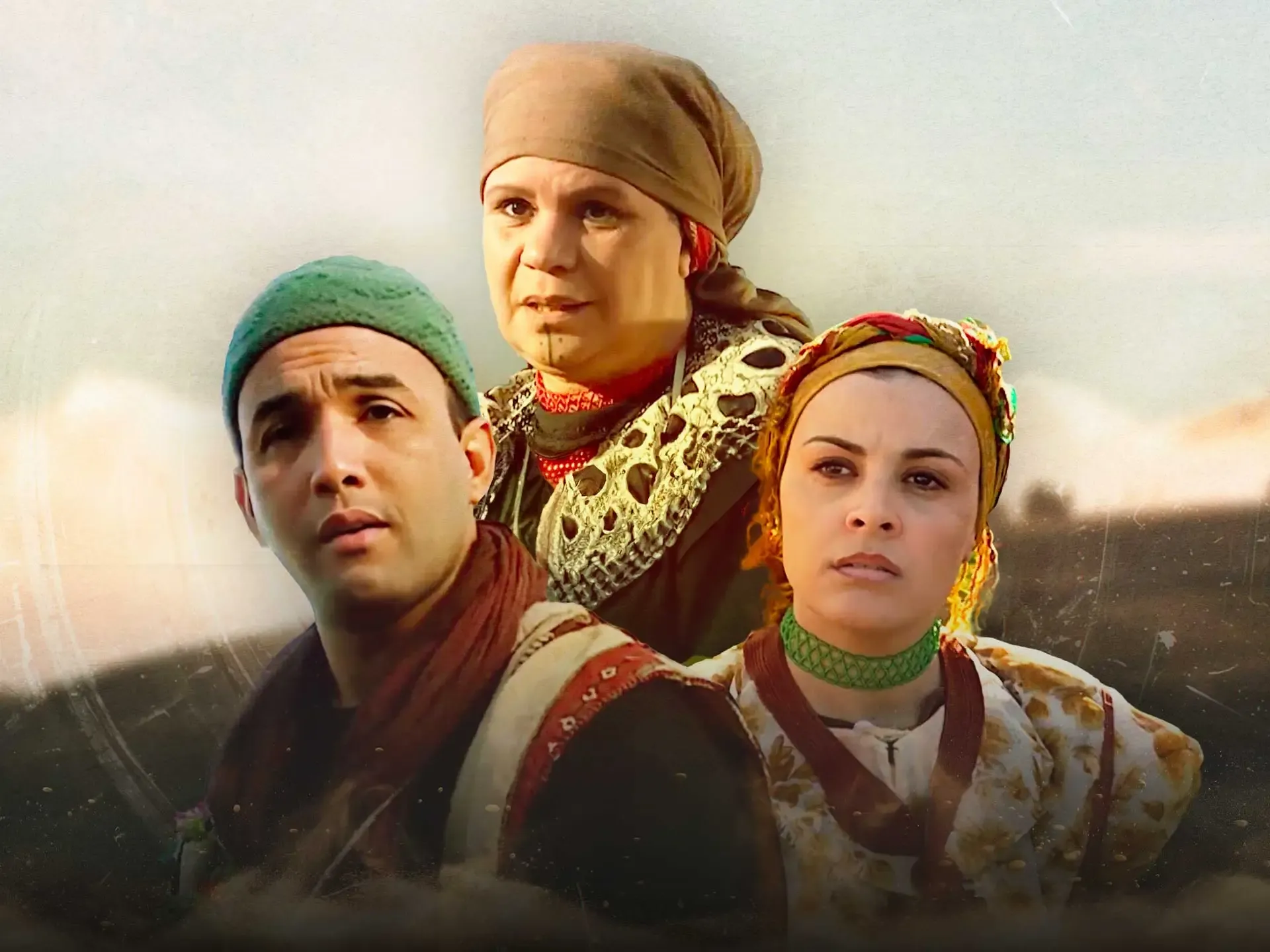
The aesthetics of Moroccan productions categorized as "historical drama" reveal a troubling similarity in their interpretation of the genre. These works often present the past through superficial elements such as costumes, decorations, and dialogue, yet they fail to embody a profound understanding of historical narrative. This results in a lightweight approach to historical events, where the essence of time and place becomes merely decorative rather than integral to the storytelling process. The historical screen of Morocco is thus divided into two main categories: one that draws inspiration from folklore and cultural heritage, and another that attempts to depict historical events but lacks the accuracy and depth essential for true historical representation.
In conclusion, while the successful Turkish dramas often treat historical events as frameworks for narrative creativity rather than strict adherence to historical accuracy, Moroccan productions tend to shy away from this exploratory approach. The emphasis should shift towards uncovering the hidden narratives that have shaped the collective memory of Moroccan society, allowing for a more nuanced and diverse representation of its history on screen. By focusing on marginalized voices and the social aspects of history, Moroccan television could create a unique and compelling drama that transcends the limitations of current programming.
As reported by aljazeera.net.