
Ongoing Tensions Following the Africa Cup of Nations Final
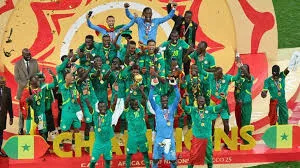
Three months have passed since the Africa Cup of Nations (AFCON) final between Morocco and Senegal, yet the controversy surrounding the match remains unresolved and poses a threat to the long-standing relations between the two nations. While Rabat insists on confining the debate to the realm of sports, Dakar believes that the implications extend far beyond the football pitch. The final, held on January 18 in Rabat, witnessed Senegal temporarily leaving the field in protest against a penalty awarded to Morocco in the dying minutes of the game. After a brief pause, the Senegalese players returned, but Moroccan player Brahim Díaz missed the penalty kick. In the subsequent extra time, Senegal emerged victorious with a score of 1-0.
In the aftermath of the match, Rabat submitted an appeal, leading the Confederation of African Football (CAF) Appeals Committee to rule that Senegal's withdrawal from the match warranted a 3-0 victory for Morocco. Morocco celebrated this decision, asserting that their intent was not to question the teams' performances but rather to demand adherence to the rules. Conversely, Senegal decried the ruling as "the most blatant and unprecedented administrative theft" and filed an appeal with the Court of Arbitration for Sport (CAS) on March 25, with a verdict expected in July.
Broader Implications and Historical Relations
Senegal has called for an international investigation due to suspicions of corruption within the CAF, and the national team even celebrated their title in France despite its revocation. Instead of subsiding, the controversy has intensified, with accusations from Senegal regarding preferential treatment by the CAF towards Morocco. Senegalese officials insinuate that there are undue influences at play, claims that Rabat dismisses, attributing the decision to the proper application of regulations while lamenting the spread of a narrative that appears biased in favor of Senegal. A Moroccan media outlet, Le360, expressed concerns about the prevalence of a pro-Senegal narrative filled with selective indignation and overflowing emotions that verge on victimhood.
The allegations of favoritism were central to the questions posed to CAF President Patrice Motsepe during his recent visit to Morocco, following a trip to Senegal that many interpreted as an attempt to ease tensions. Motsepe urged all parties to move past the AFCON final and encouraged those with evidence of favoritism to seek legal redress. Beyond the sporting context, there is an ongoing debate about the potential impact of this controversy on bilateral relations.
Khaled Yaymout, a Moroccan expert in international relations, argues that secondary matters like football should not influence historical and long-standing ties, asserting that the current tension is unlikely to extend beyond media coverage. He emphasizes that the relationship between Morocco and Senegal encompasses much more than these peripheral issues and has deepened significantly over time, making it nearly impossible for the two countries to sever their ties.
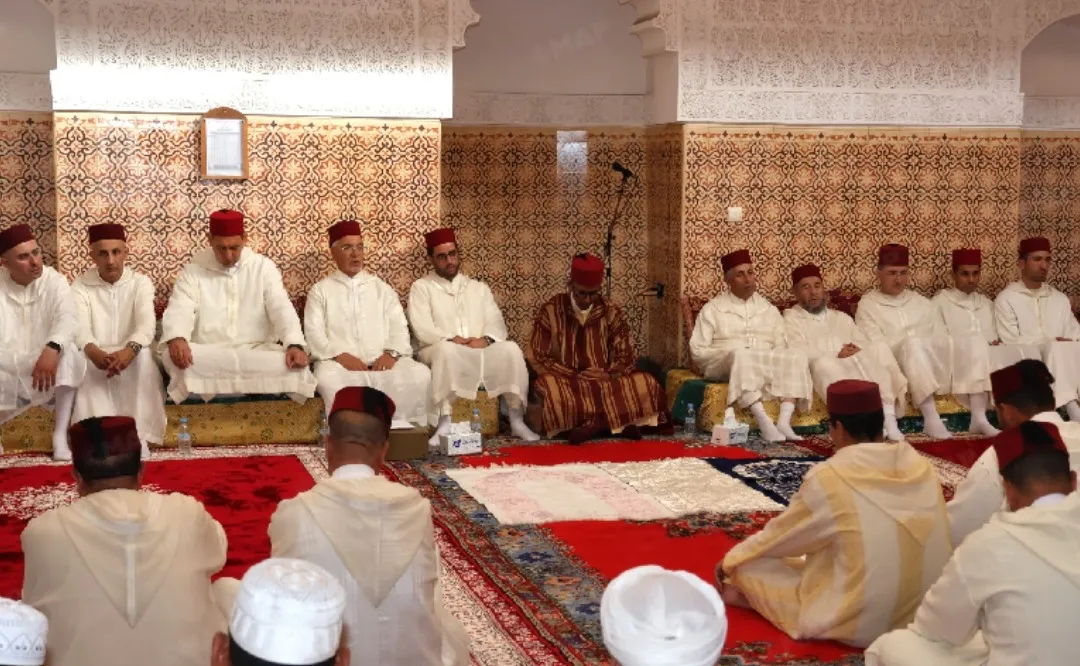
The two nations enjoy strategic and historical relations, alongside strong religious connections. Each year, hundreds of Senegalese pilgrims travel to Morocco to strengthen their spiritual ties with the Tijaniya brotherhood, founded in the city of Fez. Furthermore, Morocco and Senegal are commercial partners, with trade exceeding $300 million in the first half of 2025 and Moroccan investments in Senegal estimated at around $450 million, particularly in strategic sectors such as banking and telecommunications.
Nevertheless, Cheikh Oumar Aïdara, a Senegalese international sports consultant, believes that the tension has deeply affected sentiments on both sides and does not rule out negative repercussions in various sectors. He suggests that achieving unrestricted economic agreements will be challenging for both countries, complicating trade dynamics between Moroccan and Senegalese businesses. While the crisis might still be viewed as primarily sporting, it raises fundamental questions about Morocco's good faith, especially considering the detention of 18 Senegalese fans by Moroccan authorities, who received prison sentences of up to a year for their involvement in the final incidents.
As reported by infobae.com.