

Transformative Times for African Football
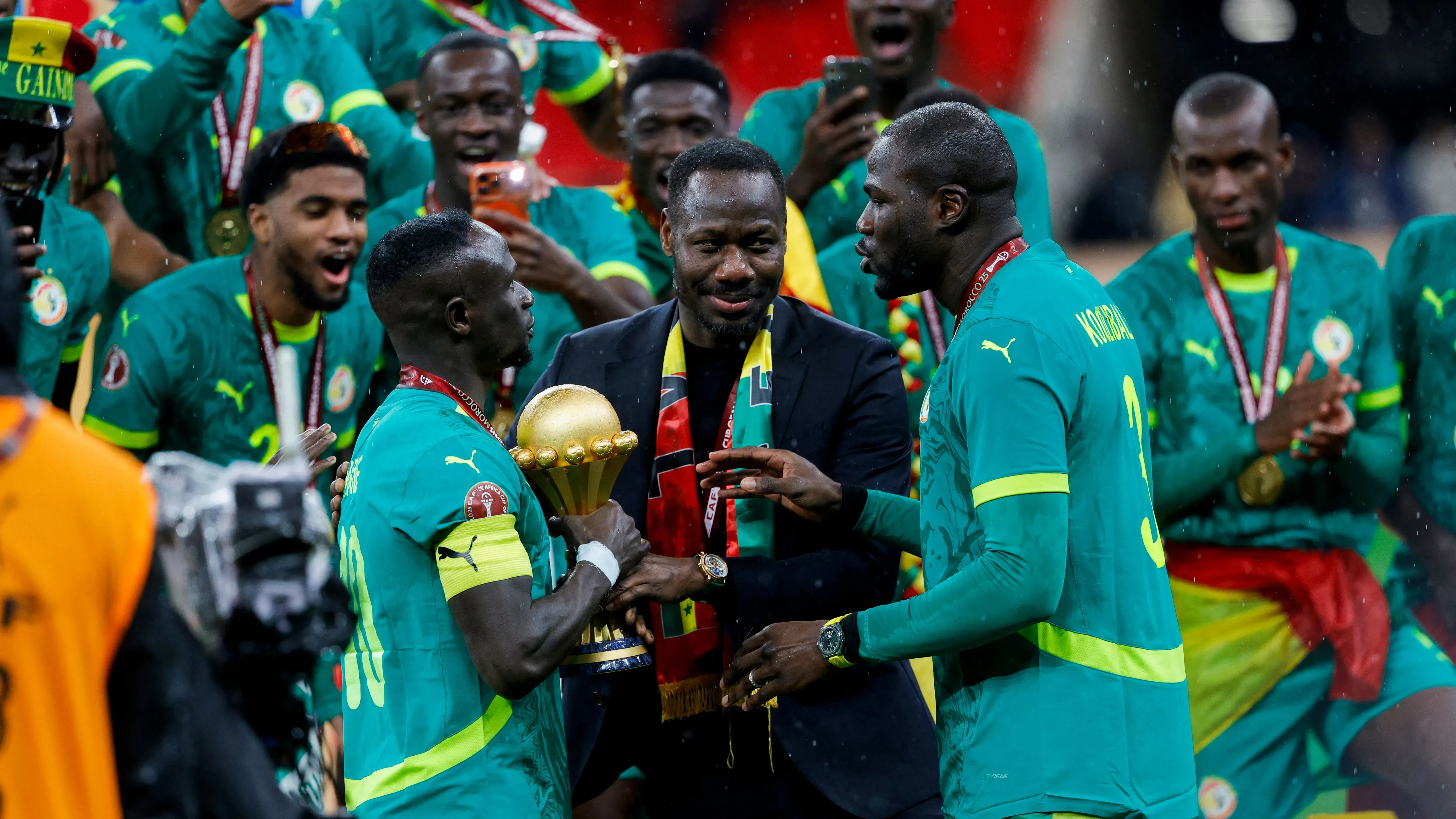
The landscape of football across the African continent is undergoing unprecedented changes, a sentiment echoed by the Spanish newspaper AS, which reported on the crisis that has shaken the very foundations of the sport in Africa. The recent events surrounding the Africa Cup of Nations final did not conclude with the final whistle; instead, they spiraled into an intense legal battle between Senegal and Morocco, now making its way through the courts and leaving many questions unanswered. The acceptance of Senegal's appeal by the Court of Arbitration for Sport has introduced a new layer of complexity into the situation, with both parties anxiously awaiting a final decision that will ultimately determine the rightful champion.
While the impending ruling may resolve the legal aspects of this crisis, its impact on public perception and media portrayal is likely to endure, as the divide in opinions remains stark. A Moroccan journalist, reflecting on the situation during a friendly match between Morocco and Ecuador, asserted that the events leading to the legal dispute were regrettably overdue. He stated, "This should not have happened. Senegal withdrew, and Morocco should have been crowned champion at that moment. It is simply the truth." This highlights the emotional and contentious nature of the debate surrounding the tournament's outcome, as passions run high on both sides.
A Conflict Beyond the Pitch
The ramifications of this crisis stretch far beyond a mere sporting dispute between two national teams; it is evolving into a broader conflict that threatens to draw additional parties into the tension. Reports indicate that the Moroccan Football Federation is actively engaged in discussions about the potential consequences of the ongoing legal battle, as they seek to navigate the intricacies of this unprecedented situation. This crisis may serve as a catalyst for broader discussions on governance, fairness, and the integrity of sports within Africa.
The fallout from this conflict could reshape the future of African football, prompting stakeholders to reconsider how disputes are resolved and how the sport is governed. As the situation develops, it is crucial for both football authorities and fans alike to reflect on the lessons learned from this ordeal. The hope is that such challenges will lead to constructive changes that ultimately benefit the sport and its players across the continent.
As reported by goal.com.

