
Understanding the Rising Trend of Car Theft in Spain
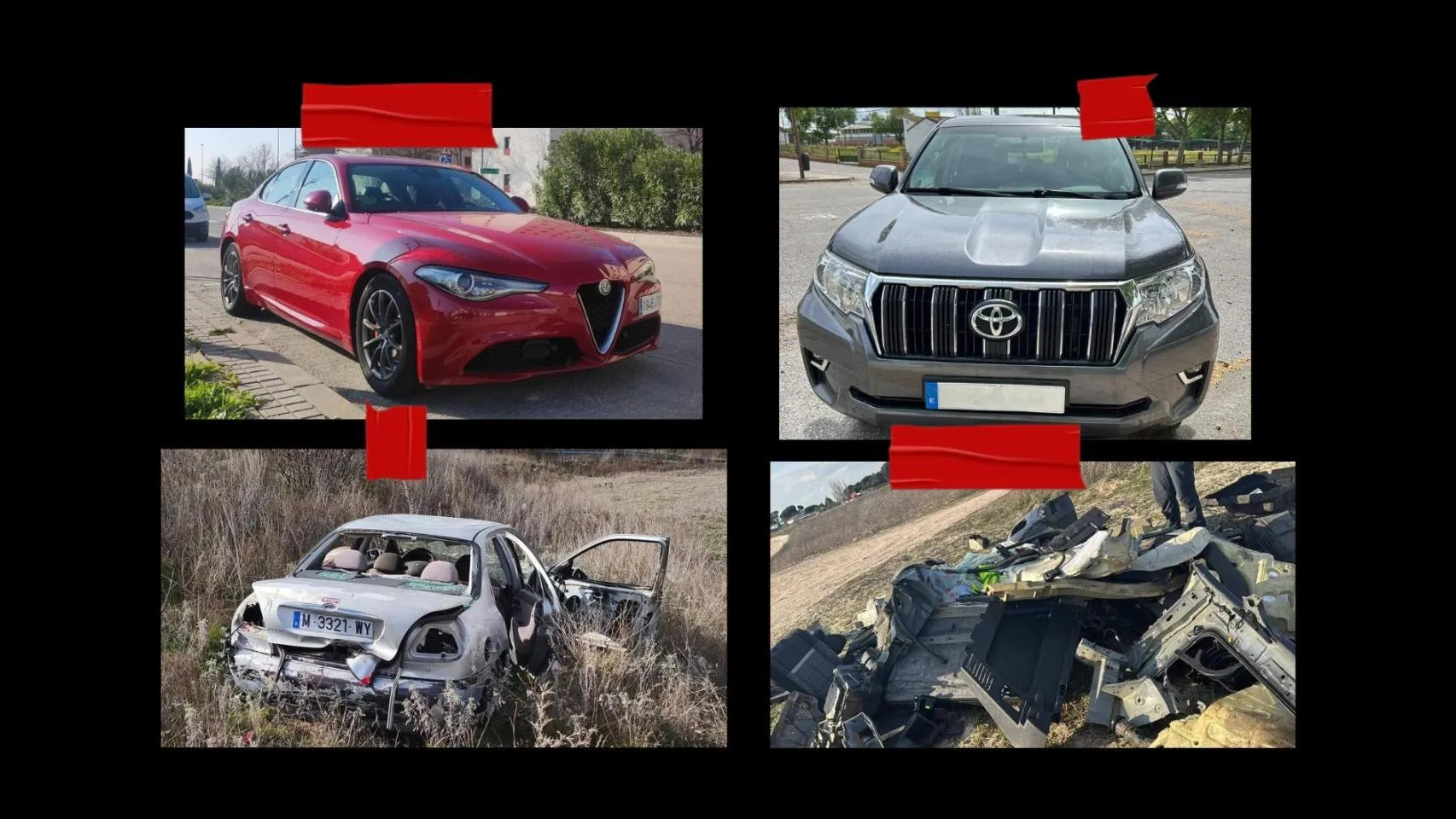
In a distressing report highlighting the surge in car thefts across Spain, numerous victims have shared their unsettling experiences. Among them, Toni recounts the unsettling moment in November 2025 when he discovered that his beloved Alfa Romeo had vanished overnight. "I parked it the night before, and when I went out to work the next morning, it was gone without a trace," he lamented, revealing the emotional toll such incidents take on individuals. Similarly, Ángela expressed her sense of vulnerability after her Toyota Land Cruiser was stolen in Badajoz on November 19, 2025. The aftermath left her with an unsettling fear, suggesting that she may have been followed prior to the theft. "I’m convinced they were watching me to carry out the theft," she asserted, underlining the psychological impact of such crimes.
Daniel’s story mirrors that of Toni and Ángela; his van was taken from right in front of his home on the night of November 20, leaving him feeling powerless as he awoke to find it missing. Together, these three individuals represent just a fraction of the staggering 33,032 car theft victims in Spain throughout 2025. A common thread among their experiences is the realization that nightfall serves as an accomplice to these criminals, with darkness providing cover for their illicit activities.
Criminal Strategies and the Aftermath of Car Theft
Tragically, none of these victims have recovered their vehicles, a reality that many must accept as time passes without answers. Toni, who has since acquired another car, continues to share images of his stolen vehicle on social media, yearning for resolution. "Every day I post pictures online; I want answers," he expressed, a sentiment shared by many victims who find themselves grappling with the loss. While the Guardia Civil is notified of such crimes, the lack of immediate response can exacerbate feelings of helplessness. Ana Belén, another victim from 2022, remains haunted by the theft of her Opel Vivaro, which she never managed to recover.
Experts like Miguel Ángel Plaza, manager of World Cars, shed light on the motivations behind these thefts. According to Plaza, stolen vehicles are often dismantled in clandestine workshops for their parts, sold on the black market, or transported to other countries. He noted that in Morocco, there is a preference for older models with less technology, making them a target for thieves. Additionally, some cars are stolen for use in other crimes before being abandoned. Plaza emphasized that the swift nature of these thefts—often completed in under five minutes—underscores the meticulous planning involved, as criminals risk exposure if they take too long.
As the narrative unfolds, victims express a shared sentiment of being watched before their vehicles were taken. Ángela's experience suggests that the perpetrators had prior knowledge of her routines and even had access to a duplicate key. This level of forethought is alarming, as it highlights a disturbing trend where car thefts are not merely crimes of opportunity but premeditated acts involving specific targets. Plaza confirmed that many thefts are organized based on specific requests from criminals in Morocco, who often seek particular models that lack advanced technology.
Once a vehicle is stolen, the thieves typically leave it in a rural area for a few days to determine whether it has GPS tracking. If it remains untouched, they consider it safe to transport to illegal workshops located throughout areas like Vicálvaro, Alcobendas, and Leganés. The nighttime nature of these thefts allows criminals a crucial window of opportunity—often several hours—before victims report the crime. This delay enables thieves to transport stolen cars without immediate consequence.
The aftermath of such crimes is not just the loss of a vehicle but also the profound psychological impact on victims. Many, like Esteban, who had his Volkswagen stolen, express a sense of disbelief as their cars seemingly vanish into thin air. The reality is grim; while four out of ten stolen cars may be recovered in Spain, the odds diminish significantly over time. As victims navigate their new normal, they are left with the understanding that the security they once felt is now a distant memory. The emotional scars of these experiences linger, as they come to terms with the fact that their vehicles may never be seen again. The stories of Toni, Ángela, Daniel, and Esteban serve as a poignant reminder of how quickly life’s comforts can be stripped away, leaving behind a haunting sense of insecurity.
As reported by elespanol.com.