The Cheikhates: A Cultural Response to Economic Exploitation
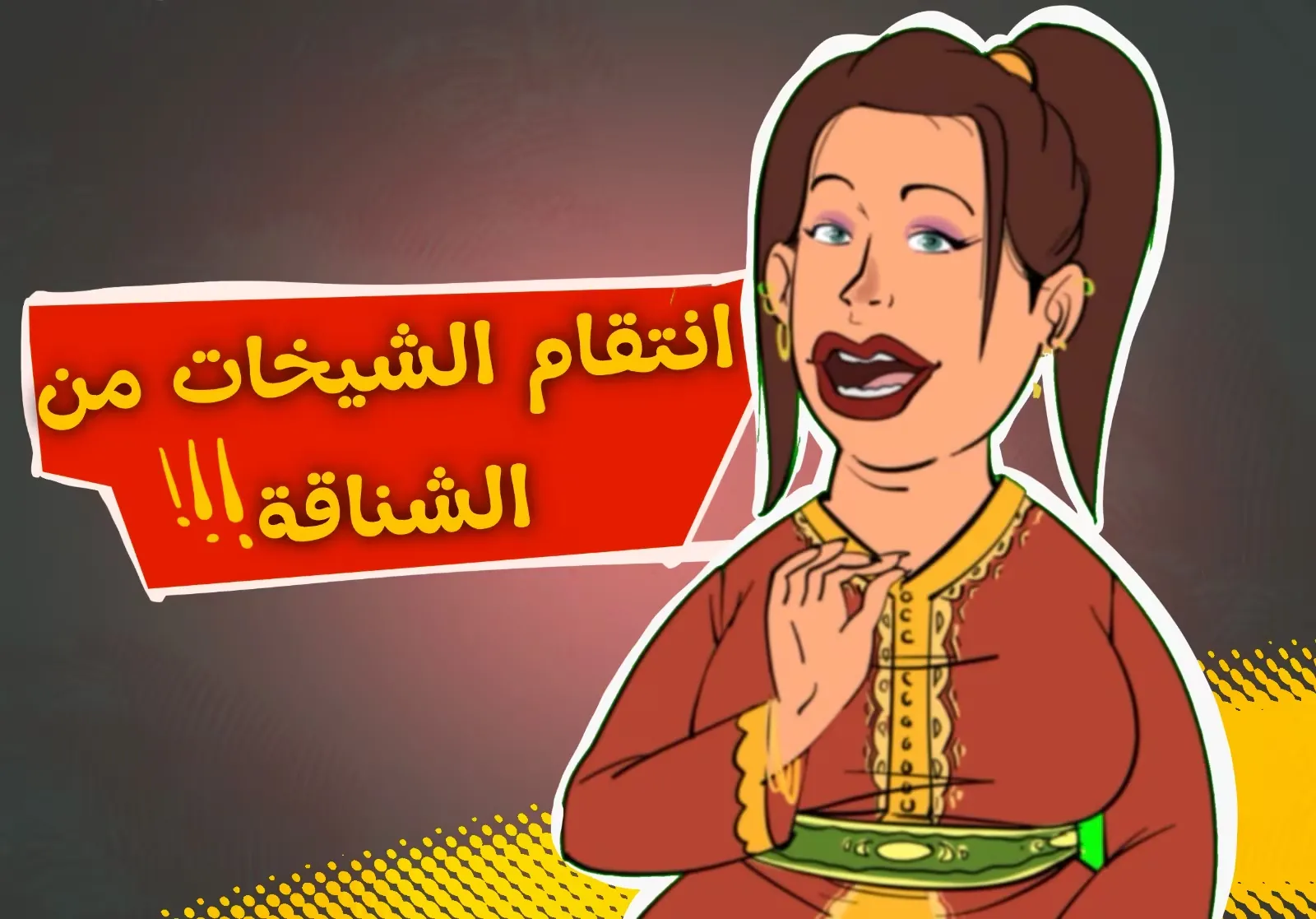
In a fascinating twist of cultural tradition, the Cheikhates, iconic performers in Moroccan folklore, have been summoned not for questioning but to serve a unique purpose. This unconventional gathering orchestrated by La Brigade aims to retaliate against the economic exploitation faced by many Moroccans at the hands of the Chennaqa, particularly during the festive season of Eid al-Adha. The Chennaqa, known for their hefty price tags on sacrificial animals, have left many families financially strained, and the Cheikhates' performance is seen as a means to reclaim some of that lost wealth. Through lively music and dance, the Cheikhates aim to entice these exploitative figures into a celebratory atmosphere, effectively emptying their pockets while providing entertainment to the masses.
The allure of the Cheikhates lies not only in their captivating performances but also in their deep-rooted connection to Moroccan heritage. Their ability to weave together music, dance, and storytelling creates a powerful medium through which social commentary can be expressed, especially in times of economic hardship. As they sway and sing, they not only provide a form of escapism for the audience but also highlight the ongoing struggles faced by ordinary citizens against the backdrop of cultural festivities.
This initiative reflects a larger narrative within Moroccan society, where cultural expressions serve as both a form of protest and a means of survival. The Cheikhates are reclaiming their space in a socio-economic landscape that often marginalizes the voices of the less fortunate. By turning the tables on the Chennaqa, they not only entertain but also empower the community, fostering a sense of unity and resilience amid adversity. As the performances unfold, it becomes clear that this is more than mere entertainment; it is a cultural response to economic exploitation, illustrating the dynamic interplay between art, culture, and social justice.
As reported by fr.le360.ma.