The Intricate Dynamics of Moroccan National Identity
The question of whether players on the Moroccan national football team truly embody Moroccan identity is not merely a matter of nationality; it delves into the broader implications of racial, cultural, and societal belonging. Many of these players are the descendants of individuals who emigrated due to the oppressive conditions that have historically plagued Morocco. These conditions fostered a sense of alienation, prompting families to seek a better life in European cities, where they often find themselves as second-class citizens, grappling with issues of acceptance and identity. As they navigate through their lives, the legacy of their heritage remains a constant reminder of the struggles faced by their ancestors, who were displaced by political turmoil and economic hardship.
The Moroccan state, characterized by its tyrannical governance and systemic corruption, has long maintained a grip on its citizens, pushing many to flee and seek refuge in foreign lands. The stark contrast between the luxurious lifestyles of the ruling elite and the poverty experienced by the majority of Moroccans is a source of bitterness for those who have established their lives elsewhere. The diaspora experiences a complex interplay of identity, often feeling more aligned with their new homelands yet facing the challenge of being viewed as outsiders in both contexts. This duality is particularly evident among successful athletes, who may gain recognition and respect that eludes their community members working menial jobs.
Football as a Reflection of Identity and Hypocrisy
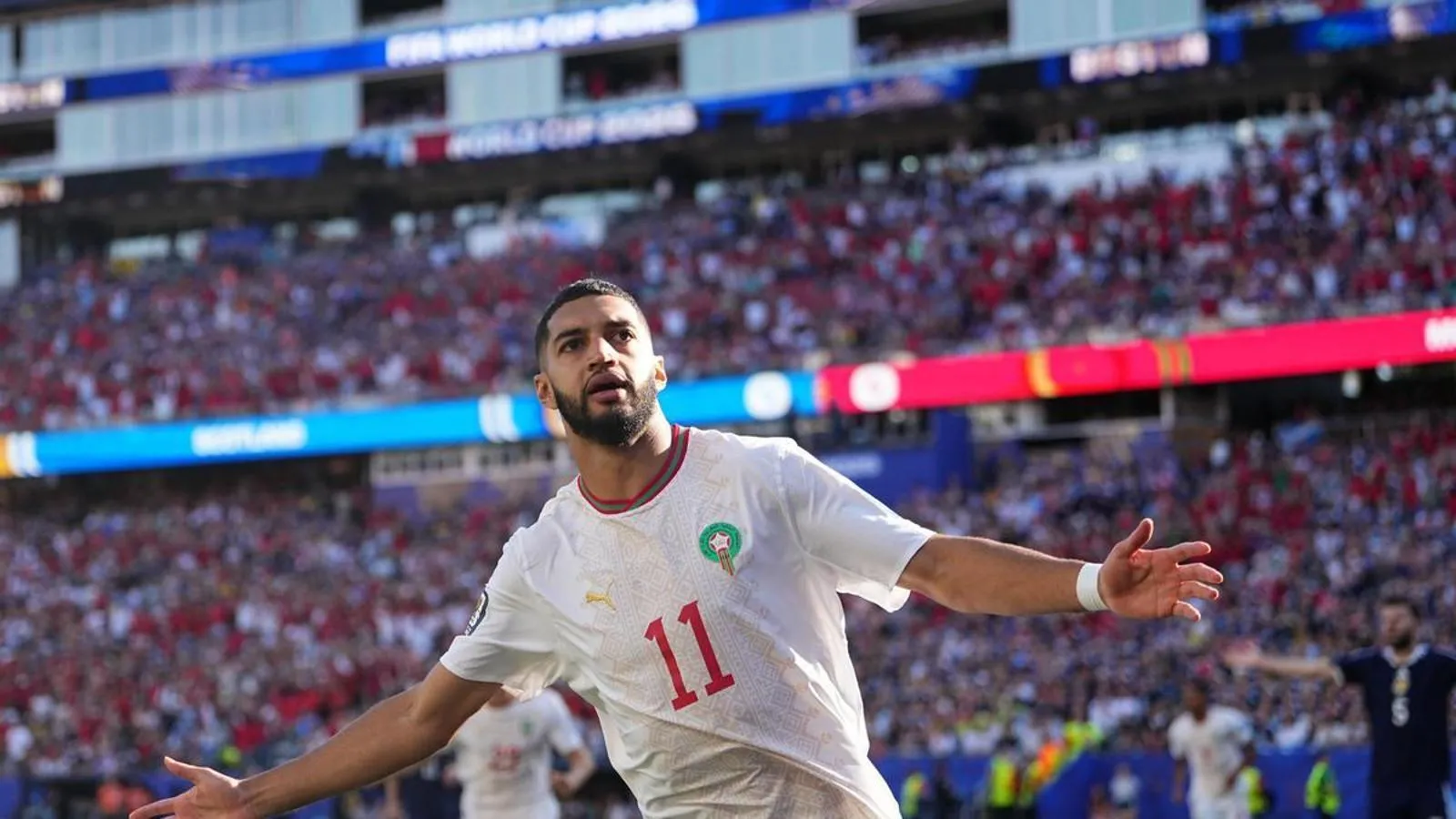
The visibility of Moroccan footballers competing on the world stage serves as a powerful metaphor for the contradictions inherent in national identity. While they represent Morocco on an international platform, their stories highlight the hypocrisy of a government that has historically neglected its people. The Moroccan regime has seized upon the success of these players, claiming them as symbols of national pride while disregarding the very roots from which they emerged. Many players have never even set foot in Morocco, choosing to represent a country that has failed to support their families, which adds layers of complexity to their participation.
Ultimately, for those of us with ties to the Moroccan diaspora, our connection to Morocco is deeply personal and rooted in familial love rather than nationalistic fervor. It is characterized by the warmth of our relatives, the joy of summer reunions, and the rich cultural traditions passed down through generations. This smaller, more intimate version of Morocco is one where flags and anthems hold little significance compared to the bonds of kinship and shared experiences. As we reflect on the identities of these footballers, we must recognize that their journeys embody more than just athletic prowess; they encapsulate the ongoing struggle for acceptance and recognition within the intricate tapestry of global identities.
As reported by en.ara.cat.