World Cup 2026 Preparations in the U.S. Highlight Media Double Standards
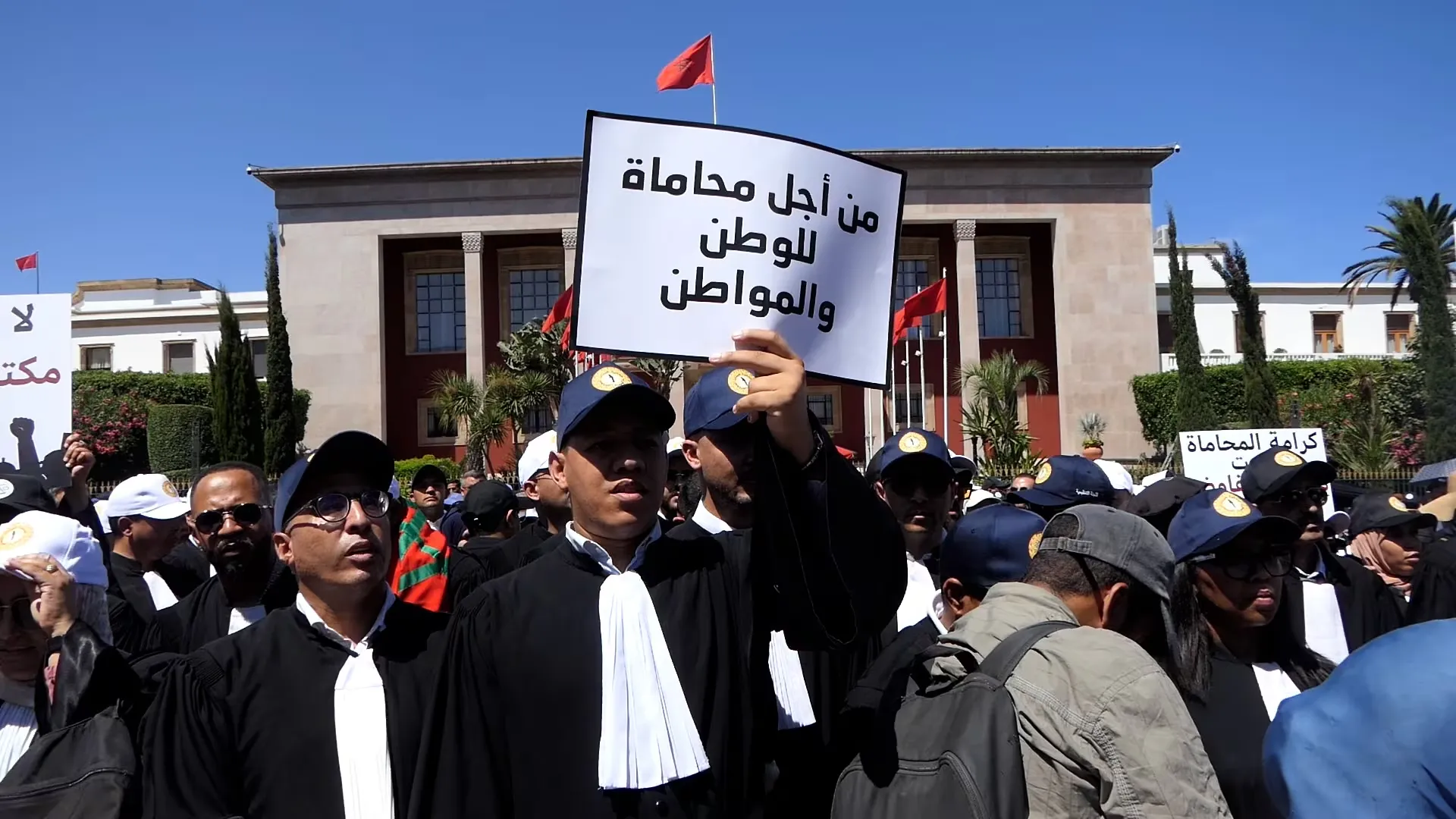
The preparations for the 2026 World Cup in the United States have presented a series of sights and scenarios that, had they occurred in Morocco, would likely have dominated headlines across various Arab and African media outlets. These same outlets had not hesitated to criticize every minor detail during Morocco's hosting of the Africa Cup of Nations (AFCON) 2025. The stark irony lies in the fact that the very voices that once amplified their critiques to the highest levels when discussing Morocco now seem noticeably quieter and more subdued as they observe a string of organizational missteps in the lead-up to the World Cup, which officially kicks off today, Thursday.
One of the latest incidents involves the Algerian national team, which found itself at the center of what some have described as a "spying" operation on its training sessions prior to its opening match against Argentina. Reports indicate that the Algerian coach had prohibited media attendance at training, yet a local American television station resorted to using a drone to capture footage of the practice session. This breach of the technical staff's desire for secrecy was characterized by several international sports voices as a scandal; however, it did not evoke a significant response from either Algerian sports officials or a considerable segment of the Algerian media. This is notably different from the rampant conspiracy theories that circulated during the AFCON in Morocco, where every logistical issue—from fan entry difficulties to routine refereeing decisions—was exaggerated into a supposed plot against the Algerian team.
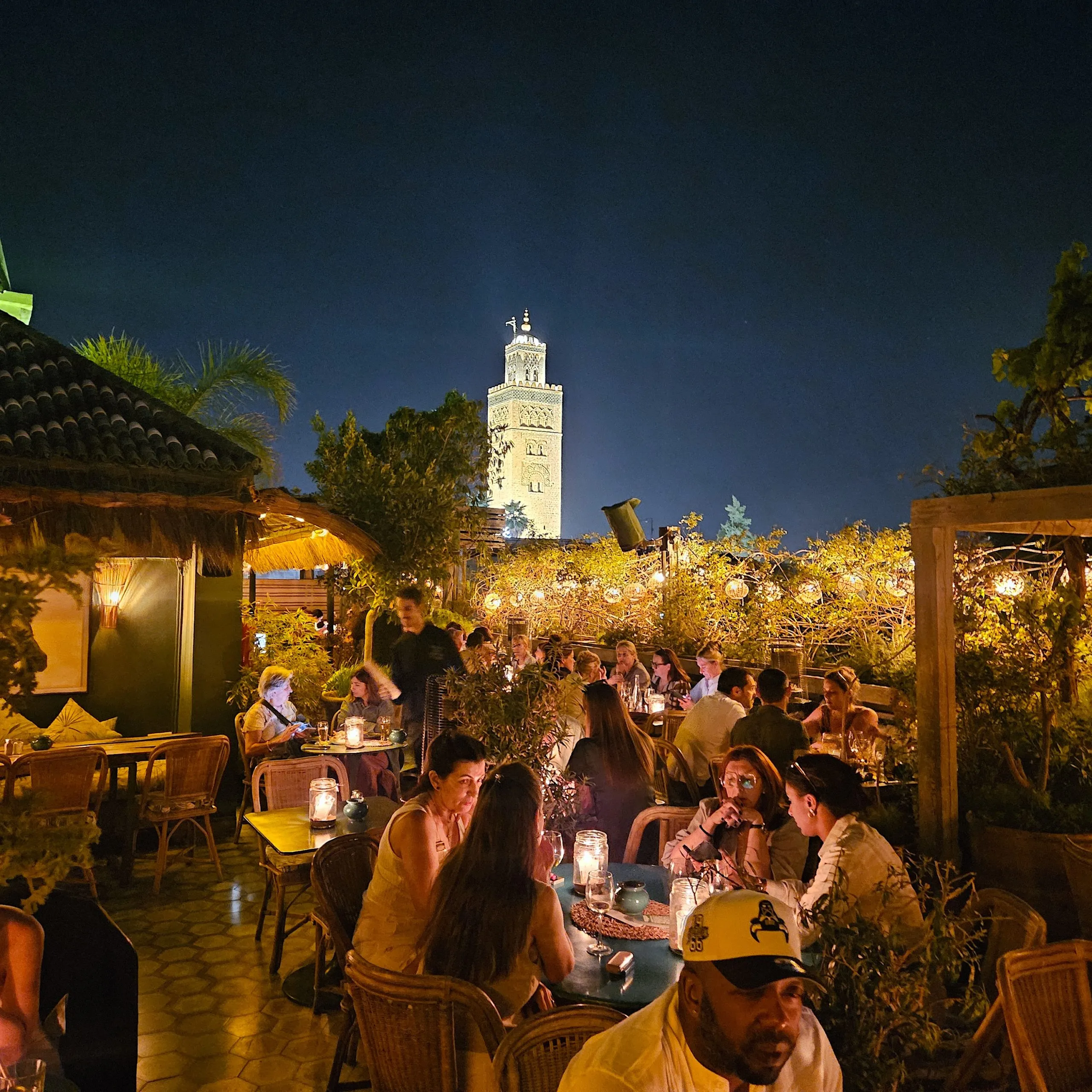
During the Africa Cup of Nations hosted by Morocco, it appeared that some Algerian media outlets were less focused on covering the sporting competition and more invested in seeking any angle to portray Morocco as a failed organizer. At that time, the Algerian team enjoyed very comfortable accommodations in one of Rabat's most luxurious hotels, playing its matches in the modern Prince Moulay Abdellah Stadium, one of Africa's newest venues. The current silence from Algeria regarding the unfolding events in the U.S. mirrors a similar trend seen with the Senegalese team. During the AFCON, the arrival of the Senegalese team in Rabat from Tangier, coupled with fans gathering to take photos with players, sparked considerable debate and was labeled by the Senegalese Football Federation as disorganized and a threat to player safety.
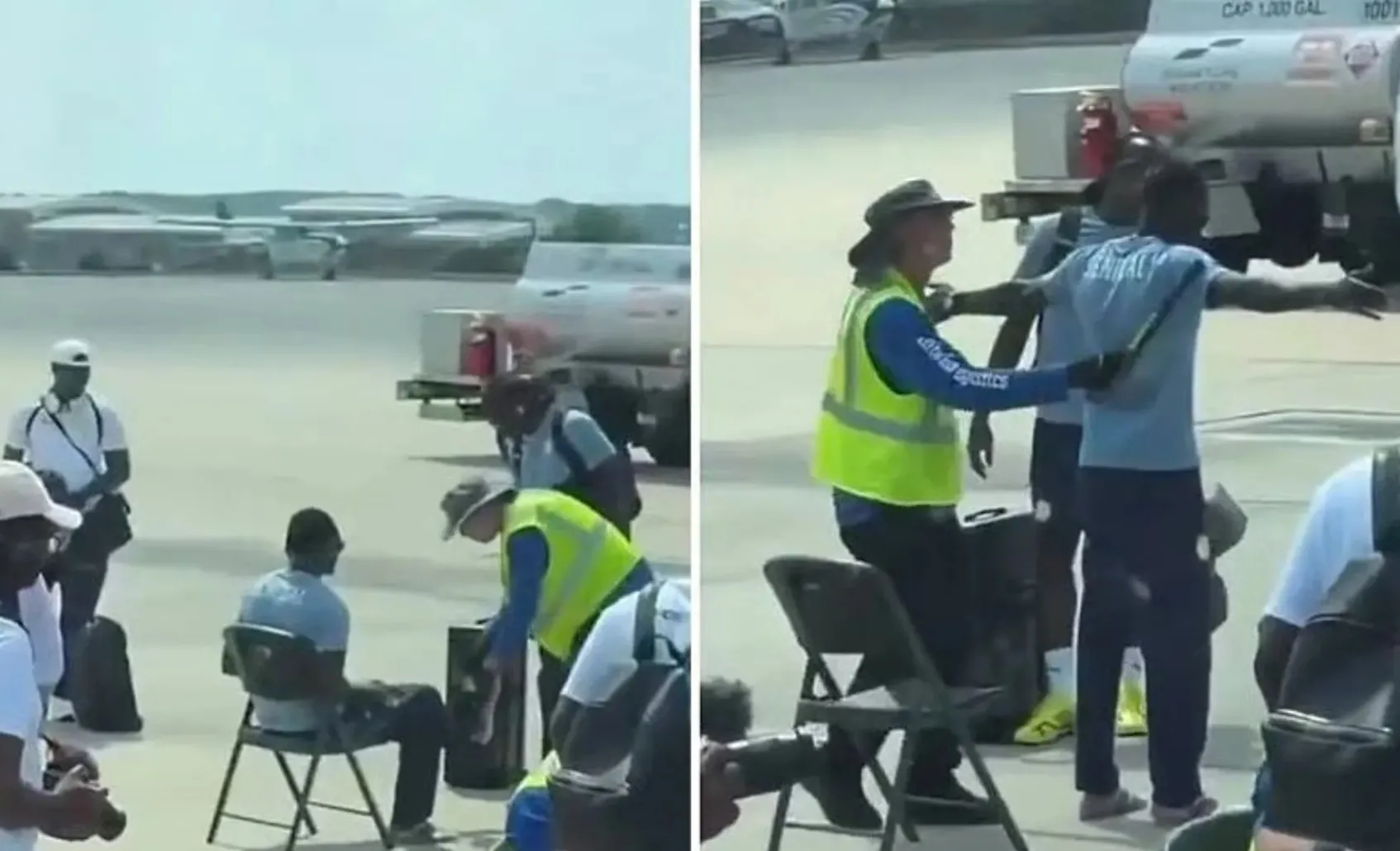
Yet, similar scenes have emerged recently in the U.S., with videos circulating that show Senegalese fans approaching their players outside the team bus for photos. Despite the clear parallels between the two situations, no significant outcry or criticism has emerged from Senegal this time, unlike the fervor seen during the AFCON in Morocco. Perhaps the most striking controversy involved the Senegalese team during their arrival in the U.S., where videos depicting what many deemed "humiliating" searches of the delegation circulated widely. Surprisingly, when the Senegalese Football Federation finally broke its silence, it was not to condemn the treatment but rather to justify it, stating that the procedures were standard for everyone—an entirely different stance than what one might expect had the same situation occurred in Morocco.
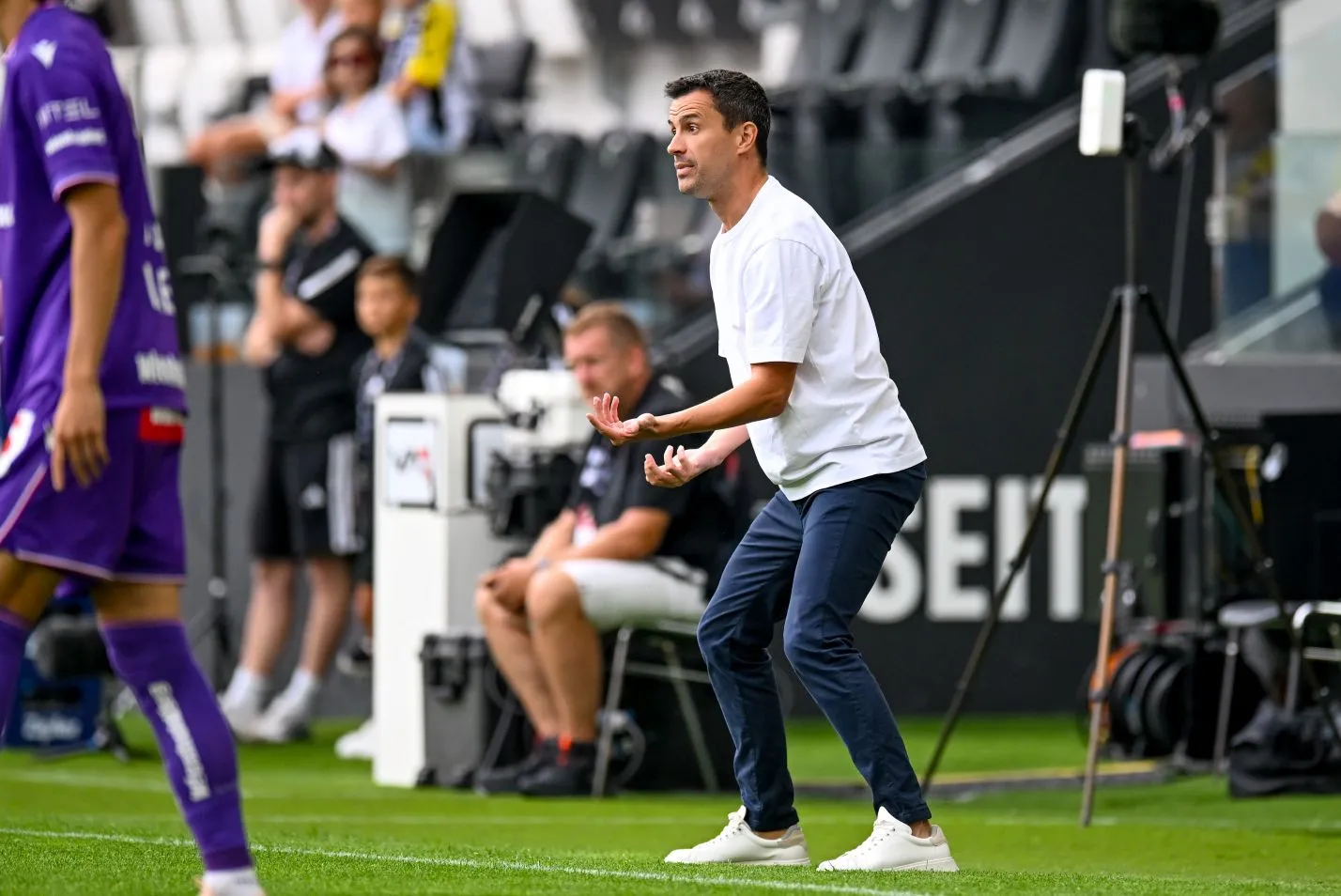
In a similar vein, the Egyptian national team has provided another example of the disparity in reactions. During a friendly match against Brazil at Huntington Bank Stadium in Cleveland, photos emerged showing coach Hossam Hassan struggling under the sweltering sun, exposed without any shade for the substitutes' bench. This scene ignited widespread commentary on social media, especially considering that Hassan had been one of the most vocal critics of certain organizational aspects during the tournament in Morocco. Yet, this time, there were no fiery statements or sharp criticisms regarding the conditions surrounding the match, even though the images could have easily sparked significant debate had they occurred in Morocco or another nation.
Revelations of Bias in Critiques of Morocco's Organization
What these incidents collectively reveal is that many of the criticisms directed at Morocco by Algerian, Egyptian, and Senegalese media seem not to have stemmed from consistent professional standards but rather from a desire to target Morocco and portray it as an "inept" organizer. This is particularly poignant given that many Arabs and Africans struggle to reconcile the notion that a country like Morocco can excel in organizing events compared to nations typically regarded as more developed.
As reported by assahifa.com.