Effects of the Iran War on Morocco and Algeria
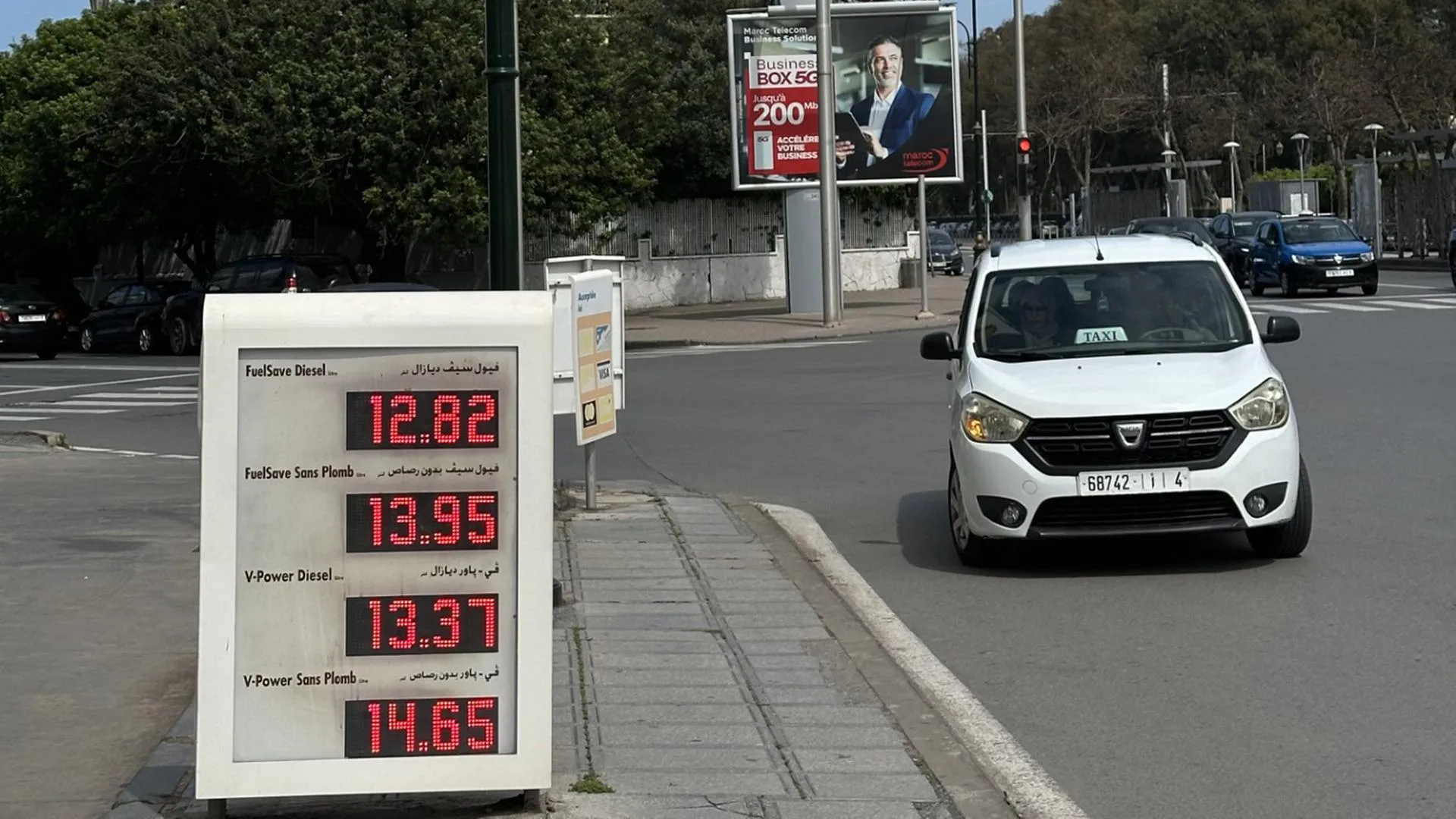
Approximately three weeks following the commencement of the war between the United States, Israel, and Iran, it has become increasingly evident that the conflict is having repercussions not just for the parties directly involved but also for North African countries such as Morocco and Algeria. Notably, these impacts are not solely negative. In Morocco's capital, Rabat, the effects of the conflict are palpable at the gas stations, where the price of diesel has surged from eleven dirhams to thirteen dirhams per liter overnight, translating to about 1.20 euros, representing a nearly 20 percent increase. This sudden spike has understandably frustrated local taxi drivers, with one expressing his discontent while refueling, attributing the price hike to the Iran war and calling for government intervention to prevent citizens from bearing the financial burden.
The inflationary pressures in Morocco have already led to increased prices for many food items, although it remains unclear if these rises are solely due to heightened transportation costs or if they stem from heightened demand during the festive period marking the end of Ramadan. It is likely that both factors are contributing to the situation, as concerns about inflation resurface in North Africa, reminiscent of the inflationary trends observed in 2022 following the onset of the Russian invasion of Ukraine. While Germany is largely self-sufficient in food production, geopolitical circumstances inevitably leave their mark.
Government Measures and Economic Stability
Last week, the Moroccan political magazine Telquel reviewed the economic crisis of 2022, during which inflation in Morocco tripled, fuel prices exceeded 1.50 euros per liter, and the government subsidized the transportation sector to the tune of approximately 700 million euros. In response to the current crisis, Morocco's government has again introduced subsidies for transport companies, which can apply through an online portal. However, the sustainability of such measures raises questions about how long Morocco can afford to implement these financial aids.
Unlike Algeria and Tunisia, Morocco lacks significant oil or gas reserves, meaning that the rising global market prices—currently around 100 US dollars per barrel of Brent crude, up from 65—are particularly impactful on its economy. Economist Lahcen Oulhaj, who is considered a financial authority in Morocco, believes that the country is well-prepared and financially stable, but he warns that imported inflation is almost unavoidable. He estimates that Morocco's energy costs could rise by as much as 50 percent, which will have broader implications for the economy, including a deteriorating trade balance and an increase in the budget deficit to four percent.
Morocco is also significantly affected by economic developments in Europe. A decline in economic performance in European countries could result in Moroccan expatriates in Spain, France, or Germany sending less money back home—an essential source of income that accounts for around eight percent of the Gross Domestic Product (GDP). This remittance flow, combined with tourism, plays a critical role in offsetting the trade deficit. In contrast, Algeria, a key natural gas supplier to Europe, is faring significantly better; as Oulhaj notes, Algeria benefits from energy exports, and rising prices bolster the national budget and improve the trade balance. The Algerian government also supports its economically struggling neighbor, Tunisia, potentially allowing it to navigate the ongoing crisis more effectively.
As the economic outlook for Tunisia appears precarious, the Arab Institute of Business Leaders (IACE) has raised alarms about the risks posed by escalating energy prices due to the Iran conflict, warning of potential declines in economic growth, inflation, and a weakening tourism sector attributed to increased airline fuel costs. The rising import prices are likely to exacerbate the balance of payments issues.
Energy experts from various consultancy firms, however, caution that Algeria cannot significantly ramp up production in the short term to replace Gulf supplies to Europe. Algeria's customer base extends beyond Italy and Spain to include France and Germany, but the country requires a large portion of its production for domestic use. Developing new reserves to meet Europe’s energy demands could take years, according to analysts.
Nevertheless, the current crisis presents not only risks but also opportunities for Morocco, as per economist Lahcen Oulhaj. He suggests that Morocco could emerge positively from the conflict, especially in terms of oil, with plans to develop the port of Nador into a crucial oil transshipment hub. This will necessitate the construction of large storage facilities in northeastern Morocco, away from the conflict zone, positioning the kingdom as a secure haven for capital and real estate investments from war-affected Gulf states. Moreover, investments in sectors such as green data centers could also be triggered, with Oulhaj noting that Morocco could benefit from increased sales and prices of fertilizers, given its status as home to the world's largest phosphates reserves.
Whether these potential benefits can offset the social costs of inflation remains to be seen, as the economic expert Lahcen Oulhaj points out. With forecasts predicting a six percent economic growth for Morocco in 2026—an impressive figure—current developments cast doubt on this optimistic outlook. The extent of the economic impact in North Africa will largely depend on the duration of the ongoing war against Iran.
As reported by tagesschau.de.