
Unveiling the Greenhouse Gas Emissions Linked to AI Data Centers
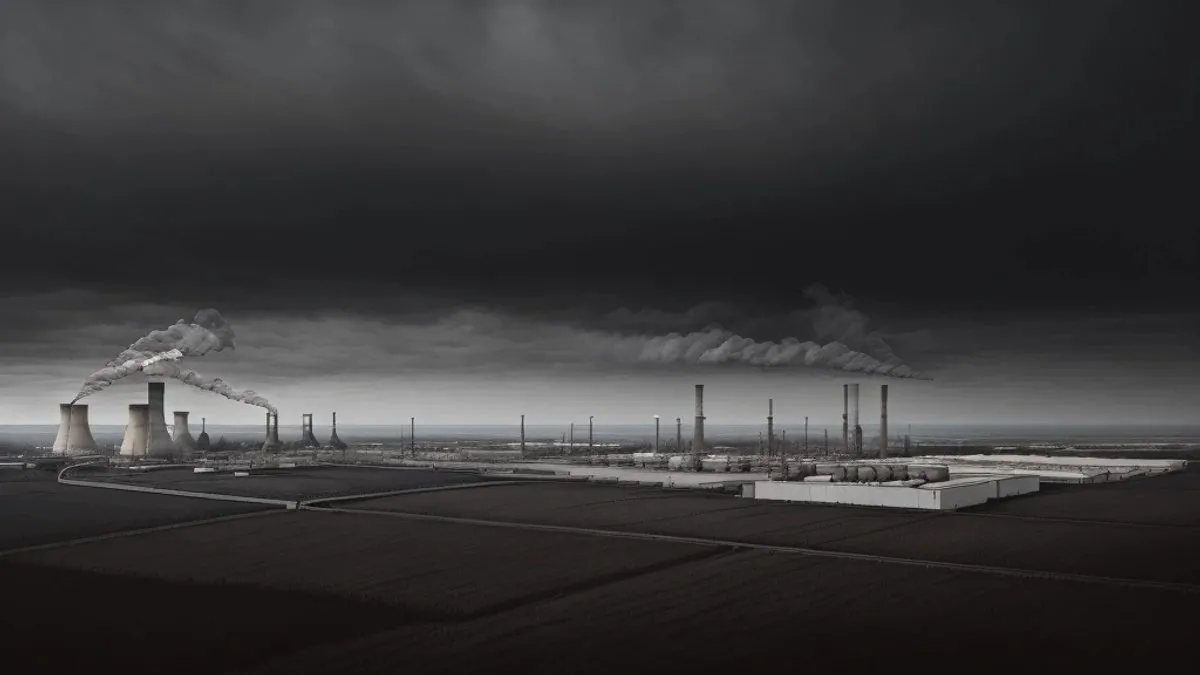
A recent investigation by Wired has shed light on the environmental implications of natural gas projects associated with just eleven data center campuses in the United States. The findings reveal a potential annual emission of over 129 million tons of greenhouse gases, thereby transforming the ongoing discourse surrounding energy consumption in AI into a tangible assessment of infrastructure currently being developed. This staggering figure underscores the urgency of addressing the environmental impact of AI technologies, transitioning the conversation from speculative future concerns to pressing current realities.
Among the projects examined, three natural gas initiatives linked to the Stargate Project, a consortium spearheaded by OpenAI for the establishment of data center campuses across various states, collectively exhibit an alarming potential emission exceeding 24 million tons of greenhouse gases each year. This volume surpasses the emissions of Costa Rica while being slightly lower than those of Croatia, all stemming from just three projects in a single year. Additionally, the xAI Colossus campus located in Memphis, along with its counterpart in Southaven, is anticipated to generate over 6.4 million tons of CO2 equivalents annually—an output comparable to that produced by thirty average-sized natural gas plants each. In West Texas, a Chevron-backed project, reportedly pursued by Microsoft for its energy needs, holds a permit indicating potential emissions of 11.5 million tons annually, a figure that exceeds Jamaica’s total emissions for an entire year. When aggregating these figures across the eleven campuses, the total potential annual emissions reach a staggering 129 million tons, eclipsing Morocco's projected emissions for 2024.
The Implications for Clean Energy Transition
In response to these findings, industry representatives often argue that the emissions figures derived from permit analyses represent theoretical maximums rather than realistic operational estimates. Alex Schott, communications director for a firm constructing three power plants for Meta, expressed that these estimates depict a conservative scenario, suggesting that actual emissions could be significantly lower. However, Wired's analysis challenges this narrative: even if total emissions were to be halved from the maximum permitted levels, the gas power infrastructure would still contribute more greenhouse gases in a single year than Norway's emissions in 2024, equating to well over 153 average-sized natural gas plants. Clearly, the margin of error does not alter the magnitude of the issue; it merely shifts the comparison from Morocco to Norway.
The significance of these figures extends beyond mere statistics; they reflect a troubling trend in the energy landscape. The International Energy Agency (IEA) reports that natural gas has already accounted for more than 40% of the electricity supplied to U.S. data centers, with coal contributing an additional 15%. Furthermore, the IEA predicts that these two sources will continue to fulfill over 40% of the rising electricity demand from data centers through at least 2030. This trend does not indicate a shift toward cleaner energy; rather, it signifies an entrenchment of fossil fuel reliance. PJM Interconnection, responsible for managing the grid in thirteen eastern states, including Virginia—the self-proclaimed data center capital of the world—has postponed the closure of 60% of its fossil fuel plants due to the soaring demand from data centers. The ongoing expansion of AI technologies does not merely add to existing energy consumption; it actively reverses the trajectory of decarbonization efforts.
As the environmental footprint of their operations becomes increasingly apparent, companies like Microsoft, Google, and Amazon face mounting pressure regarding their emissions profiles. These tech giants have made net-zero or carbon-negative commitments with specific deadlines, predicated on the assumption that clean energy procurement could keep pace with growing energy demands. However, the rapid expansion of AI infrastructure has disrupted this relationship, positioning data centers as one of the fastest-growing sources of greenhouse gas emissions globally. The IEA's projections suggest that emissions from this sector could more than double by 2030, creating a stark contrast to the promises made by these corporations to investors who took their net-zero commitments at face value.
As these concerns escalate, so too does the regulatory landscape. A January 2026 report from the Union of Concerned Scientists warns that without robust clean energy policies, the increased reliance on fossil fuels to power data centers could elevate annual U.S. power plant CO2 emissions by 19 to 29 percent by 2035. The Brookings Institution has begun framing the energy demands of data centers as a regulatory challenge linked to AI rather than simply an energy issue. The European Union's AI Act already mandates energy transparency for high-impact AI systems, while the U.S. lacks similar federal requirements. However, the stark reality revealed by permit documents showing individual campuses with emissions profiles larger than entire nations is likely to expedite discussions on regulatory measures—discussions that many companies may not have fully anticipated in their risk assessments.
There exists a significant counterpoint to this dilemma—the measurable gap between the energy needs of the AI industry and the existing clean energy infrastructure. This gap, quantifiable in terawatt-hours and billions of dollars, signifies a burgeoning market. A new wave of companies is emerging to bridge this divide, including advanced geothermal developers like Fervo Energy, small modular reactor ventures such as Oklo and X-energy, long-duration storage firms aiming to replace peaker plants, and startups focused on unlocking stranded renewable capacity. The energy crisis associated with data centers is not merely a narrative of shortcomings within the AI sector but rather a reflection of an infrastructural deficit that has developed over decades and will require years to rectify, with substantial commercial implications on both sides of this timeline. The Wired permit analysis brings to light the scale of this deficit in ways that are hard to overlook. The future trajectory will depend on whether the influx of capital into AI computing can be redirected, at least in part, toward the energy systems that support its operational demands.
As reported by startupfortune.com.