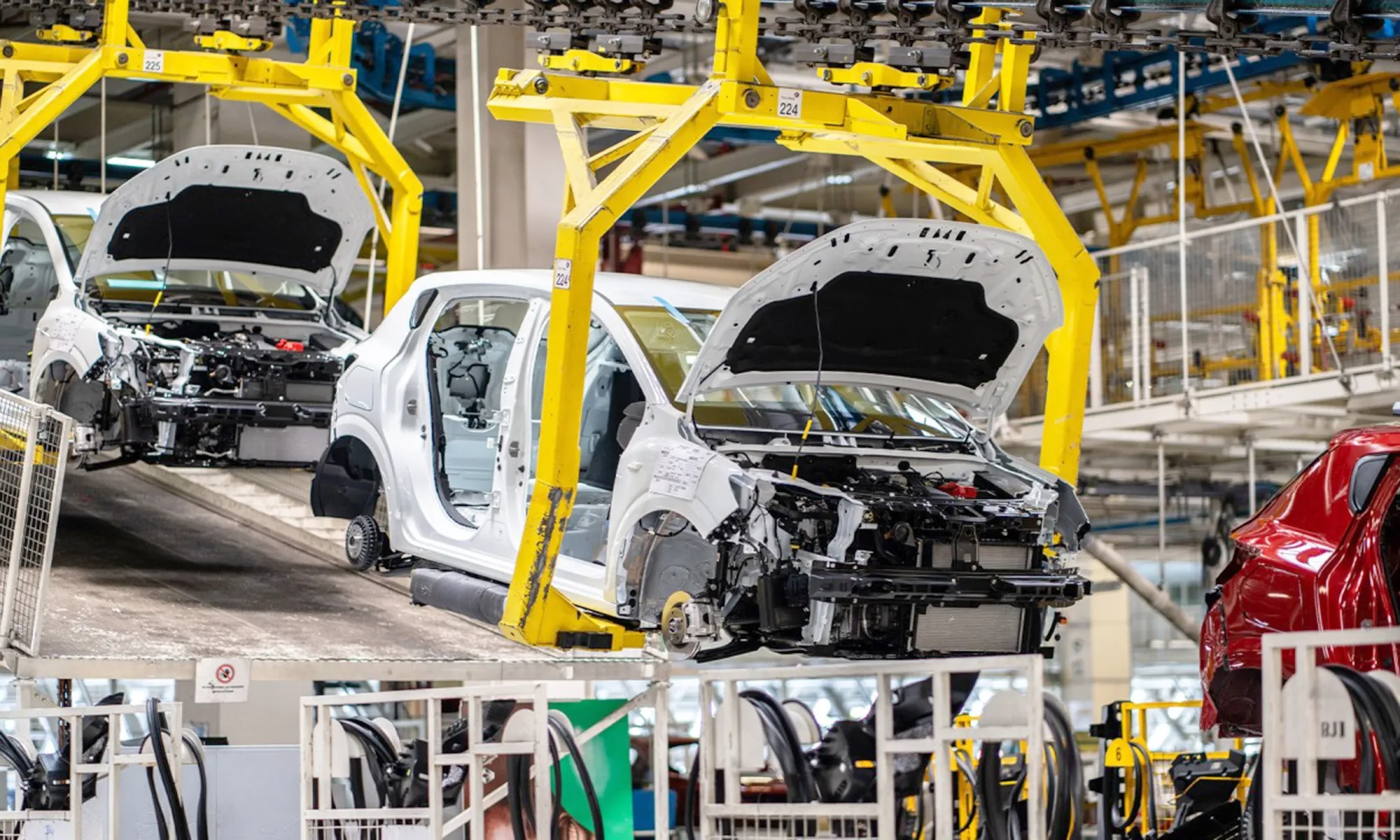

The European Union is accelerating its efforts to protect the regional industry, implementing various aids exclusively for manufacturers operating within its borders. Over a year ago, tariffs were imposed on direct imports from China, with the aim of encouraging European consumers to purchase locally-made products. This initiative is encapsulated in the project known as 'Made in Europe.'
In light of these developments, numerous Chinese brands are now eager to commence car production in Europe, seeking to evade the daunting tariffs. Companies such as MG, Leapmotor, and BYD are already making strides in this direction. While relocating production to Europe will eliminate European tax barriers, the higher production costs may keep vehicle prices stable.
However, within this plan, there are certain weak links that could undermine the original purpose of 'Made in Europe.' One significant concern has already emerged with BYD's factory in Turkey, a nation that, despite not being a member of the EU, has substantial economic and trade agreements that allow it to benefit from such arrangements. Other countries included in this amicable treaty are Norway, Canada, the United Kingdom, and Morocco.
The French government advocates for restricting the 'Made in Europe' objectives to the 27 member states, while Germany argues for the inclusion of a total of 40 countries to counter potential trade reprisals from China. Morocco could emerge as a gateway for Chinese brands to enter the European market through 'the back door.'
One aspect that the European executive is particularly wary of is Morocco. Since the 2012 Association Agreement, trade between this country and the EU has been entirely tariff-free. This privilege has attracted many Chinese brands, which are now setting their sights on the African territory to benefit from low production costs and bypass the tariff barriers.
Currently, Morocco is at a peak, with half of the signed Chinese investments in North Africa and the Middle East directed towards this nation. Technological firms such as Gotion High Tech, BTR New Material Group, and Tianyouwei have established operations in Morocco between 2023 and 2025.
Stefan Sipka, head of the European Policy Center, stated, “Companies will seek to optimize their production chains to comply with EU regulations while maintaining competitive costs. Consequently, Morocco becomes a natural intermediary.”
The current benefits between Morocco and the European Union give primarily Chinese companies a status of equivalence. Producing components or even vehicles in Tangier will be considered part of the 'Made in Europe' objective. As mentioned, this advantage also includes cheaper labor and reduced bureaucratic hurdles, significantly lowering the entire production process.
Due to this weak point within the European strategy, many EU leaders support the idea of limiting this treatment to countries that are part of the Union itself. Otherwise, investments will continue to flow outside the borders, which is precisely what the European executive aimed to prevent.
As reported by hibridosyelectricos.com.