
Morocco's Media Transition Amidst Challenges
Morocco's media environment is currently experiencing a significant transformation characterized by a swift pivot towards digital platforms and an emergence of content creators. However, this transition is not without its challenges, as highlighted in the recently published Digital News Report 2026 by the Reuters Institute for the Study of Journalism. The report underscores a dual reality where the Moroccan media landscape is becoming more dynamic yet increasingly fragmented, all while grappling with deep-rooted structural issues, such as low public trust and a restrictive legal framework.
In the autumn of 2025, heightened tensions in Morocco's public sphere were observed, particularly following the rise of youth-led protests spearheaded by the «GenZ212» movement. These protests aimed to challenge the government's spending priorities, especially concerning infrastructure projects related to the upcoming 2030 FIFA World Cup. Protesters also called for essential reforms in various sectors, including healthcare, education, and anti-corruption measures. In response to this mounting public pressure, both official and traditional media outlets found themselves compelled to adopt a more transparent approach, thereby amplifying these societal demands while attempting to shape the discourse around themes of national sovereignty, stability, and cohesion.
Public Trust and Media Credibility
The report reveals a striking credibility crisis within Moroccan media, with overall trust in news sources plummeting to a mere 28%, which falls short of the global average of 37%. This trust deficit is largely attributed to widespread concerns over misinformation, cited by 54% of survey respondents, alongside perceptions that media outlets tend to shy away from sensitive subjects and largely echo official narratives. Yet, an interesting paradox emerges: despite a general decline in trust towards the media system as a whole, certain individual outlets continue to maintain a relatively high level of credibility among the public.
Medi 1 TV stands out with the highest trust score of 72%, complemented by a weekly usage rate of 28% through traditional channels and 16% online. It is closely followed by Al Aoula and Laayoune TV, both yielding a trust level of 70% and reaching weekly audiences of 34% and 17% respectively. The channel 2M also shows strong performance, achieving a trust rating of 69%, with weekly viewership at 39% on television and 25% online. Other notable mentions include Medi 1 Radio and the SNRT News platform, both scoring 69% in trust, with traditional radio reach at 20% and digital presence at 13%.
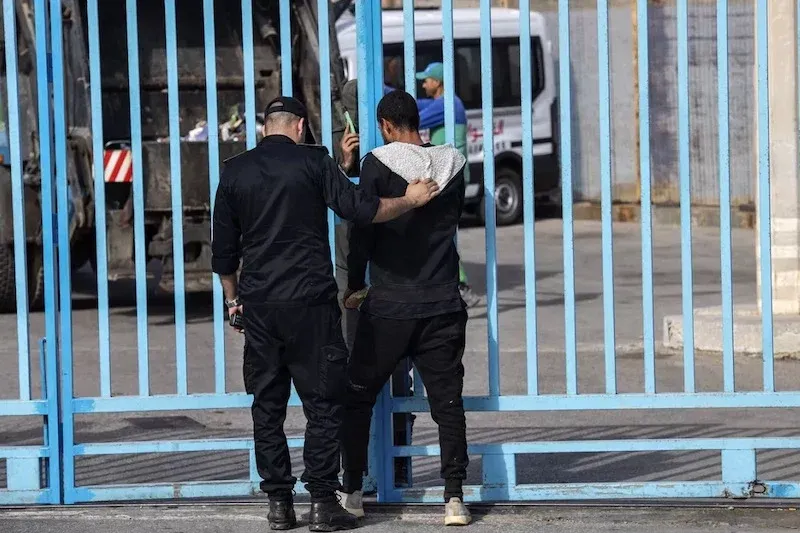
These dynamics have paved the way for a new generation of news intermediaries, including YouTube commentators, content creators, and independent digital voices, who are increasingly taking on a parallel role in interpreting public affairs and government policies. However, the study emphasizes that Morocco's legislative and regulatory framework remains tightly controlled. Recent reforms concerning the National Press Council and the professional status of journalists, while positioned as modernization efforts, are not universally embraced as such. These changes occur concurrently with ongoing judicial pressures that affect freedom of expression, particularly during protest periods, thereby fostering a climate of caution and self-censorship within the media landscape.
Reflecting this scenario, Morocco's position in the 2026 World Press Freedom Index by Reporters Without Borders is concerning, as it scored 50.55 points and ranks 105th globally. Ultimately, the report concludes that Morocco's media system is neither moving towards complete openness nor total closure. Instead, it is undergoing a gradual adaptation process propelled by the digital revolution. Nonetheless, this transformation does not necessarily equate to authentic media pluralism, particularly as long as public trust remains low and sensitive political discussions continue to be selectively managed.
As reported by en.yabiladi.com.