
The Vital Role of Training for Electoral Observers in Africa
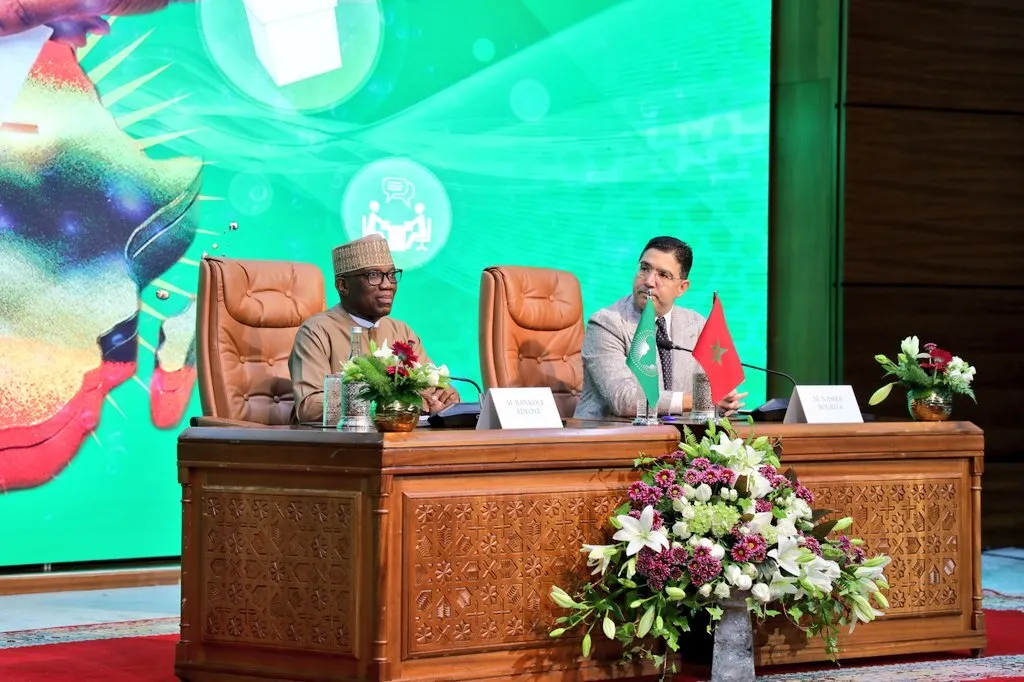
The 5th edition of the specialized training cycle for short-term electoral observers in Africa commenced on April 20, 2026, in Rabat, Morocco, co-chaired by Moroccan Foreign Minister Nasser Bourita and the African Union (AU) Commissioner for Political Affairs, Peace, and Security, Bankolé Adeoye. This training session, which runs until April 25, exemplifies Morocco's unwavering commitment to fostering a stable and democratic Africa, aligning with the enlightened vision of King Mohammed VI. The training aims to strengthen the foundations of inclusive and peaceful political dialogue across the continent, bringing together nearly 90 participants from 53 AU member countries, including delegations from Mali, Niger, Burkina Faso, Guinea-Bissau, Sudan, and Madagascar.
During the launch ceremony, Minister Bourita emphasized that the credibility of any electoral process cannot be assured if it excludes segments of the population. He stated, "Our women, our youth, and persons with disabilities must have their voices heard, not merely as a symbolic gesture, but because their inclusion is essential for excellence and legitimacy." He highlighted that the strength of this training cycle lies in its ability to reflect the realities of African societies. The inauguration of this edition signifies not only the resilience of a vision but also the maturity of a continental ambition, marking five years of exemplary partnership between Morocco and the AU.
Launched in 2022, this initiative has become a benchmark for enhancing electoral capacities and promoting transparent governance across Africa. Bourita expressed a profound conviction that African democracy will only solidify if it is championed by well-trained, independent, and fully engaged African hands. He noted that nearly 400 observers have been trained in Rabat, representing all five African regions, with 65% being women and 85% being youth. He addressed the contemporary challenges facing democratic processes, especially in an era rife with deepfakes, algorithmic misinformation, and artificial intelligence. The training in Rabat must evolve to adapt to new risks threatening the integrity of elections. Bourita affirmed that the partnership with the AU aims to continuously adapt training modules so that African observers are well-equipped to identify emerging threats.
In his remarks, Bankolé Adeoye underscored the strategic significance of this initiative, asserting that the partnership between the AU and Morocco represents the only institutionalized training program with a sustainable purpose among AU member states. On this occasion, Adeoye presented an award to Minister Bourita, recognizing Morocco's exceptional leadership and steadfast commitment to democratic governance, peace, and security in Africa.
The training cycle is further enriched by the concurrent holding of the 3rd dialogue seminar in Rabat, organized by the Policy Center for the New South and the AU, under the theme "The Digitization of Democracy: Youth-Led AI Strategies in a Changing World." To date, approximately 95% of the electoral observers trained in Rabat have been deployed in AU-led electoral observation missions, contributing to the credibility and transparency of elections across the continent.
As reported by afriquinfos.com.