
Morocco's Strong Alignment with U.S. and Israeli Interests
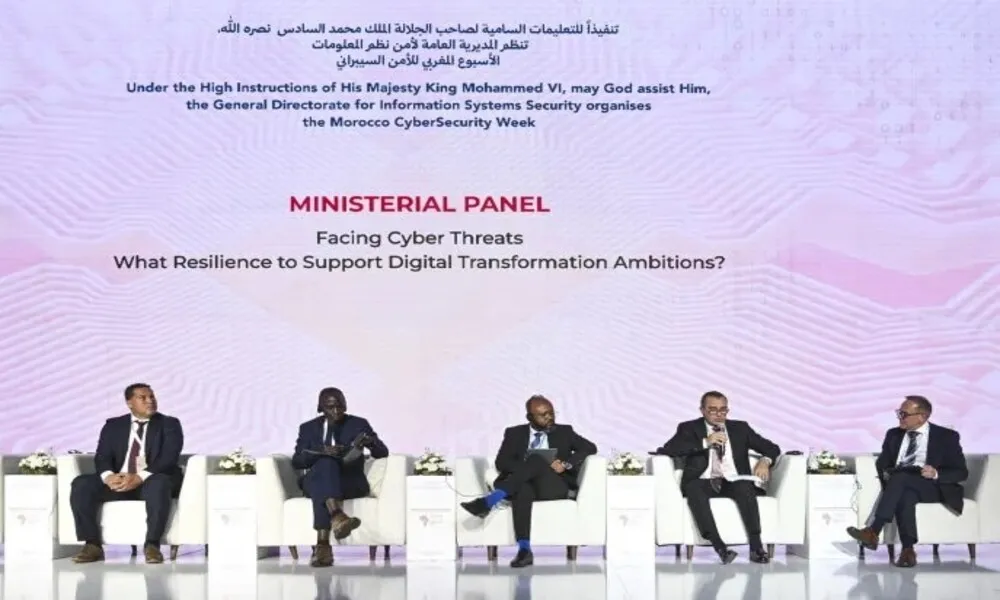
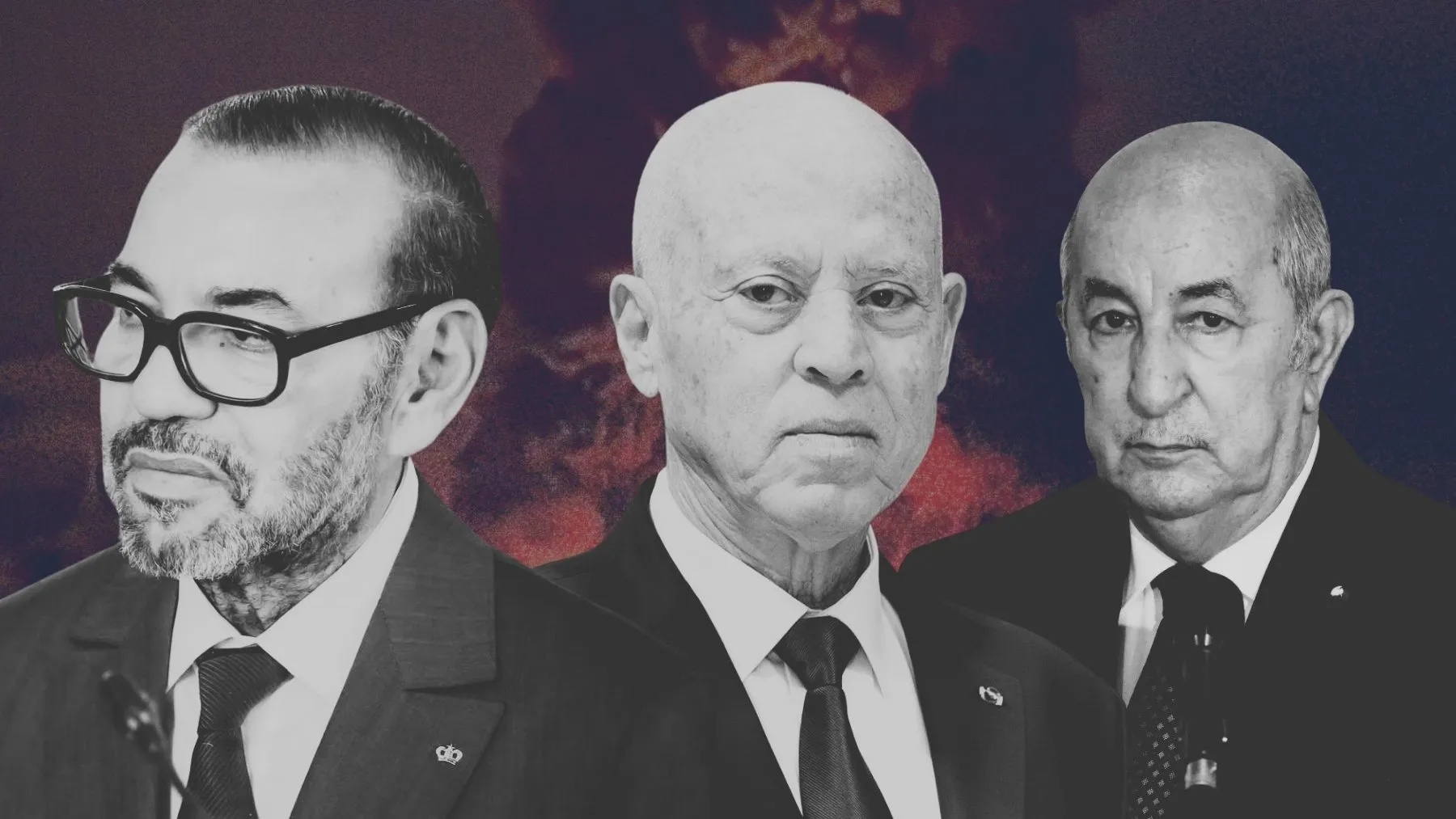
Among the three Maghreb nations, Morocco stands out as the most resolute supporter of U.S. and Israeli military actions against Iran. In a surprising turn of events, both Algeria and Tunisia have deviated from their traditional foreign policy stances in an apparent attempt to curry favor with President Donald Trump. The backdrop to this geopolitical shift is the ongoing negotiations concerning Western Sahara, facilitated by the United States. Notably, Washington has already acknowledged Morocco's sovereignty over this contested territory, providing tangible support to Rabat in its ongoing conflict. This strategic partnership not only underscores Morocco's alignment with U.S. interests but also reflects its close economic ties with Israel, cemented through the normalization of relations in 2020.
These dynamics elucidate why Morocco has condemned Iranian missile strikes against Gulf nations without reservation regarding the military operations initiated against Iran. This firm stance is particularly significant considering that during the so-called "12-day war" between Israel and Iran in June 2025, Morocco refrained from issuing any official statement. Historically, Morocco's animosity towards the Islamic Republic of Iran dates back to 1980 when Iran, under the leadership of Ayatollah Ruhollah Khomeini, recognized the independence movement of the Polisario Front. A further diplomatic rupture occurred in 2018 when Morocco accused Iran of supplying arms to the same group. Therefore, it is not surprising that Moroccan officials labeled Iranian strikes on Gulf states as "abject" in March 2026, viewing these actions as a blatant violation of national sovereignty and a direct threat to regional stability.
Contrasting Responses from Algeria and Tunisia
However, this position is not universally accepted among Moroccan political factions. Some parties, such as the Justice and Development Party (PJD) and the Democratic Left Federation (FGD), have issued statements condemning the attacks on Iran. Other groups, like the National Action Group for Palestine, have called for protests against what they term U.S.-Israeli aggression towards Iran. Yet, these gatherings have been stifled by authorities, reflecting a broader suppression of dissent. Simultaneously, religious figures in Morocco have voiced solidarity with Iran, with scholars expressing support for the Muslim nation, thus challenging the official narrative. Notably, Ahmed Raïssouni, a prominent theologian, has publicly endorsed Iran's stance, arguing against aggressors and their allies.
In contrast to Morocco's unwavering support for the Gulf states, Algeria's evolving position marks a significant departure from its established diplomatic principles. Algerian Foreign Minister Ahmed Attaf recently affirmed total solidarity with Arab nations victimized by military assaults, while notably failing to denounce the death of Iran’s Supreme Leader Ali Khamenei. This marks a stark difference from Algeria's previous criticisms of Israeli attacks during earlier conflicts. Historically, relations between Algeria and Iran have fluctuated, with a notable diplomatic freeze occurring between 1993 and 1999 due to accusations of Iranian support for Islamist militant groups. Yet in recent years, Algeria had been advocating for Iran's right to peaceful nuclear technology.
Algeria's pivot towards aligning with U.S. interests, likely motivated by economic opportunities, reveals its desire to shed diplomatic isolation exacerbated by rigid foreign policy stances. With tensions rising in the Middle East, Algeria is eyeing potential economic gains through increased oil and gas exports to Europe, leveraging its geographical proximity. This strategic shift is also evident in Tunisia, where President Kaïs Saïed has recently sought closer ties with Tehran, despite earlier criticisms of Israeli actions during the "12-day war." The Tunisian foreign ministry's March 2026 statement notably refrained from condemning Israel or the U.S., signaling a potential recalibration of its foreign policy approach.
In conclusion, as the geopolitical landscape in the Maghreb continues to evolve, Morocco's steadfast alignment with U.S. and Israeli interests starkly contrasts with the more cautious approaches adopted by Algeria and Tunisia. This divergence reflects broader strategic calculations as each nation navigates its unique position within the complex web of Middle Eastern politics.
As reported by orientxxi.info.