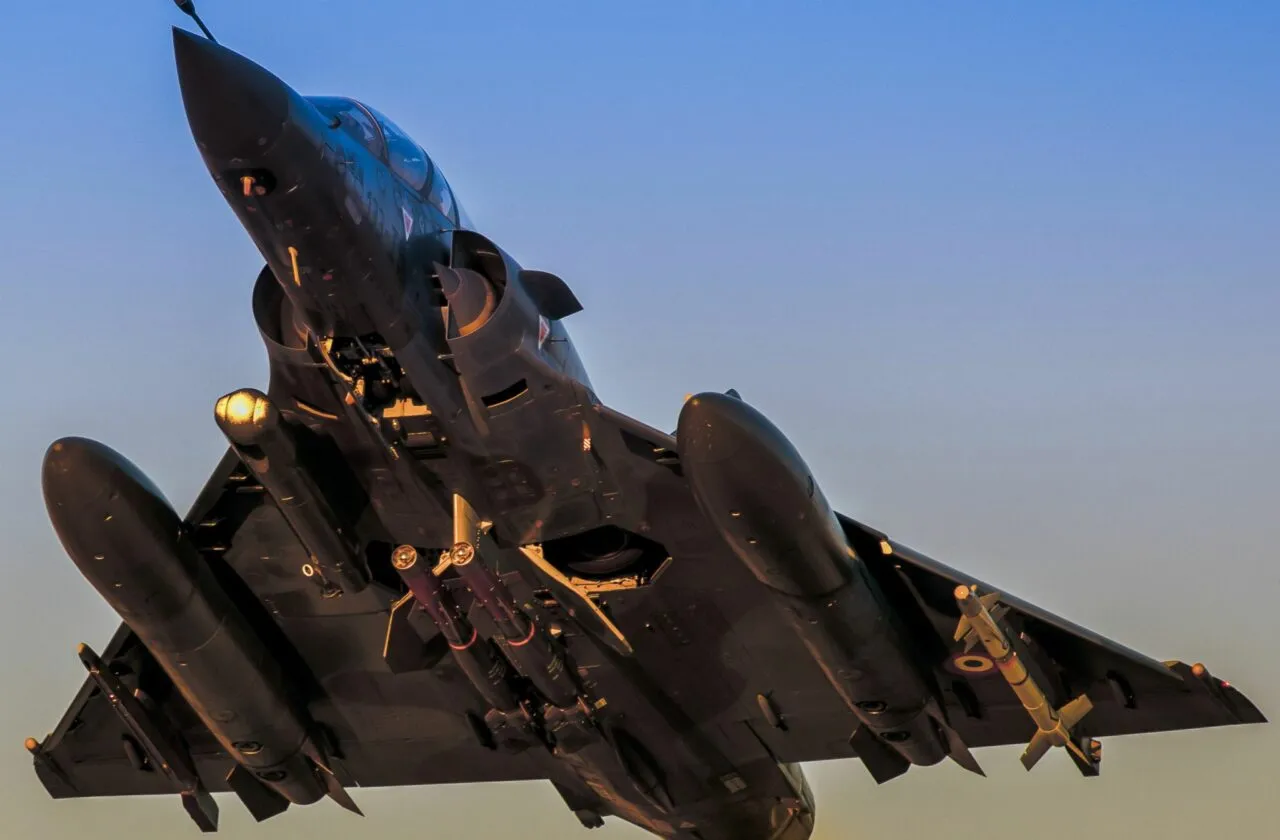

Strategic Developments Surrounding the Mirage 2000 Deliveries
In early 2026, the landscape of Mirage 2000 deliveries to Rabat took a notable turn. The halt announced by Abu Dhabi in 2024 regarding the delivery of 30 Mirage 2000-9 jets to Morocco, a situation already mired in regional tensions and labor disputes, was confirmed. Furthermore, the anticipated delivery date for the F-16 Block 70 jets ordered in 2024 is now facing delays. This complex backdrop highlights the urgency of Morocco's defense needs at a time when the operational landscape is shifting dramatically.
Simultaneously, the Mirage 2000 platform is set to receive industrial support beyond 2035, underscoring its operational value, demonstrated recently in Ukraine with the deployment of AASM Hammer bombs. With a decreasing supply of available aircraft and the reaffirmed priorities of the United Arab Emirates (UAE) as of February 2026, the window for immediate reinforcement for Morocco appears to be closing rapidly. The cessation of the planned delivery of the 30 Mirage 2000-9 jets in 2024 has made a previously unmet demand painfully clear, exacerbated by acute tensions between Washington and Tehran impacting regional dynamics.
Operational Relevance and Future Prospects
In 2025, discussions around potential French mediation were introduced, yet no concrete outcomes have emerged. For Morocco, these aircraft were expected to serve as an immediate reinforcement while awaiting the delayed delivery of 25 F-16 Block 70 jets, further amplifying the necessity for a short-term solution. The production of the Mirage 2000 was halted in 2007 after approximately 601 units were manufactured, creating a significant fleet base. Dassault Aviation has assured ongoing support for the aircraft beyond 2035, ensuring long-term maintenance and supply, which preserves the operational relevance of the platform despite the production stoppage and secures the fleet's future. Access to existing aircraft remains a viable option for fleet enhancement without the prolonged wait times associated with new acquisitions.
Notably, the Ukrainian Air Force is actively employing Mirage 2000 fighter jets for ground attacks using AASM Hammer bombs. Recent images released by Ukrainian media confirm strikes on Russian positions, showcasing the versatility and effectiveness of these aircraft. The AASM Hammer transforms unguided bombs into precision-guided munitions capable of striking targets over 40 kilometers away, even in contested areas. This extended range facilitates attacks on ammunition depots, fuel supplies, or personnel reserves without entering the reach of short-range defense systems, highlighting the adaptability of the Mirage 2000 platform.
The Mirage 2000-01 prototype made its inaugural flight on March 10, 1978, in Istres, with test pilot Jean Coureau at the controls. This 65-minute flight demonstrated solid aerodynamic stability and impressive engine performance. Series production commenced in 1982, rapidly increasing operational readiness. This timeline reflects a proven and sustainable design that has stood the test of time, explaining Morocco's pursuit of a reliable solution to bridge critical capability gaps.
As of early February 2026, the UAE military decided to retain the 30 Mirage 2000-9 combat aircraft originally intended for Morocco. These jets remain in high operational readiness at the Al Dhafra Air Base, confirming the immediate operational needs of the UAE and maintaining fleet preparedness in a challenging security environment. This stance underscores the local demand for these aircraft and has direct implications for any transfer projects in the near future.
As reported by meta-defense.fr.