FIFA's Ongoing Evaluation of 2030 World Cup Host Cities
The race to secure the venues for the 2030 FIFA World Cup continues to unfold, particularly following the withdrawal of A Coruña from consideration. According to FIFA officials, the process remains open, and international delegates are currently inspecting the proposals submitted by Spain, Portugal, and Morocco, which are working diligently to finalize their configurations. The outcome may still shift based on technical and financial criteria established by FIFA.
In terms of venue statistics, Spain has retained nine of the eleven stadiums it initially proposed, following the withdrawals of Málaga and A Coruña. Morocco has ambitious plans with six potential sites, while Portugal has streamlined its proposal to three key venues. Originally, twenty stadiums were in contention, but the list has now been reduced to eighteen. FIFA is reportedly considering an acceptable range of between sixteen and eighteen venues for the tournament.
Challenges and Requirements for Hosting
Hosting a World Cup venue entails meeting stringent requirements, including a seating capacity close to 42,000 and solid financial backing for necessary renovations—conditions that many candidates have struggled to fulfill. This challenging reality has led to early exits from the bidding process, with cities like Murcia and Gijón withdrawing due to uncertainty regarding their technical and economic viability. All projects must be finalized by 2029, a deadline that has pressured several candidates to withdraw.
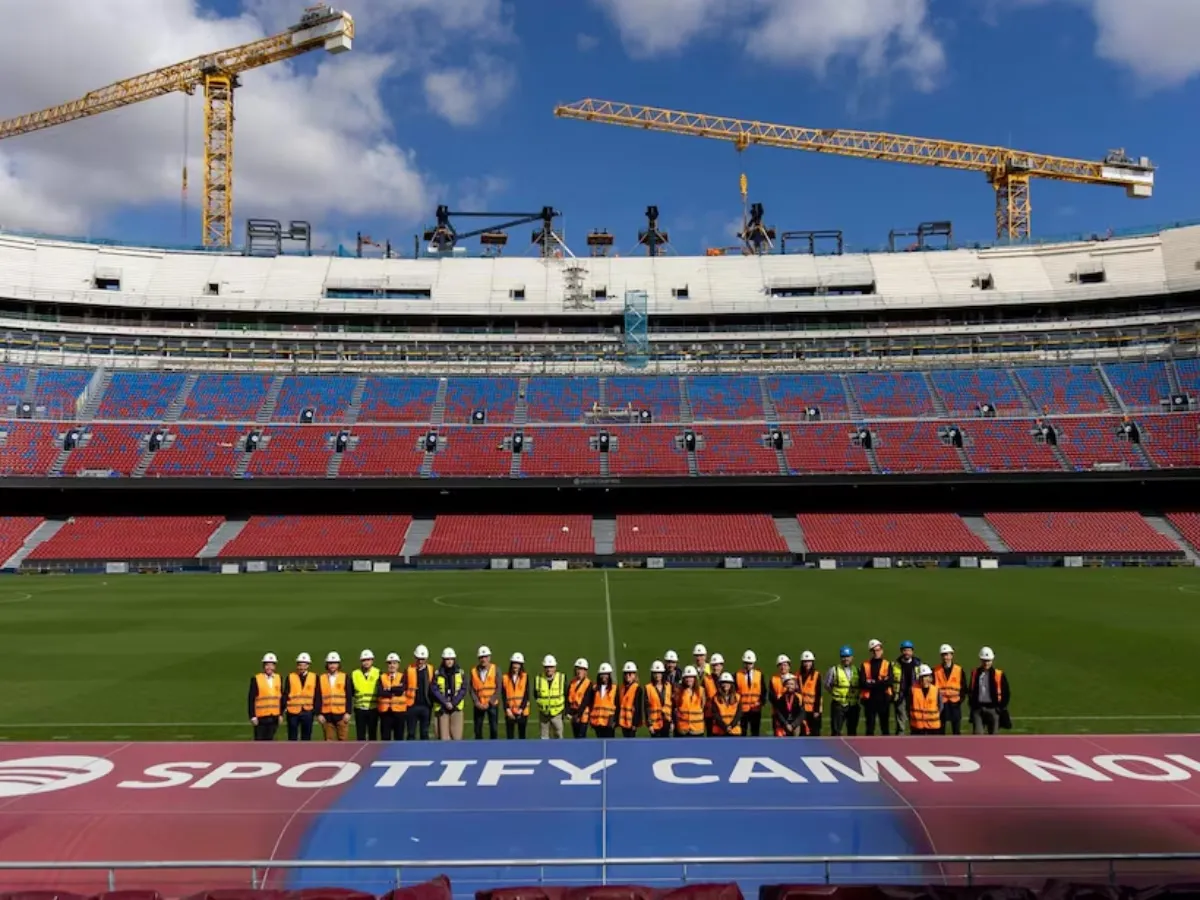
Among the remaining contenders are iconic stadiums such as the Santiago Bernabéu, Metropolitano, Camp Nou, RCDE Stadium, San Mamés, Anoeta, La Cartuja, Gran Canaria, and La Romareda. Both the Bernabéu and Camp Nou are vying for the opportunity to host the final match, while Gran Canaria has raised concerns regarding funding. Additionally, Anoeta faces local resistance, complicating its bid in the eyes of FIFA.
The Metropolitano stadium is also under scrutiny due to its busy schedule of concerts and events, which poses logistical challenges as FIFA requires control of the venue months prior to the tournament. This situation conflicts with commercial exploitation and raises questions about the feasibility of closing the venue for extended periods for a limited number of World Cup matches.
Valencia and the Nou Mestalla, which have successfully navigated issues between the club and city council, are emerging as strong candidates to join the project. Vigo continues to push for the inclusion of Balaídos, though doubts persist about the extent of its proposed renovations. The Royal Spanish Football Federation (RFEF) has assured that there is a contingency fund available to address any unexpected challenges related to the 2030 World Cup and to facilitate adjustments as necessary.
Morocco has proposed six ambitious venues, with the Hassan II Stadium in Casablanca (boasting a capacity of 115,000) serving as its flagship site. Meanwhile, Portugal is focusing on its three major stadiums: Da Luz, José Alvalade, and Do Dragão. Should FIFA decide to concentrate the venues, there may be a reduction in options among the partners, and Fez is considered the most vulnerable candidate within Morocco's proposal.
As reported by radiomitre.cienradios.com.