The Legal Disputes Following the African Cup of Nations Final
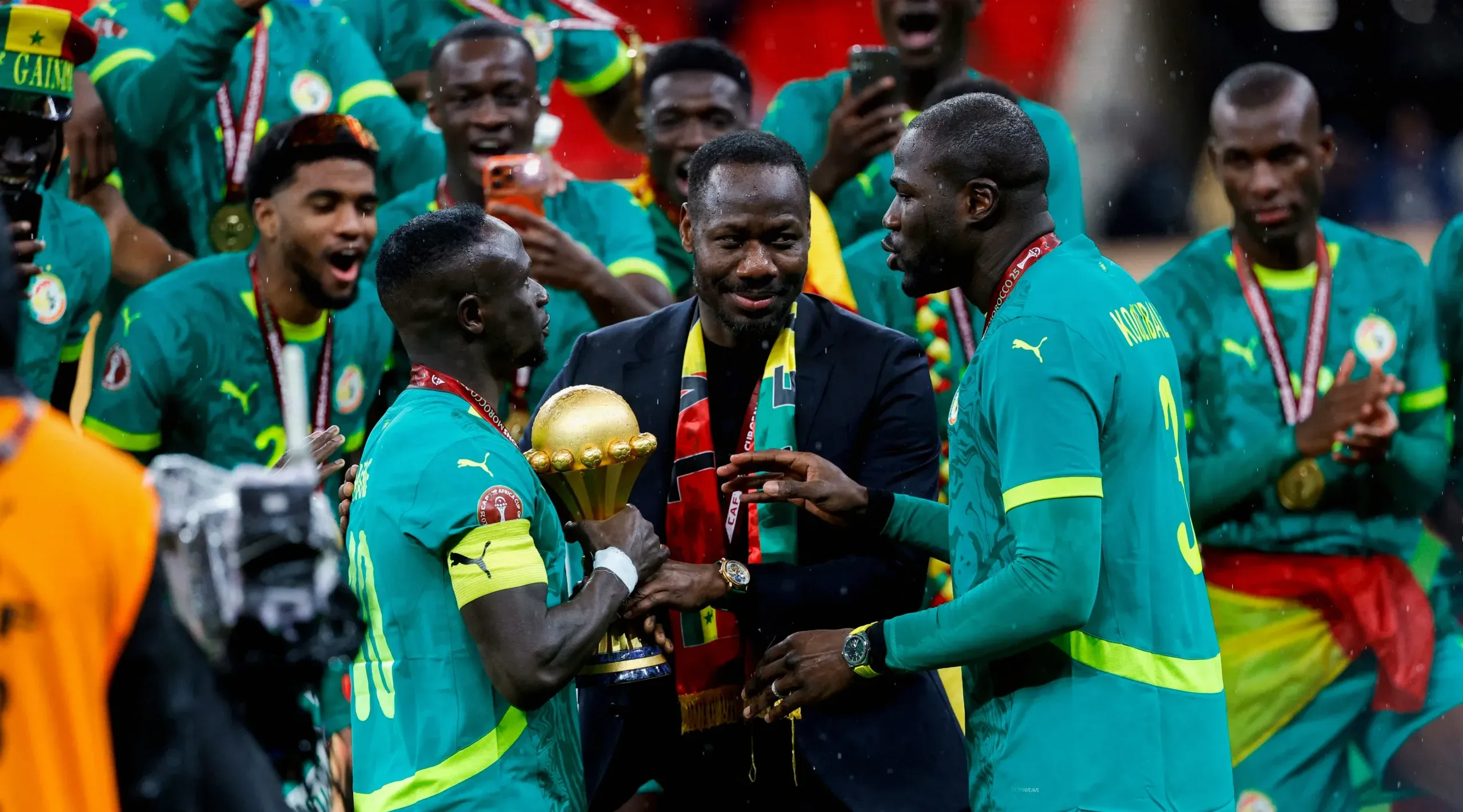
A crisis is currently engulfing African football, extending far beyond the events that unfolded on the pitch. The final moments of the recent Africa Cup of Nations final have triggered a legal battle between Senegal and Morocco that has escalated to the courts and remains unresolved to this day. This dispute has not only polarized public and media opinions but also carries implications that could transcend the mere title of the champion. The situation has evolved into a complex conflict after Senegal's appeal was accepted by the Court of Arbitration for Sport (CAS). This pivotal decision has shifted the matter from a disciplinary issue immediately following the match to a legal process that demands a definitive resolution.
The anticipation surrounding the final ruling is palpable; it is expected to clarify the identity of the champion from that controversial final. However, the social and media impact appears poised to continue, as the controversy has created opposing factions, and the interpretations of the events during the final moments have failed to reconcile differing views. Amidst this climate of confrontation, a Moroccan journalist articulated the sentiments prevailing in Morocco during an interview held near the friendly match between Morocco and Ecuador. He remarked that the situation had been "long overdue" and emphatically stated, "This should never have escalated to this point. Senegal withdrew, and Morocco should have been crowned at that moment. That is simply the truth." Such statements illustrate that even if the CAS resolves the legal dispute, the emotional repercussions and public division are unlikely to dissipate automatically.
The Broader Implications for African Football
The crisis is no longer viewed as a simple contention between two national teams. As time progresses, the issue threatens to unveil an additional layer of conflict, potentially involving other football institutions. Reports indicate that the Moroccan Football Federation may consider filing a complaint against the French Football Federation concerning a decision related to a friendly match held in Saint-Denis, central to which is the allowance for the Senegalese team to celebrate during the event. Episodes like these are particularly sensitive in international football, where celebrations and gestures of recognition can be construed as stances in the midst of ongoing sports controversies.
This case serves as a prime example of how a football incident can disrupt the broader sports ecosystem. The aforementioned tensions extend beyond the final's outcome, expanding into the international arena and affecting organizations involved in major tournament organization, with the World Cup as an unavoidable reference point. Within this context, it is understandable why many stakeholders on the continent choose to remain silent: when an issue threatens the future of football in Africa, speaking out can pose both reputational and institutional risks.
As it stands, there is no final word on the matter. The definitive resolution from the CAS—and thus the designation of the champion—has yet to materialize. However, the outcome, even if it brings an end to the legal dispute, has the potential to resonate beyond the trophy itself. The anticipated impact could mark a turning point in the history of African football: a continent striving to establish itself and align in level and structure with European and South American counterparts while still grappling with conflicts such as this one that cast a heavy shadow over its development.
As reported by redamazonica.org.