
The competition for hosting the 2030 FIFA World Cup transcends mere logistics and stadium selection; it is fundamentally a battle of national visions and future aspirations. While Spain is embroiled in discussions regarding potential host cities, necessary reforms, and administrative responsibilities, Morocco seems to grasp that the World Cup represents more than just football. It is an international branding opportunity, an avenue for investment, infrastructure development, and geopolitical positioning.
The prospect of hosting the final match at the iconic Santiago Bernabéu Stadium remains a significant talking point for Spain. With its rich footballing tradition, the global appeal of its clubs, and extensive organizational experience, Spain possesses assets that are hard to rival. However, relying solely on historical prestige could be a grave miscalculation.
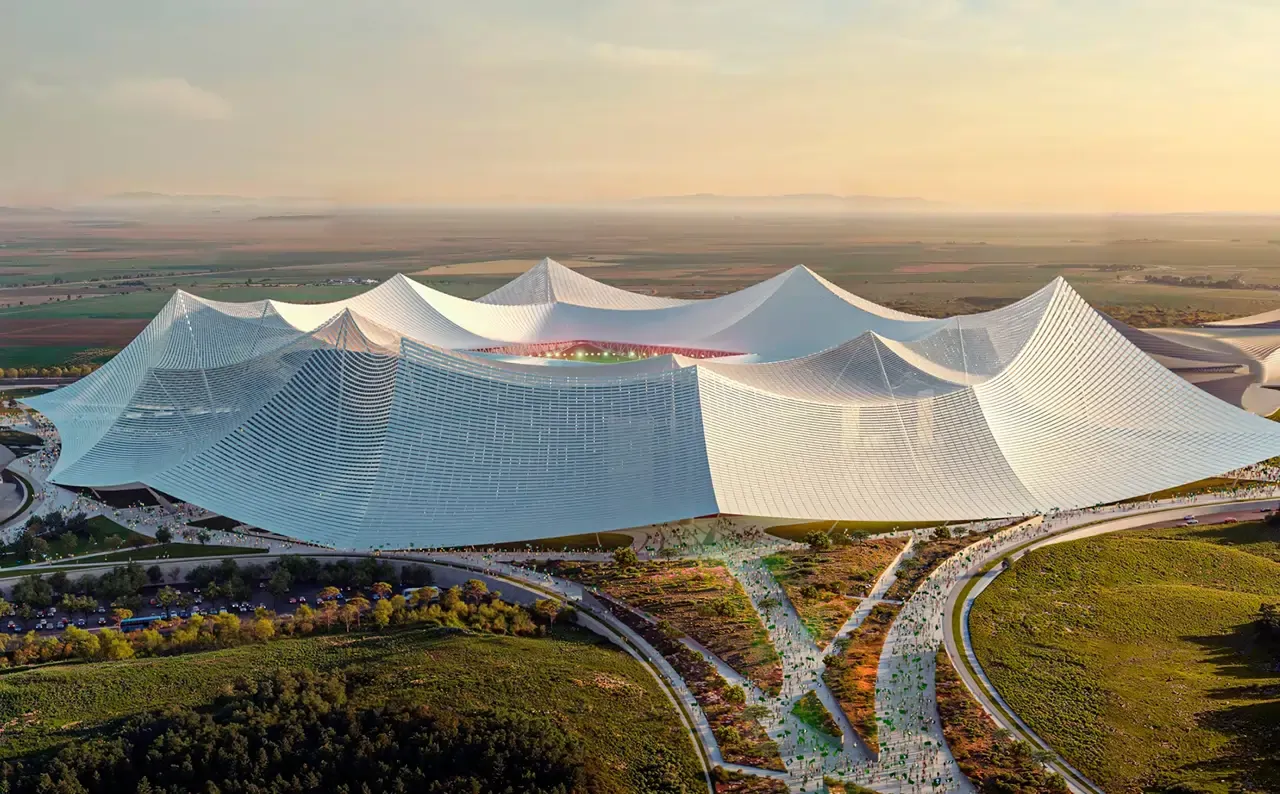
Across the Strait of Gibraltar, Morocco is executing a different strategy: less public debate, more visible planning, and a coherent narrative. The nation is not just showcasing stadiums; it is unveiling a comprehensive national project. Institutional visits, significant investments in infrastructure, international promotion, and direct government involvement convey an image of ambition that is resonating on a global scale. The underlying message is clear: the 2030 World Cup should serve as a testament to Morocco's capabilities.
In contrast, Spain occasionally projects an aura of uncertainty. Questionable venues, pending decisions, and administrations awaiting confirmations before committing investments create a sense of hesitation. This cautious approach may seem logical from a public management perspective, but in a global competition where every detail matters, delays can carry significant consequences.
The core issue isn’t Morocco's desire for a more prominent role; that aligns with the collective project logic. The real concern lies in whether Spain risks diminishing its influence due to its indecisiveness. Organizing a World Cup demands more than just historical stadiums; it necessitates political leadership, institutional coordination, and the ability to transform a sporting opportunity into a national strategy.
Spain starts with the upper hand in footballing history, yet Morocco appears to have gained an advantage in execution speed. Often, in major international competitions, victory does not necessarily go to the nation with the richest history, but rather to the one that convincingly demonstrates its readiness to write the next chapter.
As reported by teleceuta.com.