King Mohammed VI Commemorates Laylat al-Qadr
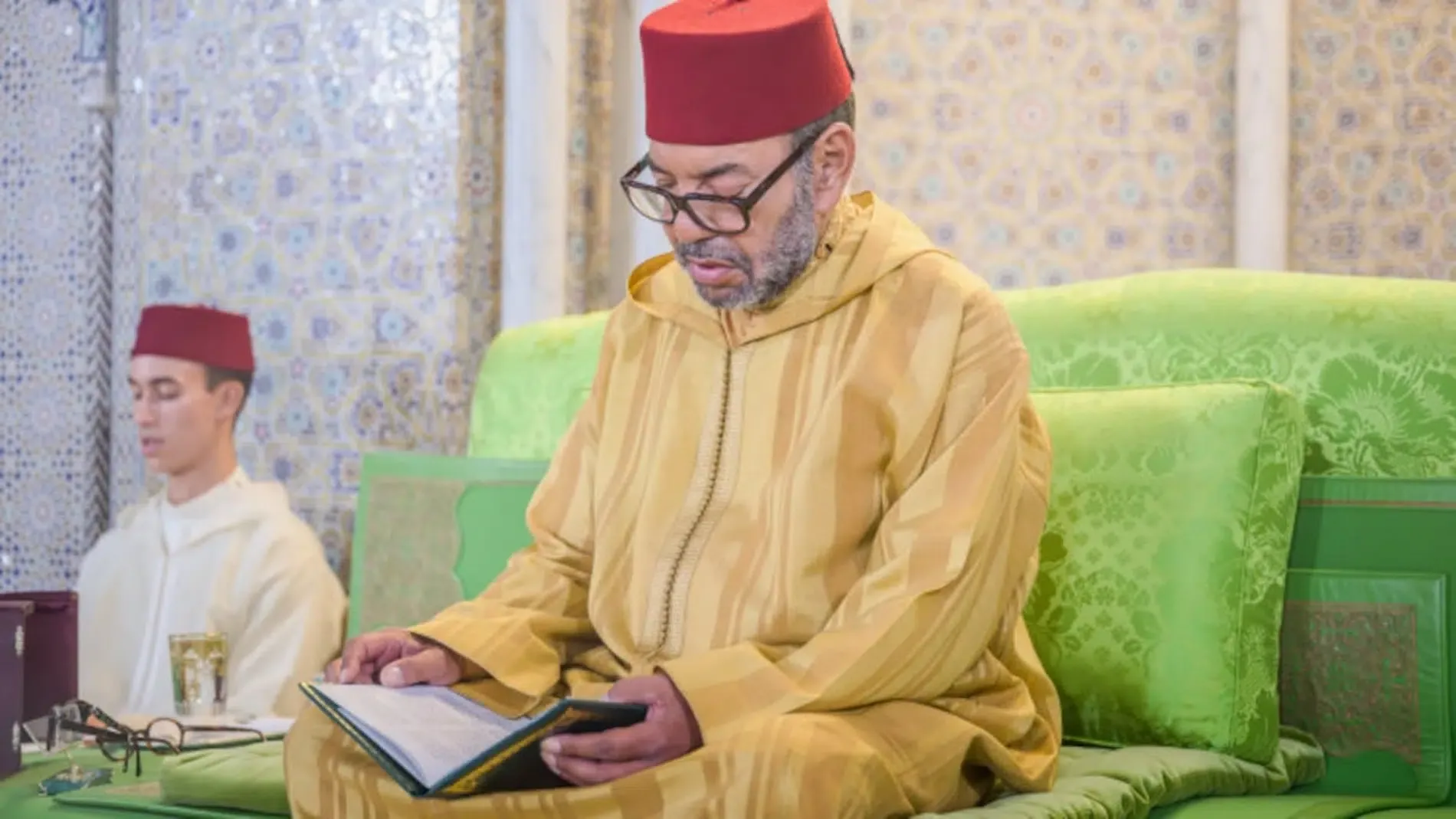
On the evening of March 16, 2026 (26th Ramadan 1447), King Mohammed VI participated in a religious vigil at the Royal Palace in Rabat, marking the observance of Laylat al-Qadr, known as the 'Night of Decree' in Islam. This night holds profound significance as it is regarded as the most important moment during the holy month of Ramadan. Accompanied by close members of the royal family, including Crown Prince Moulay El Hassan, the king's presence underscored the deep religious and cultural roots of the monarchy within Moroccan society.
Religious and Cultural Observances
Theologically, Laylat al-Qadr is celebrated as the night when the first verses of the Quran were revealed to the Prophet Muhammad. According to Islamic tradition, this night is considered 'better than a thousand months,' prompting Muslims worldwide to engage in intense prayers and seek divine forgiveness during this sacred time. In Morocco, this night is intricately linked with state ceremonies that intertwine spiritual significance with national identity.
A central aspect of the ceremony was the recognition of outstanding achievements in Islamic scholarship. Idriss Ben Daouia, the President of the Scholars' Council of Larache, completed the recitation of 'Sahih Al-Bukhari,' paving the way for a focus on nurturing the younger generation. A particularly symbolic moment was the award given to ten-year-old Zaid El Bakkali from Salé, who was honored for memorizing the entire Quran.
These awards are part of a long-term state strategy aimed at preserving Morocco's religious heritage while promoting an education-oriented interpretation of faith. In addition to the prizes for young reciters, the Mohammed VI 'Ahl Al-Qurâan' and 'Ahl Al-Hadith' awards were presented to scholars from Fes and El Jadida.
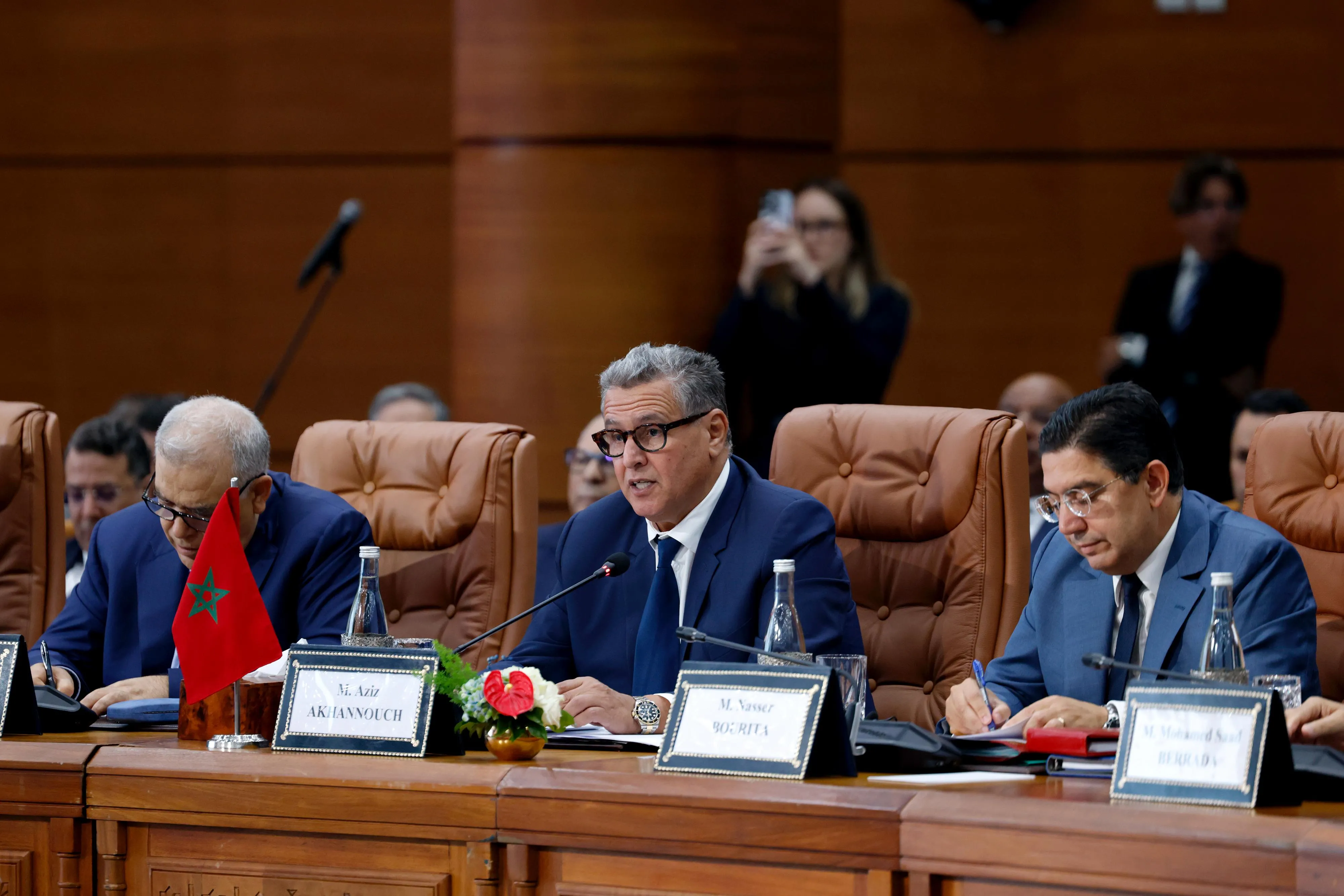
The event also served as a gathering for political and military elites. Alongside the Prime Minister and the presidents of the parliamentary chambers, high-ranking officers and representatives of the diplomatic corps attended. This setting illustrates the close connection between religious authority and state leadership. During the vigil, prayers were traditionally offered for divine support for the king's initiatives and the progress of the nation, with remembrance of the late monarchs Mohammed V and Hassan II. Thus, the ceremony reinforces both the religious identity and political continuity of the Kingdom of Morocco.
As reported by maghreb-post.de.