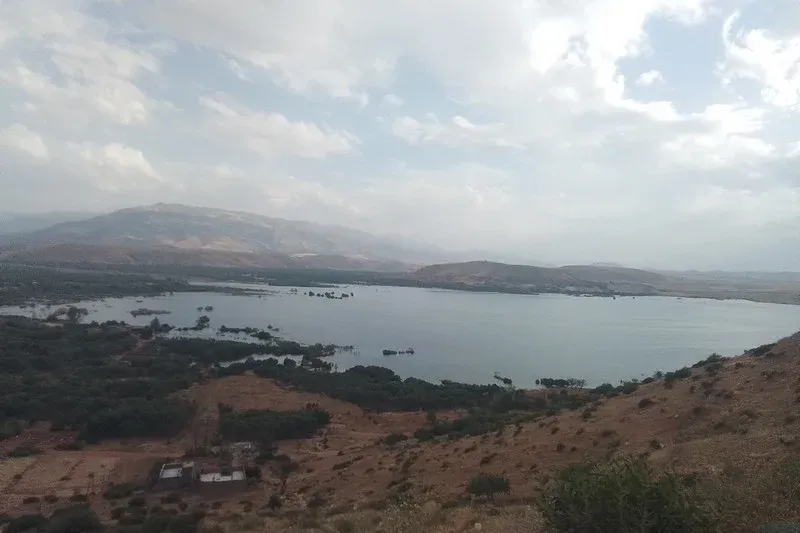

The construction of the Ait Ziad Dam, a monumental project located in the Al Haouz region, is nearing completion, having recently been inundated by rainfall, which has resulted in a significant filling rate. This raises essential questions about whether the dam will serve as a strategic lever for achieving social, economic, and tourism development in the Marrakech-Safi region. Furthermore, it prompts inquiries regarding its potential contributions to environmental development, the transformation of the surrounding lake area into a prime destination due to the natural endowments of Al Haouz, and the potential stimulus for tourism investment. Additionally, one must consider the fate of the roads, bridges, and pathways that will facilitate recreational and service projects for the benefit of the neighboring communities.
Said Ouzmo, the head of the Ait Ziad Dam project, clarified that this water facility is part of the National Drinking Water Supply and Irrigation Program for 2020-2027, which aims to ensure the sustainability of water resources and enhance water security. The dam is expected to provide Marrakech with approximately 30 million cubic meters of drinking water annually while irrigating significant agricultural areas downstream, with an annual volume ranging between 40 and 78 million cubic meters. Ouzmo further elaborated that the project will also safeguard the population living downstream of the Zat River from flood risks and is anticipated to bolster agricultural activities by improving irrigation systems and enhancing arable land, thereby stimulating local development dynamics by alleviating isolation in several rural areas and enhancing the appeal of eco-tourism.
From an environmental perspective, the dam is expected to help maintain ecological balances and mitigate the impacts of drought and climate fluctuations, aligning with national efforts in water stress management. Water storage in the dam commenced on February 24, 2026, reaching a storage volume of 45 million cubic meters by the 13th of the current month, equating to approximately 24% of its capacity. Ouzmo confirmed that the project has had positive effects, providing around 450,000 person-days of employment, with most benefiting local labor. Additionally, 13 kilometers of roads and pathways have been constructed to connect nine rural villages, along with the establishment of four educational institutions, one health center, and four mosques for the surrounding population, as well as the electrification of public facilities and new housing near the dam, alongside the drilling of a well in the Ait Faska commune to enhance drinking water supply for the city of Ait Ourir.
Said Bougrif, a researcher in the tourism sector, emphasized that the Ait Ziad Dam presents a strategic water reservoir that enhances water security in Al Haouz and its surrounding areas, especially during droughts and climate change periods. Concurrently, the dam is set to bolster food security and strengthen the local economy by supporting sustainable agriculture and providing reliable irrigation and drinking water, while also fostering local economic development through job creation linked to eco-tourism and community-related services, such as guiding and managing tourism activities, hospitality, traditional crafts, and local agricultural products. Bougrif pointed out other positive impacts, such as the development of eco-tourism products around the dam and the area, supporting the governance of the tourism project by establishing a regulatory framework that includes local residents, environmental experts, and regular assessments of environmental impact, thus strengthening sustainable tourism that is well-suited to the region's material and immaterial heritage, particularly integrated within the local environment of the Zat Valley and neighboring rivers like the Ourika.
The researcher further explained that this facility would create a model for sustainable development in the region by integrating water security with territorial development and ecological tourism, enhancing local identity while reducing spatial disparities. He highlighted the necessity of preparing an integrated plan for the Zat Valley to support the preservation of the region's environmental and identity-specific characteristics, ensuring sustainable territorial development, and mitigating negative aspects, while strengthening partnerships among public institutions, universities, civil society, and organizations specialized in environmental protection to secure funding and sustainability for eco-tourism and educational projects.
However, Ayoub Achra, a community activist from the rural commune of Khmiss Tiddily, pointed out a critical issue: the bridge of Haj Ayad near the Tamzikida village on the road linking Tiddily to Masfiyoua and Tighdouin, which connects several communities, has not received the necessary attention. Damaged by a flood in 2014, this bridge has been patched multiple times, yet the floods this year have rendered it completely impassable. This bridge has been the subject of correspondence directed to the Ministry of Equipment by the Khmiss Tiddily rural commune since a study in 2014, with the last correspondence occurring just before the commencement of dam construction, aimed at mitigating flood threats. This situation reflects a lack of clear vision regarding a crossing that should connect natural areas, which are expected to be tourist destinations for visitors to this water facility. However, the bridge currently obstructs those wishing to explore the surrounding natural areas of the dam.
Achra emphasized the bridge's significance as the only access point between several communities surrounding the dam, linking the villages in these mountainous areas to the city of Marrakech, with a route passing through the center of Ait Ourir, alongside National Road 09 (to Ouarzazate). This has prompted civil society in the Tiddily Masfiyoua commune to convene a meeting advocating for combined efforts from all actors to prioritize the reconstruction of this bridge as soon as possible. Given the importance of this bridge, which accommodates various vehicles, including school transport and ambulances, civil society recently held a meeting to discuss this dilemma. Among the recommendations was to draft a petition from the associations of the Tiddily Masfiyoua commune and the Tighdouin commune to be presented to the governor of Al Haouz, advocating for the construction of a bridge that meets engineering standards befitting the value of this water facility and the aesthetic appeal of the area, thereby facilitating visits to the Ait Ziad Dam and the Tighdouin tourist resort while allowing enjoyment of the breathtaking views of the High Atlas mountains.
In the recent meeting held at the Tiddily Masfiyoua commune’s headquarters, local actors discussed the pressing issues facing the villages adjacent to the dam, including another concern regarding the roadways on either side of the Ait Ziad Dam. The discussions culminated in the formation of a local committee composed of representatives from the affected villages, as residents experience an acute crisis due to the dire condition of these roads. This committee aims to continue dialogue with officials to advocate for the urgent paving of these routes.
As reported by hespress.com.