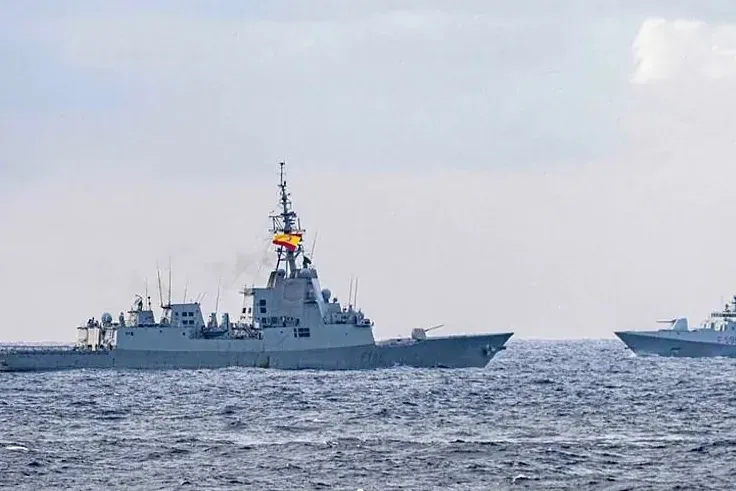

Understanding the Role of Military Bases in Spain
American conservatives are currently steering discussions towards the significance of military facilities in Spain, particularly in light of their strategic importance to U.S. interests in the region. Experts assert that these bases are critical for controlling access to vital maritime routes, including the western Mediterranean and the Suez Canal. The historical context of these military installations dates back to March 12, 1986, when Spain held a referendum confirming its membership in NATO, with 56.85% of voters supporting continued participation in the Atlantic Alliance. This pivotal decision marked the beginning of Spain's commitment to being a reliable NATO ally and a significant partner for the United States.
On December 1, 1988, the Defense Cooperation Agreement was signed, which delineated the operational framework for U.S. military bases in Spain, including those in Torrejón, Zaragoza, Rota, and Morón. Over the years, the agreement has evolved, leading to the withdrawal of U.S. forces from Zaragoza and Torrejón as focus shifted towards the more strategically essential Rota and Morón bases. Nearly four decades after the initial referendum, the value of these bases has come under scrutiny amid deteriorating relations between Spain and the U.S.
Political Turbulence and Military Necessity
Recent comments from conservative Senator Lindsey Graham have sparked renewed debate over the presence of U.S. military bases in Spain. Graham urged President Trump to consider relocating all U.S. bases, questioning the rationale of maintaining military operations in a country that he perceives as uncooperative. In response, Spanish Foreign Minister José Manuel Albares reiterated his stance of refraining from commenting on political opinions, emphasizing that he has received no official indications regarding any potential changes to the military presence. Sources familiar with the situation describe the debate surrounding these bases as largely performative, suggesting that serious advisors understand the limited options available without further escalation.
The Defense Cooperation Agreement remains valid for eight years but automatically renews annually unless amendments are made, with the last significant discussion occurring in 2020 when Joe Biden assumed the presidency. The next renegotiation is anticipated in 2028. The geopolitical landscape shifted dramatically following Russia's invasion of Ukraine in February 2022, prompting NATO allies to bolster defense strategies, resulting in heightened military cooperation between the U.S. and Spain.
On May 8, 2023, a new agreement was established to enhance the U.S. naval presence at Rota, allowing for the deployment of two additional Navy destroyers to the base. This move is expected to increase the number of U.S. destroyers stationed there from four to six by 2026, while maintaining a cap on personnel levels. The strategic location of Rota not only serves to fortify European missile defense but also acts as a critical gateway to the Mediterranean for U.S. naval operations, facilitating rapid deployment to conflict zones.
As discussions regarding the future of U.S. military bases in Spain continue, the underlying necessity of these facilities for national and allied security cannot be overlooked. The Rota base, in particular, plays a vital role in regional stability, underscoring the importance of continued cooperation between Spain and the United States amidst political turbulence.
As reported by mundoamerica.com.