The Diplomatic Maneuvers of King Mohammed VI
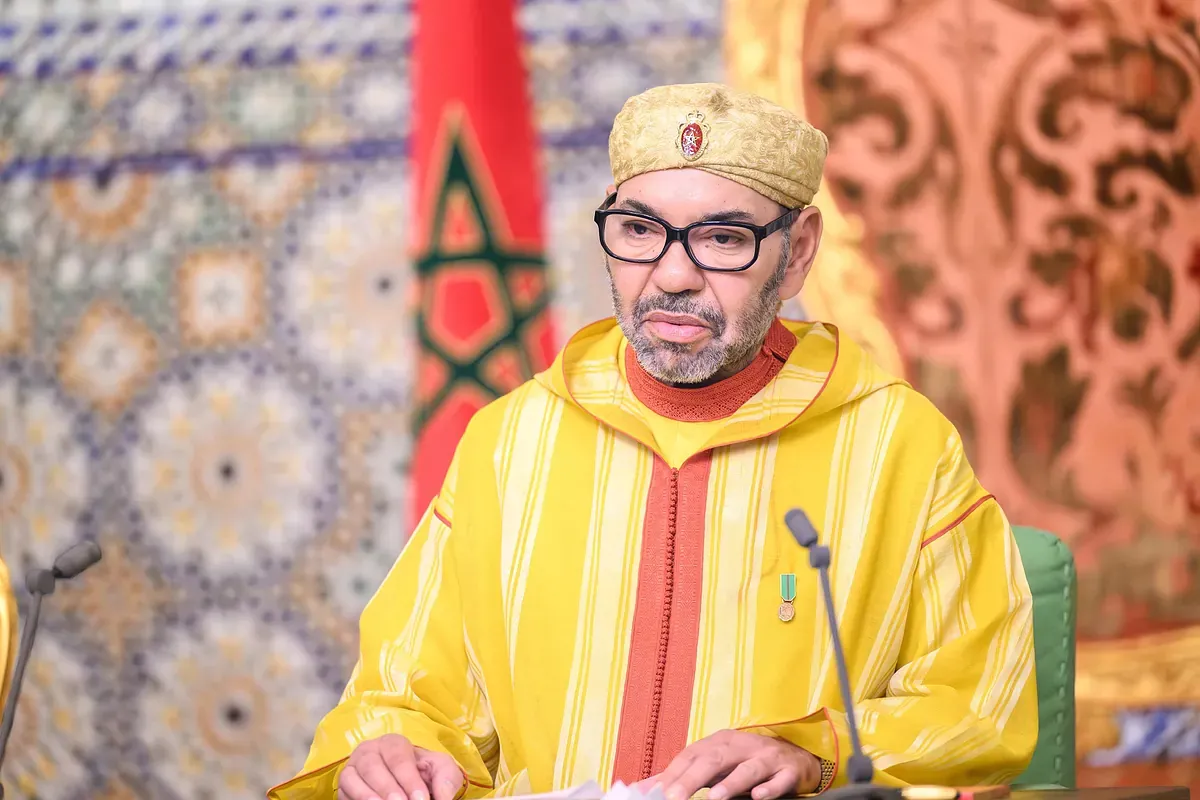
King Mohammed VI of Morocco has been aptly described as "the king of grand diplomatic maneuvers" by the French newspaper Le Monde. In a detailed analysis published last August, the paper highlighted the shrewd and often quiet international activism of the Moroccan monarch, particularly focusing on two fundamental issues that have dominated the throne's agenda in recent years: the irrefutable Moroccan sovereignty over Western Sahara and the normalization of relations with Israel. This diplomatic engagement has yielded significant advantages for Rabat, notably solidifying its status as a favored ally of the Trump administration in the Maghreb region, with unequivocal support for Morocco’s claims over the former Spanish colony.
Despite the internal weaknesses of Morocco's authoritarian regime—evidenced by a recent social uprising demanding improvements in healthcare, education, and future opportunities—the king has adeptly transformed diplomacy into a formidable tool of power. This strategic shift has allowed the monarchy to evade scrutiny regarding the increasingly apparent flaws within the system. The Moroccan authorities have viewed the Western Sahara issue not only as a long-standing banner since the Green March of 1975 but also as a powerful catalyst for galvanizing Moroccan nationalism, providing citizens with a potent distraction from the economic, social, and corruption crises plaguing the nation. In the realm of diplomacy, former President Trump essentially served Western Sahara on a silver platter to Mohammed VI, as a UN Security Council resolution legitimized Rabat's de facto control over the vast and resource-rich territory, currently in the process of decolonization according to the United Nations.
Military Escalation and Regional Alliances
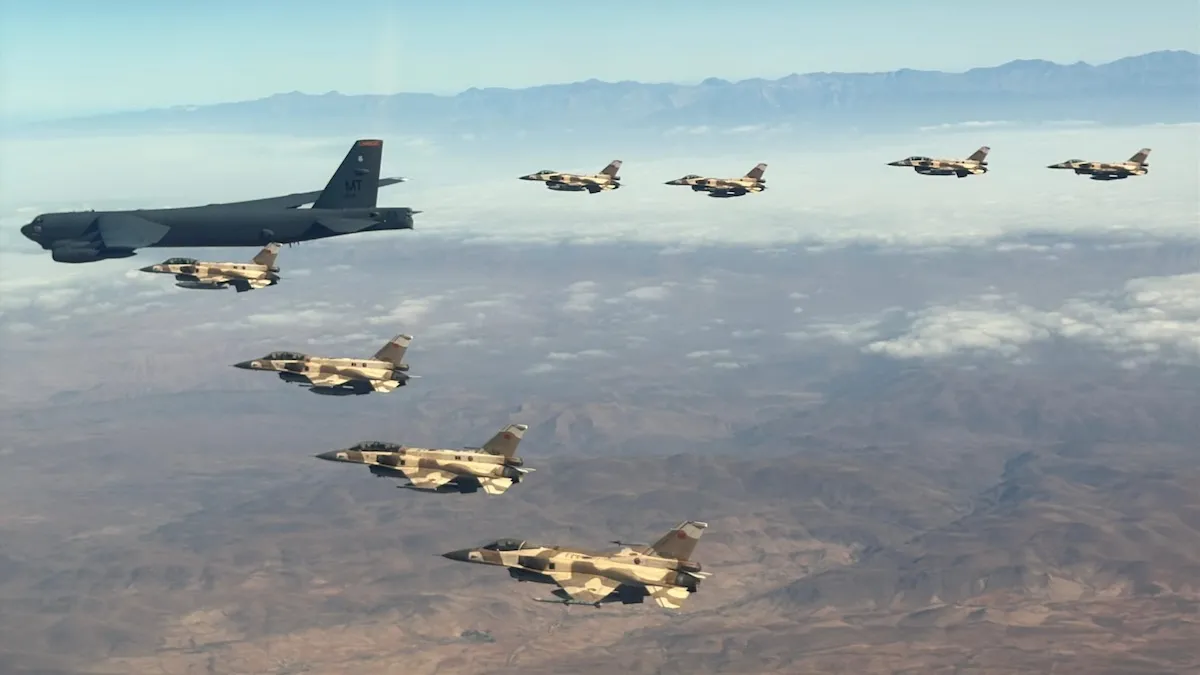
Recent military actions highlight Morocco's increasing assertiveness, particularly an attack on the Polisario Front utilizing drones. This move serves as a clear warning amid the ongoing geopolitical reconfiguration, showcasing Morocco's sense of impunity bolstered by the overt support from Washington and Tel Aviv. In a remarkably short time, Morocco has witnessed Spain, France, and several African powers capitulate to its territorial demands. It is important to note that such attacks in Western Sahara have become alarmingly frequent since 2020, particularly following the death of leader Lahbib Mohamed Abdelaziz, signaling a qualitative leap in the conflict. The clashes between the two opposing parties intensified after the Polisario’s cessation of hostilities, especially in the expansive desert areas east of Morocco's fortified defense wall, a barrier exceeding 2,700 kilometers that separates the territory from the rest of the world. With military support and advanced weaponry from the United States and Israel, Morocco's surveillance and operational capabilities have significantly improved, further complicating the conflict.
On December 20, 2020, Morocco became the fourth Muslim country to normalize relations with Israel, following the United Arab Emirates, Bahrain, and Sudan, as part of the Abraham Accords facilitated by the White House. The subsequent Israeli military offensive in Gaza, triggered by brutal attacks from Hamas and Islamic Jihad, has sparked tensions within Moroccan society, which generally remains skeptical of rapprochement with the Israeli state. Despite this, King Mohammed VI has maintained a firm grip on the situation. While there have been substantial protests in major cities like Rabat, the regime has responded with intense repression, as NGOs on the ground report, to thwart mobilizations in support of Gaza and Palestine. The Alaouite monarchy, which presides over the Al-Quds Committee created by the Organization of Islamic Cooperation to protect the holy city, has largely sidelined the Palestinian cause in exchange for the invaluable support provided by Tel Aviv and Washington in reinforcing Moroccan claims over Western Sahara.
Simultaneously, the ongoing reconfiguration of alliances within the Muslim world, particularly due to the multifaceted conflicts in the Middle East and the offensive against Iran, has been skillfully leveraged by Mohammed VI to enhance Morocco's diplomatic influence. One of the most fruitful tactical moves for Rabat has been the strengthening of its pact with key players in the ongoing conflict, such as the United Arab Emirates. The Moroccan monarch has positioned himself as a mediator between Abu Dhabi and Riyadh, thanks to his longstanding strategic relationships, including with Saudi Arabia. This rivalry among the Gulf's Sunni powers has created significant opportunities for Morocco, as differing interests in Yemen, the Sudanese conflict, and economic disputes regarding Iran have positioned Rabat as a "balancing power," earning it greater weight in Muslim diplomatic circles. The recent visit of UAE President Sheikh Mohammed bin Zayed Al Nahyan to meet with Mohammed VI underscores Morocco's rising prominence as it focuses its efforts on securing its claims over the coveted territory of Western Sahara.
In this context, Morocco has quietly garnered significant African allies in its territorial claims through active diplomacy, often backed by financial incentives. In April, the Polisario Front suffered another blow when Mali severed ties with the self-proclaimed Sahrawi Arab Democratic Republic, 40 years after its recognition. Bamako followed the lead of other nations in the Sahel and across the continent, including Zambia and Ghana, which have begun to endorse Morocco's autonomy plan for Western Sahara. Rabat is offering Sahel countries that support its claims access to the Atlantic Ocean and has been using lucrative contracts in the region to win over even the staunchest opponents.
The rise of jihadist movements in North Africa further solidifies Morocco's role as a regional gendarme, both to its neighbors and to an apprehensive Europe. Today, King Mohammed VI is well aware of his strengthened position as the de facto ruler of Western Sahara.
It is disheartening to witness Spain, a nation that fought for centuries against subjugation, not only remain passive but also complicit with a tyrant, failing to uphold the United Nations' mandate for decolonization while still being the de jure administering power. This situation is both shameful and infuriating for many, including myself and my family. I hope that the next government will return to the path of international legality and fulfill its obligations by supporting the recognition of the citizens of our former colony's inalienable right to determine their future status through a democratic referendum.
As reported by elmundo.es.