
Systematic Undermining of Moroccan Citizens
Amin Bouchaib, a Moroccan writer residing in Italy, asserts that the current situation faced by Moroccans transcends being a mere transient crisis of rising prices or a simple reflection of international market fluctuations, a narrative that the government seeks to propagate through its official media and spokespersons under the guise of "illusory achievements." He emphasizes that what is occurring is far more perilous, stating, "We are confronting a systematic policy aimed at dismantling the will of the Moroccan citizen, instilling a sense of helplessness and daily humiliation, transforming the demand for freedom, dignity, and social justice into a distant dream."
Bouchaib points out that the signs of this political and social vendetta began to emerge the moment Moroccans took to the streets demanding their rights to freedom, justice, and the fight against corruption and tyranny. Once the populace broke the barrier of fear and raised their voices against the monopolization of wealth and power, certain influential circles began to view citizens not as partners in the nation but as adversaries to be subdued and returned to a state of compliance.
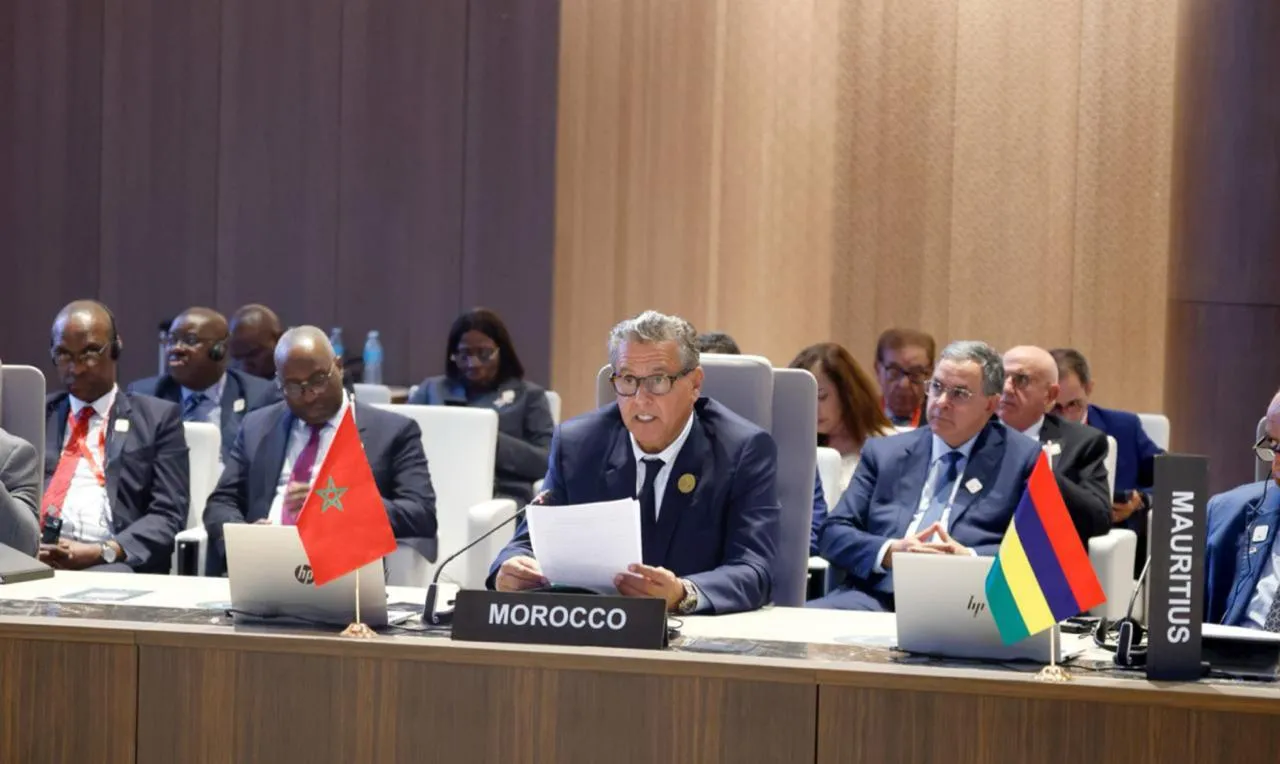
He recalls the time when Moroccans launched a grassroots boycott against companies linked to Aziz Akhannouch, illustrating the mindset governing the country. On that occasion, citizens were not regarded as free consumers exercising their legitimate right to economic protest; instead, they were treated as "rebels" deserving of punishment. The condescending rhetoric used by Akhannouch, calling for a "re-education" of the populace, echoes a disturbing view of the citizens as mere sheep to be trained in submission rather than being listened to regarding their valid demands.
The Burden of Economic Hardship
Since that pivotal moment, Bouchaib notes, it appears there has been an unspoken decision to propel Moroccans further into impoverishment and psychological and social pressure. Prices have skyrocketed for essentials such as oil, sugar, vegetables, meat, fuel, transportation, electricity, water, education, and healthcare. Even the most basic conditions for a decent living have become an overwhelming burden for millions of Moroccan families. Meanwhile, salaries remain stagnant, as if it is expected that citizens shoulder the entire burden of political and economic failures.
The rampant price escalation witnessed in Moroccan markets, according to Bouchaib, is not merely a transient economic anomaly but rather a direct consequence of the alliance between power and money, coupled with monopolistic control over the market by influential lobbies. The Akhannouch government does not exist to safeguard the purchasing power of Moroccans but rather to protect the interests of major monopolists, even at the cost of crushing the middle class and driving the impoverished toward despair and collapse.
For many Moroccans, the state has morphed into a vast tax-collecting machine that raises prices, burdens with taxes, reduces services, and leaves citizens to fend for themselves against hunger, unemployment, sickness, and despair. Even more alarmingly, there are those who attempt to convince the populace that their suffering is a "natural fate" and that those who complain are merely exaggerating or serving "suspect agendas."
However, the undeniable truth is that Moroccans are no longer seeking luxury; they are merely demanding the right to live with dignity in their homeland. They desire a state that protects them, not a regime that punishes them, an economy that serves the people rather than monopolistic lobbies, and leaders who empathize with the people's pain instead of boasting about statistics and empty speeches.
The most dangerous action any authority can undertake is to make its citizens feel that their homeland no longer accommodates them. While people might endure poverty for years, they will not forgive humiliation, nor will they forget those who have turned their daily lives into a hell of soaring prices, fear, and helplessness. Moroccans, who have long suffered in silence and swallowed the bitterness of marginalization and disdain, understand now more than ever that the crisis extends beyond mere prices; it is a crisis of governance, mentality, and a power structure that has chosen to align itself with wealth and influence against the people.
When paying an electricity bill becomes a battle, and securing a bite to eat turns into a nightmare for Moroccan families, it is clear that the issue has escalated beyond a mere government failure; it signifies a profound moral and political collapse. A state that cannot protect the dignity of its citizens or ignores their suffering is essentially inviting anger, loss of trust, and potential social upheaval. The pressing question that haunts Moroccans daily is: how long will this nation continue to demand patience from the poor while its coffers are opened to lobbies of speculation and monopolization? And how long will the people be compelled to pay the price for policies they did not choose and governments that only heed the voices of the wealthy and powerful?
As reported by ech-chaab.com.