
The Deteriorating State of the Sahrawi Orthopedic Center
For the past four years, the International Red Cross has ceased funding the orthopedic center located within the National Hospital of the Sahrawi Republic. This situation has prompted a deeper investigation by 'Público', which visited the facilities to understand the ramifications of an NGO's withdrawal from a territory heavily reliant on humanitarian aid. The Sahrawi population, displaced for over fifty years due to the colonization efforts by Morocco and Mauritania, has become increasingly dependent on external assistance, leaving the orthopedic center grappling for resources and support.
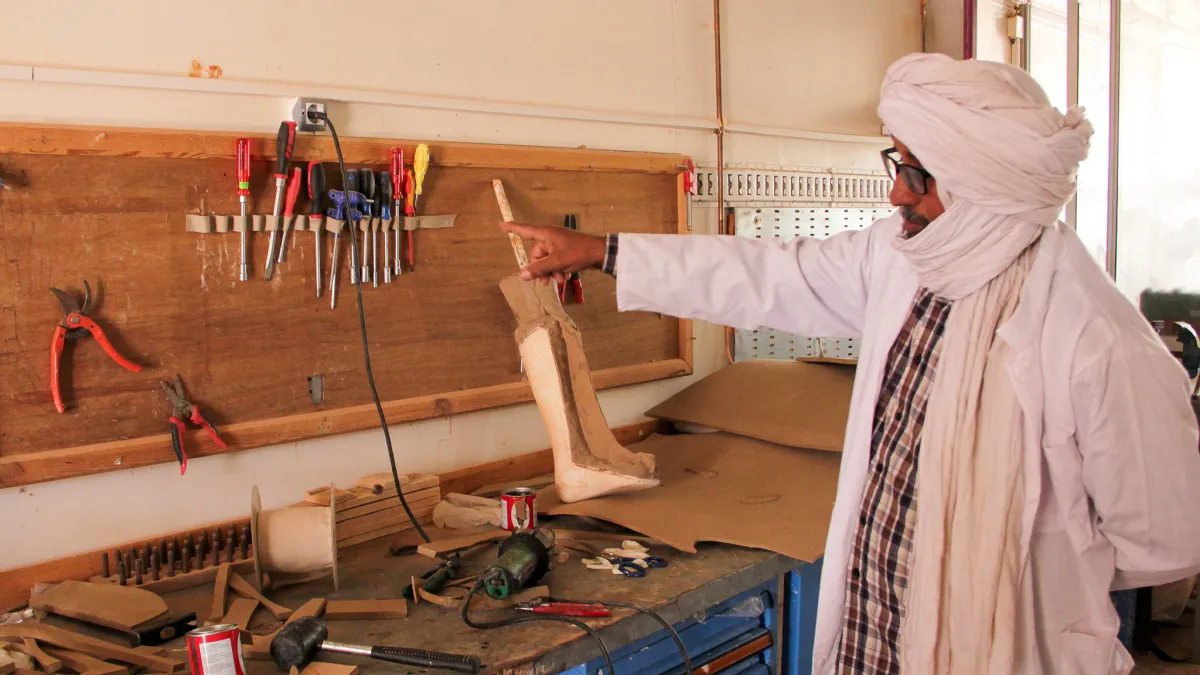
Salik Abidi Bashir, currently managing the center, reflects on the stark reality he faces. In a workshop filled with dust and remnants of what used to be operational equipment, he opens an empty drawer that once held screws, stating, “I arrived in February, and they left me nothing.” The center, though still standing, is visibly suffering from a lack of supplies. Previously, from 2008 to 2023, the center was supported by the International Red Cross, but the exact figures regarding this funding remain undisclosed as the organization refrains from sharing financial information. The Red Cross has indicated that its departure was linked to global financial constraints that drastically reduced its budget, leaving the local health authorities in an untenable position.
With the Red Cross’s exit, only a fading sign with its logo remains on one of the center's doors, a reminder of its former operational status. By retracting certain equipment while leaving behind other machinery, the organization effectively severed the supply line essential for the center's operations. Alien Abdullah, the current director of Cooperation for the Health Ministry, expresses his frustration, stating, "If they want to make a mockery of us, they can say so. You cannot transfer the management of this center to the Ministry of Health and leave it like this; we don’t even have a budget to buy wheelchairs.” Abdullah, who has been involved with the ministry since 1995, highlights the dire need for funding and resources to continue providing essential care to the Sahrawi people.
Adapting to Scarcity Amidst Growing Needs
Despite the challenges, the orthopedic center continued to serve an average of 30 patients daily up until 2023, but now, that number has dwindled to just 30 patients per month. This drastic decrease is not due to a decline in need; rather, it reflects the severe limitations in resources and personnel. Saadaa Dat, a physiotherapist at the center, notes that the workforce has shrunk from 13 to just 8 employees, all of whom are tied to the Ministry of Health. The reality is stark: without adequate materials and staff, the center cannot function as it once did. The demand for orthopedic care is compounded by the high incidence of amputations among the Sahrawi population, a grim consequence of the mines and explosive remnants of war left by Morocco.
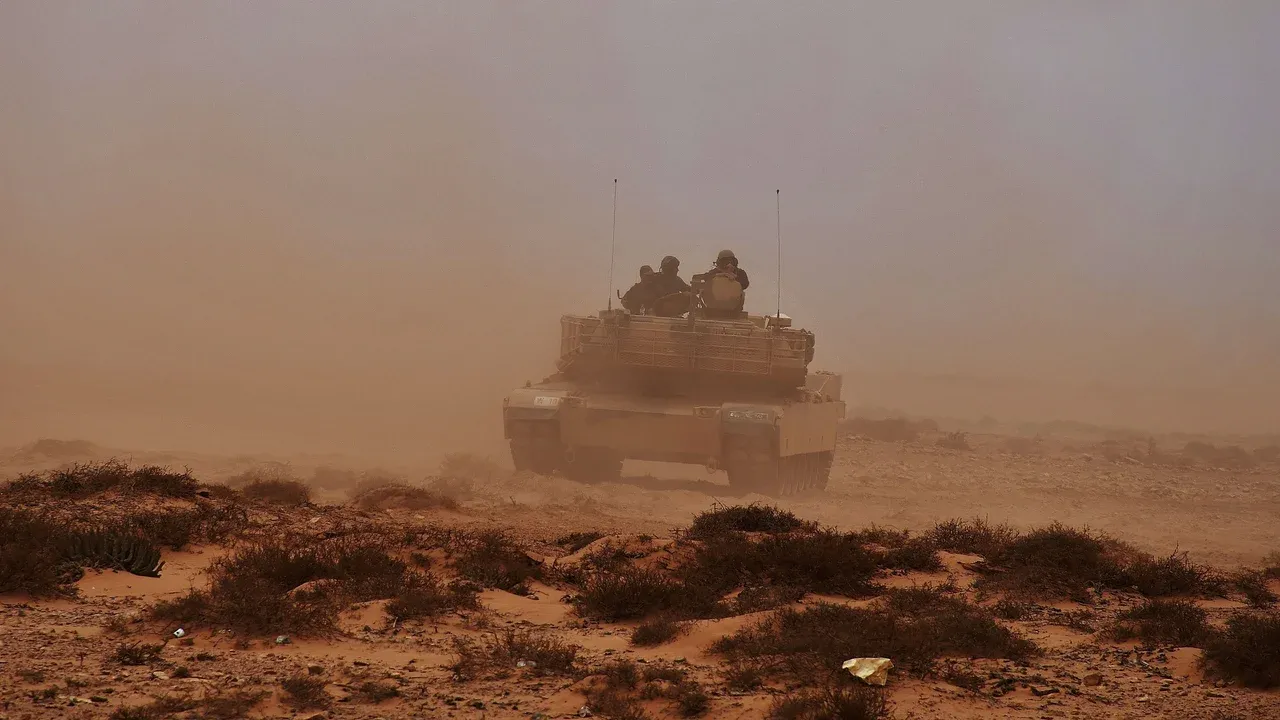
According to the United Nations Mine Action Service (UNMAS), millions of mines were buried in the desert by Moroccan forces, particularly along the wall built in 1976, resulting in numerous civilian casualties. However, the center also caters to a broader spectrum of patients, including those with diabetes and various deformities, seeking prosthetics and orthopedic devices. Unfortunately, since 2023, the center has struggled to meet these needs. Abidi Bashir recounts a recent incident where a child required a custom shoe due to a discrepancy in leg length, but the center lacked the necessary glue to attach the sole. The budget constraints force them to seek basic supplies from external sources, and often, patients must resort to purchasing their own materials.
The Sahrawi people’s dependence on humanitarian aid has deepened, with many workers at the center juggling multiple jobs to sustain their livelihoods. For instance, Saadaa Dat also works as a translator, a common necessity among health workers in the region. Furthermore, public sector employees often experience payment delays, with some workers at the orthopedic center reportedly going three months without wages. The Ministry of Health claims these delays are part of the normal payment cycle, yet the frustration within the community is palpable as many struggle to make ends meet.
As the conflict with Morocco reignites, the number of patients requiring urgent orthopedic care is expected to rise, creating new challenges for the already overstretched health system. The re-escalation of violence has resulted in not only physical injuries but also a renewed demand for rehabilitation services. Health officials emphasize the pressing need for funding and resources to address the growing crisis, yet the situation remains precarious as external aid continues to dwindle amidst a backdrop of increasing geopolitical tensions.
As reported by publico.es.