Understanding Pedro Sánchez's Stance on Western Sahara
Four years after the significant shift in Spain's policy regarding Western Sahara, the rationale behind Prime Minister Pedro Sánchez's decision remains unclear to the public. In 2022, Sánchez's government altered a long-standing position by endorsing the idea of Western Sahara as an autonomous region within Morocco, aligning with Morocco's preferred stance. This controversial move has raised questions and concerns among various stakeholders, including legal experts and international relations scholars.
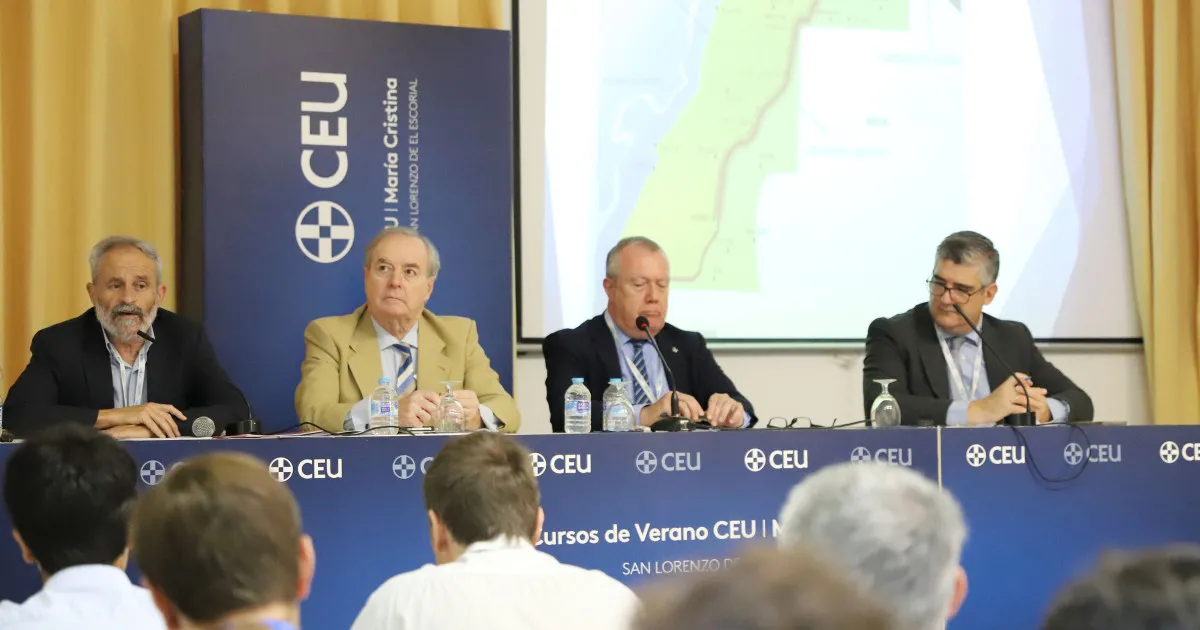
Felipe Briones, the chief anti-corruption prosecutor of Alicante and now a criminal prosecutor at the Supreme Court, expressed bewilderment at Sánchez's personal stance, which has not been validated by either the Parliament or the executive branch. Speaking during a course on the current geopolitical framework of the Spanish economy, directed by Javier Morillas, Briones emphasized the historical context of the conflict, tracing it back to Spain's withdrawal in 1976. He underscored the United Nations' doctrine, which asserts that Spain still holds sovereignty and administrative responsibilities over Western Sahara, thereby necessitating its decolonization.
Briones drew parallels with other historical precedents, such as the situation in East Timor, Namibia, and Rhodesia. He noted that in East Timor, despite Indonesia's invasion following Portugal's exit, Portugal adhered to its obligations under United Nations mandates, leading to a referendum on self-determination that resulted in independence more than four decades later. Similarly, he pointed out that in South Africa and Rhodesia, referendums were organized by the United Nations and the colonial power, respectively, which ultimately shaped the current political landscape.
The Geopolitical Implications of Western Sahara
Meanwhile, Carlos Echevarría, a professor of International Relations at UNED and director of the Ceuta and Melilla Observatory, highlighted the ongoing concerns surrounding the low-intensity armed conflict in Western Sahara. He commented on the region's vast natural resources, suggesting that it has the potential to become a 'small Kuwait' in northwest Africa. However, the current situation is marked by instability as Morocco has effectively doubled its territorial footprint in the region, making claims on surrounding areas, including parts of Mauritania and Algeria.
Antonio Alonso, a professor of International Relations at USP-CEU, further elaborated on Morocco's claims regarding the mineral-rich seabed near the Canary Islands, stressing the significance of these resources in light of current hydrocarbon prices. He noted that Morocco's assertions extend beyond its immediate territory, posing a potential threat to Spain's interests.
Abdula Arabi, the representative of the Sahrawi Republic in Spain, asserted that the Sahrawi Republic is recognized by the African Union as an African nation and holds one of its vice presidencies. He urged Spain to adhere to its traditional doctrine, aligned with United Nations principles, and to facilitate a referendum for self-determination. Moreover, he pointed out that the European Union does not recognize products from Western Sahara as originating from Morocco, emphasizing that it is the only country without internationally recognized borders.
As reported by eldebate.com.