The Unveiling of the Project and the Fall of Masks: A Map of the Decline of Brotherhood Influence in the Maghreb
The influence of the Muslim Brotherhood in the Maghreb region is rapidly eroding, showcasing a fundamental failure of a political project built more on religious slogans than on realistic programs. This decline is not merely a transient indicator but a clear regional trend that reveals the organization’s limitations and its inability to adapt to societal transformations. A report published by "Al-Yawm Al-Sabi" cites detailed data from "Extra News" regarding the diminishing presence of the Brotherhood in Libya, Algeria, and Morocco, indicating that the organization is facing one of its most challenging phases due to internal divisions and a significant decline in popularity.
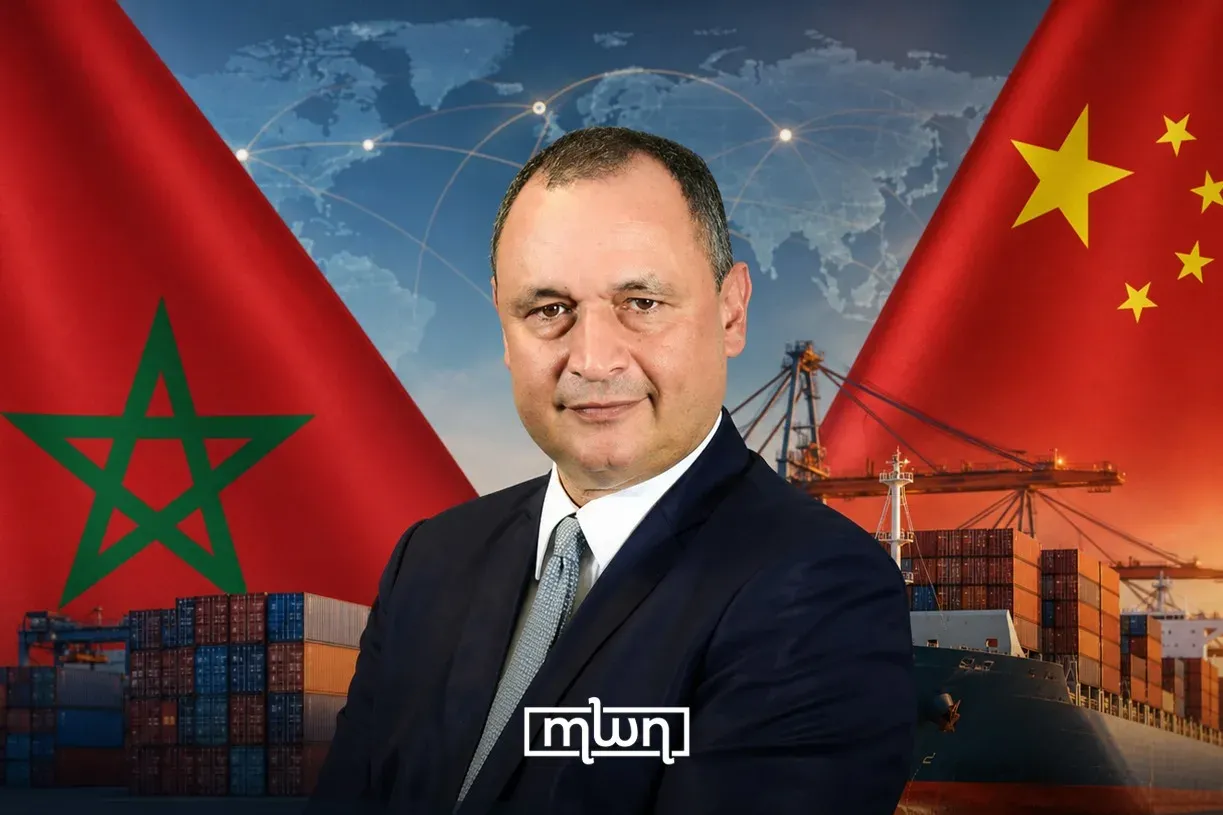
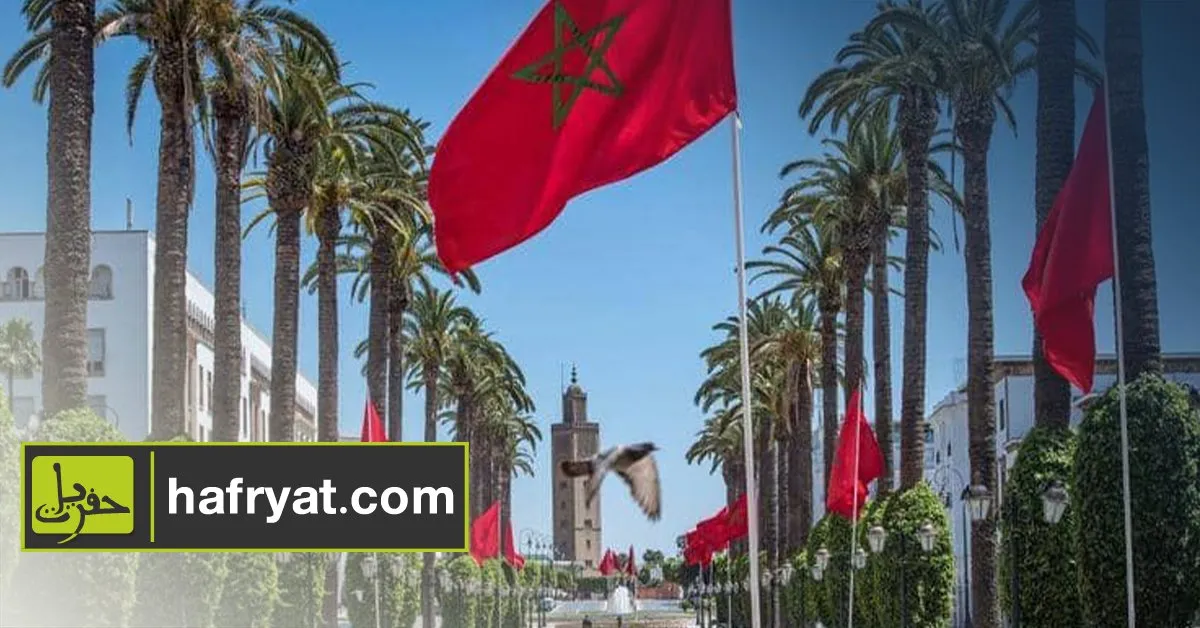
In Morocco, the Justice and Development Party (PJD), affiliated with the Brotherhood, suffered a devastating electoral blow in the 2021 elections, witnessing a dramatic drop in parliamentary seats from 125 to just 13. This collapse starkly illustrates the near-total loss of public trust, a failure that has been accumulating due to mismanagement and an inability to meet citizens' aspirations. The broader trend reflects a deeper reality that transcends mere electoral numbers; it demonstrates that the Brotherhood's project, which relies on exploiting religion in politics, has been laid bare before societies that have experienced its practices. After years of infiltration and attempts at entrenchment, the organization has encountered a growing public awareness that rejects the conflation of religious advocacy with political maneuvering and seeks realistic solutions rather than ideologically laden slogans.
In Libya, where the Brotherhood attempted to reposition itself post-Gaddafi, the political experience of the Justice and Construction Party has revealed the limited real impact of the Brotherhood, with election results reflecting only a marginal presence in the political scene. This failure has led the organization to attempt to circumvent challenges by changing names and fronts, yet its influence remains confined and contested within Tripoli.
In Algeria, the Brotherhood’s discourse has met a different social and economic reality, as the Movement for a Peaceful Society has lost its ability to engage with youth, who are now more focused on practical issues like living conditions and job opportunities rather than ideological slogans. This reflects a widening gap between the rhetoric of political Islam and the needs of reality, leading the Brotherhood to retreat to the margins of political life.
Furthermore, regional and international shifts have played a crucial role in this decline, as the political and media support that previously provided cover for the organization has diminished. Concurrently, there has been a rise in security and intellectual approaches aimed at dismantling its networks. This change in the supportive environment has placed the Brotherhood in direct confrontation with its internal crises without effective external backing.
As reported by hafryat.com.