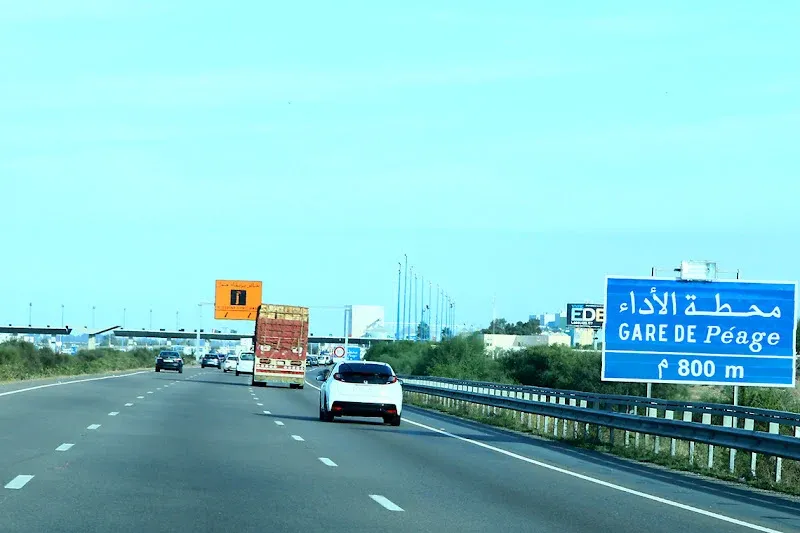
As the date for the upcoming legislative elections approaches, the issue of the highway in the Drâa-Tafilalet region has once again taken center stage in public discourse. Residents, civil society, and economic stakeholders are once again raising their voices, advocating for the alleviation of isolation faced by the provinces of Errachidia, Tinghir, Zagora, Midelt, and Ouarzazate. This time, however, their demands resonate more loudly as the political stakes are high, and past promises have largely gone unfulfilled. The phrase “Enough of Marginalization” has become a common refrain heard at gatherings, local communities, and weekly markets, with citizens expressing that the lack of a highway connecting their region to the rest of the country has cost them decades of developmental delays. Investors have withdrawn, tourists have opted for shorter routes, and patients have suffered as ambulances navigate perilous roads under dangerous conditions—all while the upcoming elections rekindle hope for many.
The Drâa-Tafilalet region, known as the gateway to Morocco's eastern desert and a reservoir of tourism, energy, and agriculture, remains disconnected from the national highway network. Each year, the alarming statistics surrounding road accidents on the routes through Tichka and the entrances to Tinghir, Midelt, Errachidia, Ouarzazate, and Zagora draw attention to the urgent need for infrastructure improvements. Local associations are sounding the alarm, and elected officials unanimously agree that a highway is not a luxury but a fundamental requirement for equitable regional development.
Covering an expansive area of over 88,000 square kilometers, Drâa-Tafilalet comprises five vital provinces that boast world-renowned tourist attractions such as the Todgha and Dades gorges, the Ouarzazate studios, and major solar energy projects, along with the lush oases of Errachidia and Zagora. Despite these resources, traveling along national roads 9, 10, or 13 remains a dangerous endeavor, particularly in winter. "It takes us four hours at best to reach Marrakech," lamented a taxi driver from Ouarzazate, adding that these delays directly impact health services, as emergency cases must be transported to Marrakech or Fez under challenging circumstances. Students and traders also struggle with the long distances and high transportation costs, exacerbating the regional disparities between Drâa-Tafilalet and other areas of Morocco.
Developmental associations in the region have launched consecutive advocacy campaigns under the slogan "The Highway is a Right, Not a Demand." Community activist Mohamed Hamidi from Errachidia stated, “Every electoral program mentions alleviating isolation, but once the results are in, the project disappears.” He emphasized that the population is now aware and will not accept empty promises, threatening to penalize those with false commitments at the ballot box. Additionally, he noted that local coordinations are preparing to submit demands to political parties before the official campaign begins.
A source from the Ministry of Equipment and Water, who preferred to remain anonymous, clarified that the construction of a highway from Marrakech to Ouarzazate and then to Errachidia is technically feasible but requires political will and substantial funding. He added, “The mountainous segment through Tichka is the most challenging and costly. However, alternatives exist through tunnels or new routes. Yes, the costs are high, but the cost of isolation is even greater in the long term.”
Numerous heads of local councils in the Drâa-Tafilalet region have informed Hespress that elected councils have repeatedly reached out to the Ministry of Equipment and Water regarding the absence of even one meter of highway in the region, yet they have received no response. They acknowledge that the project is expensive but suggest starting with a rapid segment from Midelt to Errachidia and gradually expanding it. “The residents of the region are not asking for the impossible; they are requesting a serious start,” stated a council president affiliated with the Istiqlal Party, which holds the portfolio for equipment and water.
Tourism professionals in Ouarzazate, Zagora, Tinghir, and Errachidia believe that the highway would significantly increase the number of visitors to the area. In this context, Abdessamad Mouhanni, a hotel manager in Errachidia, remarked, “Foreign tourists avoid long hours navigating the twists of Tichka to reach Merzouga or the Todgha gorges.” He added that a safe and fast road translates to more overnight stays and direct and indirect job opportunities, asserting that investing in the highway is investing in employment—a sentiment echoed by producers of dates and agricultural products.
Human rights activist Mouha Agbal from Ouarzazate revealed that the local population compares their situation to regions that have benefited from highway development over the past two decades, such as the Fes-Jdir axis or Agadir-Marrakech. He questioned, “Why does Drâa-Tafilalet remain an exception?” He noted that this sense of injustice fuels the current political discourse, turning the highway issue into a potent electoral pressure point.
As political parties gear up for the elections, promises regarding the highway have re-emerged in the speeches of some candidates. The populace is watching closely, demanding a clear timeline and a dedicated budget rather than mere slogans. Community activist Jamal Silwani stated, “We want a signed commitment from the government, not just election campaign rhetoric.” Furthermore, the demand for a highway in Drâa-Tafilalet has transcended local aspirations to become a matter of spatial justice, according to statements from several youths in the region. They assert that the upcoming elections present a genuine test of how seriously political actors will address the region's priorities, with citizens awaiting actions as political time runs short. Will 2026 mark the start of construction, or will it be yet another year of delays? The ball is now in the court of decision-makers.
As reported by hespress.com.