U.S. Intensifies Focus on Axe Mountain in Iran
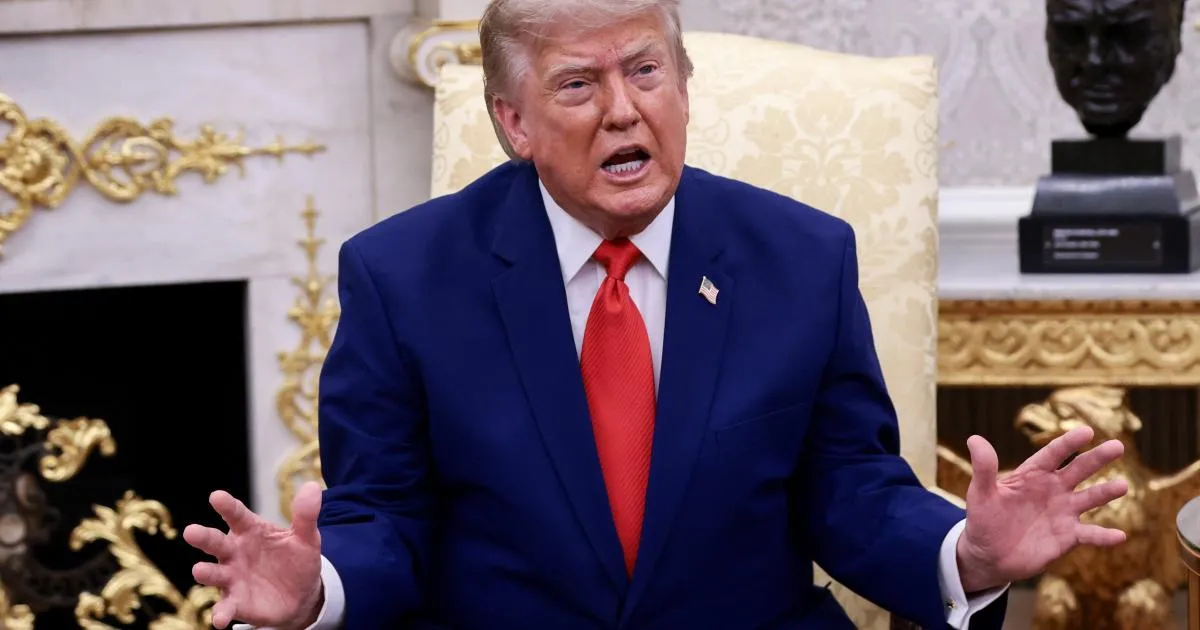
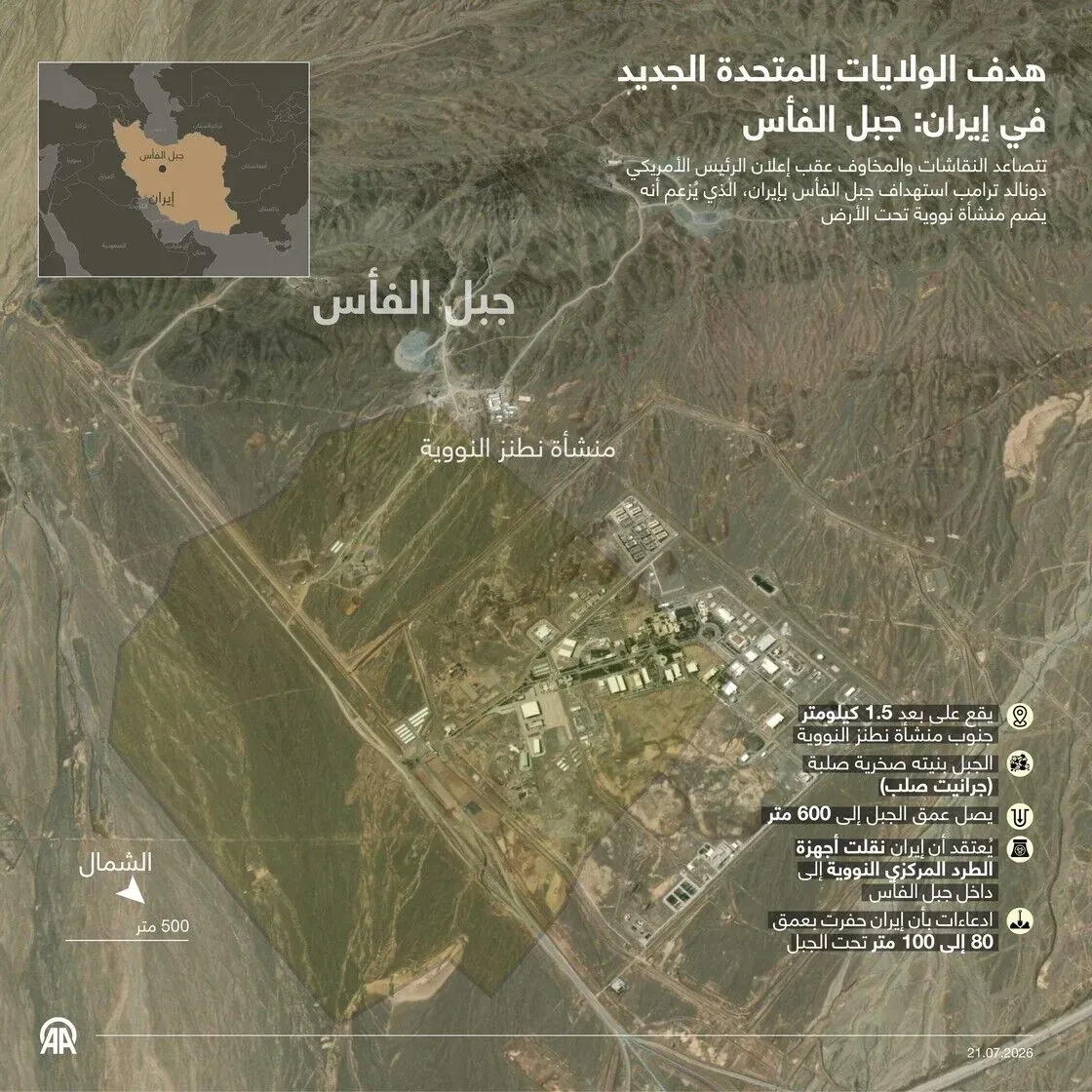
In a significant escalation of geopolitical tensions, discussions and concerns have surged following the announcement by U.S. President Donald Trump, who has set his sights on Axe Mountain in Iran. This location, believed to harbor an underground nuclear facility, has now become a focal point in the ongoing discourse surrounding Iran's nuclear ambitions. The implications of this development are profound, as it not only raises alarms within international communities but also underscores the complexities involved in U.S.-Iran relations. As the situation unfolds, it is critical to understand the broader context of these actions, including the potential repercussions on regional stability and the intricate balance of power in the Middle East.
The U.S. government's decision to target such a strategically significant site signals a shift in its approach to Iran, reflecting a more aggressive stance that could redefine diplomatic negotiations and military strategies in the region. Analysts suggest that this move may provoke a variety of responses from Iran, ranging from diplomatic protests to potential military counteractions. Observers are keenly monitoring the dynamics of this situation, as the international community grapples with the consequences of heightened tensions and the specter of military confrontation looming over diplomatic efforts.
Such developments are not isolated; they are part of a larger narrative that has been unfolding over the years concerning Iran's nuclear capabilities and the global response to them. The strategic implications of targeting Axe Mountain could reverberate throughout the region, influencing not only U.S.-Iran relations but also the interactions among other nations involved in the geopolitical chess game surrounding nuclear proliferation. As the world watches, the stakes remain extraordinarily high, and the path forward remains fraught with uncertainty.
As reported by aa.com.tr.