Understanding the Importance of Political Participation in Morocco
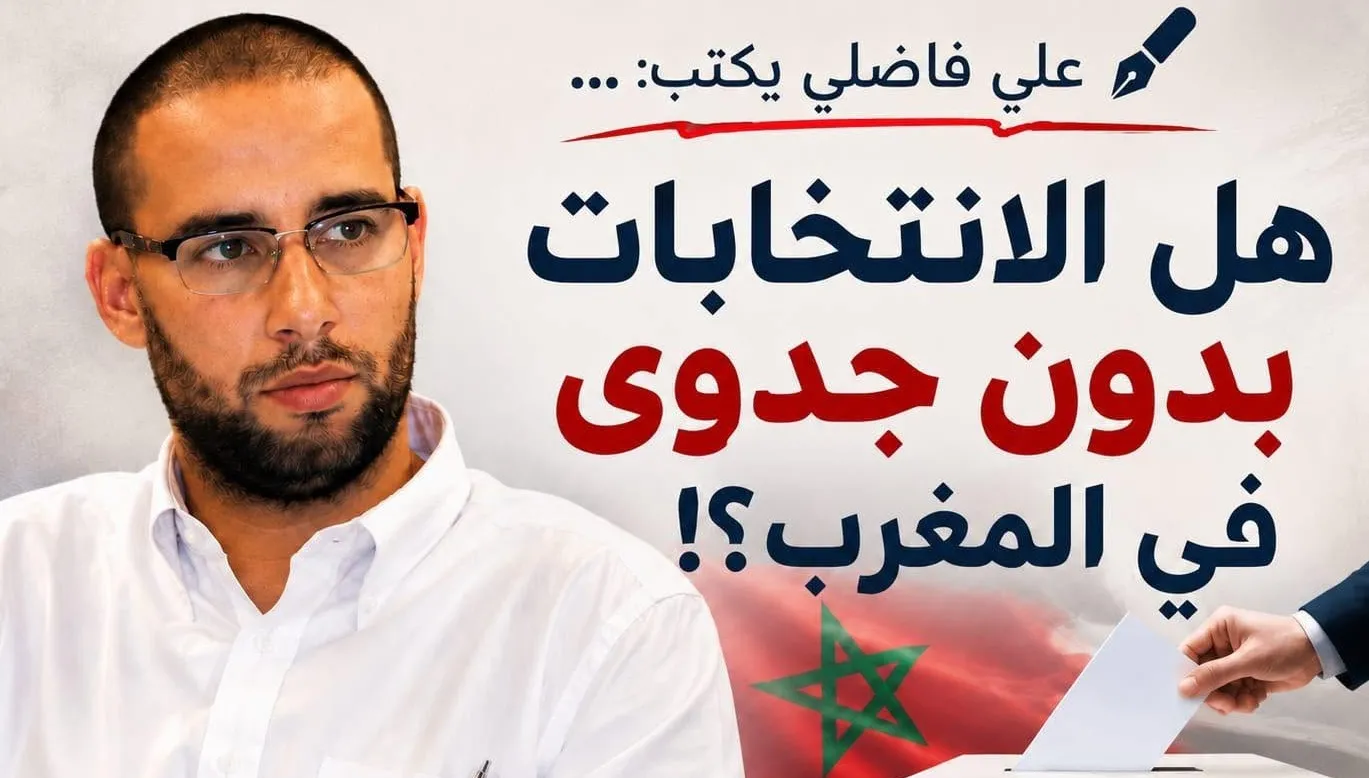
In recent discussions surrounding the relevance of political participation through elections in Morocco, two distinct viewpoints have emerged. One perspective advocates for a boycott of elections under the current circumstances, suggesting that it is more prudent to wait for improved conditions for participation. Conversely, another viewpoint argues for active engagement in the electoral process, asserting that waiting for better conditions is both unrealistic and counterproductive. This latter viewpoint emphasizes that genuine improvement in the conditions for participation can only be achieved through active involvement in the electoral process itself. Before delving into the question of whether elections in Morocco are worthwhile, it is crucial to explore a more fundamental question: how does democratic transformation occur? What mechanisms facilitate the transition from non-democratic to democratic governance?
To frame this discussion, we can reference the significant work "Determinants of Democratic Transition" by Swedish researcher Jan Teorell, which analyzed a vast sample of 165 countries over a period from 1972 to 2006. This extensive study provides invaluable insights into the dynamics of democratic change. Teorell's inquiry focuses on two primary questions: how does democracy emerge as a preferred system of governance, and what factors determine the process of democratic transition?
Without delving deeply into the theoretical frameworks discussed by Teorell, it is important to highlight some of his key findings relevant to our topic. One significant conclusion drawn by Teorell is that multi-party autocratic regimes are more susceptible to democratic transition compared to single-party dictatorships. He advocates for the necessity of conducting multi-party elections as a paramount political priority, despite contrary claims. Furthermore, he underscores that organizing elections—even if they are flawed or illegal—is vital for the long-term process of democratic transformation.
International Examples: Turkey and Pakistan
To better understand the necessity of participating in elections, regardless of prevailing criticisms about their conduct and the surrounding circumstances, we can draw lessons from international experiences. In Turkey, the strategic choice made by democratic forces was to participate in elections despite numerous obstacles, including military coups and authoritarian pressures. For instance, in 1998, following the banning of the Welfare Party and the imprisonment of its leader, Recep Tayyip Erdoğan, some of its members established the Justice and Development Party (AKP) and participated in the 2002 elections, ultimately securing victory. Despite facing ridicule and criticism from boycott advocates, the AKP has successfully governed Turkey since 2002, demonstrating significant progress across various fronts. Even opposition groups, who once criticized the AKP, now see participation in elections as a viable means to challenge the ruling party.
Similarly, in Pakistan, despite the coup against Prime Minister Imran Khan and the subsequent imprisonment of his party members, the Pakistan Tehreek-e-Insaf (PTI) chose to participate in elections under different names. This strategic decision allowed them to emerge victorious and secure the top position in government, all while they could have opted for a boycott until conditions improved.
When we consider the Moroccan context, it is essential to recognize the historical backdrop following Morocco's independence, where the monarchy emerged as a dominant actor, legitimized by its religious, historical, and national struggle credentials. The national parties, which played significant roles in the independence movement, were initially viewed as major societal forces, while the third force—representing corruption and authoritarianism—was marginal. However, as the struggle between the monarchy and national parties intensified, the influence of this third force began to expand.
Historical events, such as the coups against the monarchy and the resulting tensions, illustrate the complexities of Morocco's political landscape. Certain factions within the national parties rejected the 1962 constitution, yet decades later, they accepted the far less progressive 1996 constitution, leading to a significant loss of potential advancements for Morocco.
Ultimately, the expectation of improved conditions for participation is a misguided and unrealistic notion. The enhancement of electoral conditions can only be achieved through active participation in elections, the establishment of serious political parties, and significant voter turnout that counters electoral fraud and corruption. Democracy is not an overnight solution but rather a complex and protracted journey. As the renowned thinker Abed Jabri noted, the maturity of a people towards democracy can only be realized through the practice of democracy itself, much like a child learns to walk through the act of walking.
As reported by pjd.ma.