Strategic Vision for Dakhla Port Development
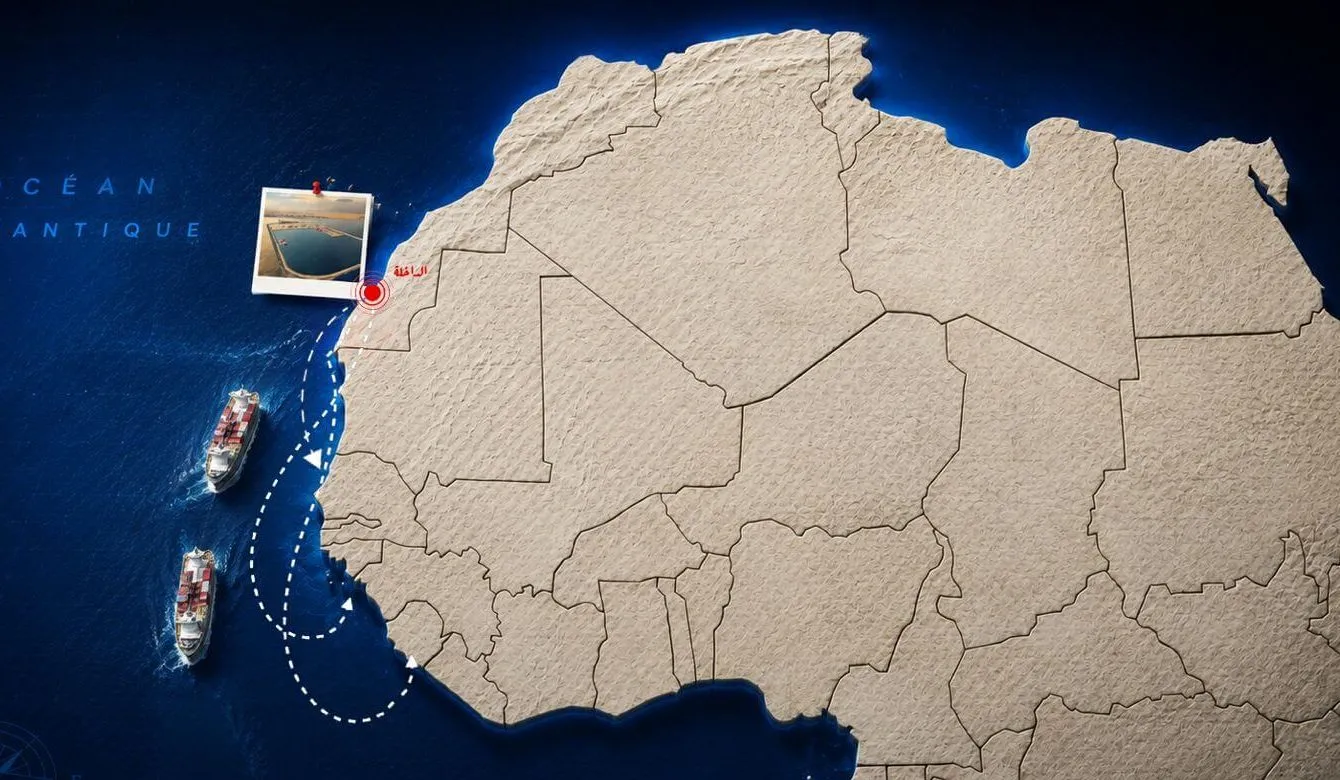
Morocco is on a determined path to establish the Dakhla Atlantic Port as one of the foremost commercial and logistical hubs along Africa's Atlantic coastline. This initiative transcends the mere construction of a new maritime dock; it aims to create a comprehensive platform that seamlessly connects Moroccan production with both African and international markets. The ambitious project envisions Dakhla as a direct launch point for vessels carrying agricultural, food, and industrial products to West African nations, thereby gradually reducing Moroccan exports' reliance on lengthy overland transportation through the Guerguerat border crossing.
Progress and Economic Impact of the Dakhla Port Project
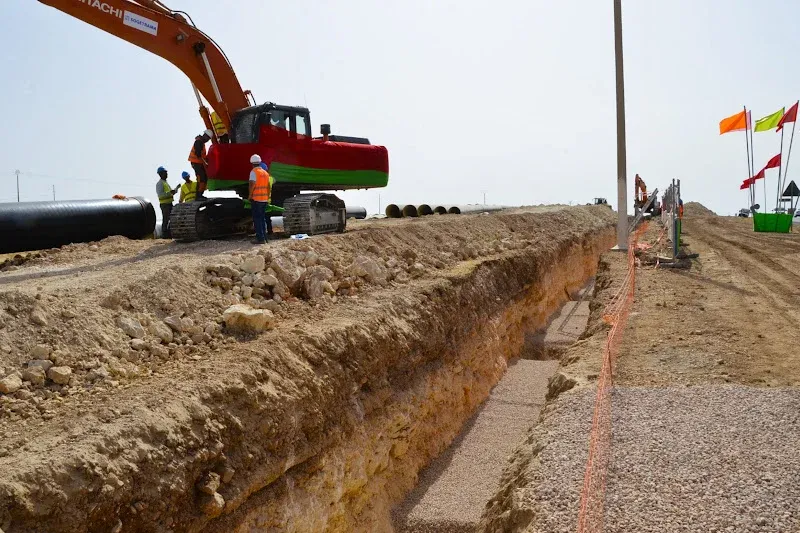
Construction of the port commenced in 2021, and as of early 2026, projections indicate that approximately 70% of the project will be completed during the current year, with final works expected to conclude by the end of 2028, followed by the operational launch of the port complex. Strategically located in deep waters north of Dakhla, the port is being developed at a cost nearing one billion dollars, featuring a depth of up to 23 meters. According to Morocco's Minister of Equipment and Water, Nizar Baraka, this depth positions Dakhla as the country's deepest port, capable of accommodating large vessels and supporting heavy industrial activities.
The port's role extends beyond traditional cargo handling; it integrates commercial shipping facilities with fishery services and logistical operations. It also encompasses nearly 1,600 hectares earmarked for industrial investment, alongside a surrounding agricultural area of 5,200 hectares utilizing desalinated water for irrigation. Documentation from the Ministry of Equipment outlines a future capacity for the port to handle around 35 million tons of commercial traffic, enabling it to serve as a hub for consolidating, transforming, storing, and re-exporting goods, rather than merely acting as a local outlet for Dakhla.
One of the port's pivotal functions is to reorganize Morocco’s exports towards Africa. Currently, Moroccan goods—particularly fruits, vegetables, and food products—are transported by truck through Guerguerat, traversing Mauritania towards Nouakchott, Senegal, and other West African markets. While this route is vital for ensuring direct commercial engagement with the African hinterland, it remains vulnerable to border customs regulations, fuel costs, maintenance, insurance, and the prolonged duration of transport. The fragility of this supply chain became evident in January 2024, when Mauritania increased customs fees on several Moroccan truck loads by an estimated 171%. Reports indicated that the clearance cost for large trucks surged from approximately 1,600 euros to over 4,600 euros, triggering a halt in truck operations and disrupting the delivery of products to Mauritanian markets.
In response, Rabat and Nouakchott initiated discussions to address the issue; however, the incident highlighted to exporters the risks of relying almost entirely on a single crossing and transit country, exposing their trade to unexpected decisions beyond their control. The challenges do not stop at Mauritanian tariffs, as overland transport to distant West African markets often involves varying road conditions and multiple border crossings, with risks of delays, accidents, and security disturbances. The World Bank notes that inadequate infrastructure and delays at borders elevate the cost of overland trade in West Africa, with administrative holdups and unaccounted expenses potentially increasing regional trade costs by as much as 25% in certain instances.
Thus, direct maritime transport from Dakhla emerges as a complementary option that could significantly reduce long overland distances and the associated number of crossings and fees. Instead of dispatching every truck over thousands of kilometers, cargo can be consolidated at the port and shipped via commercial vessels or roll-on/roll-off ships that transport trucks and trailers directly to West African ports. This shift would offer greater stability, especially for products requiring cold chains and precise delivery timelines. The aspirations for Dakhla Port extend well beyond merely exporting Moroccan products. Its location on the Atlantic Ocean positions it favorably for connections with shipping routes from Europe and the Americas, subsequently linking to those heading towards West Africa and other global markets. The Moroccan government has promoted the project as a platform for enhancing integration with African and Latin American markets, serving as a conduit to connect Sub-Saharan Africa with international trade.
Furthermore, the port represents a key practical element of the royal initiative aimed at providing landlocked Sahel countries, particularly Mali, Niger, Burkina Faso, and Chad, with access to the Atlantic Ocean. Consequently, Dakhla could transform into an entry point for importing these nations' needs while facilitating the export of their products and raw materials, within a framework that combines overland routes, logistical platforms, and maritime transport.
As reported by assahifa.com.