Trelleborg's Resilience and Sustainable Innovations
Trelleborg, the renowned Swedish multinational, has demonstrated remarkable resilience by achieving a record operating margin in the first quarter, even amidst challenging industrial conditions. The company is increasingly focusing on sustainable materials while simultaneously expanding its global production capabilities. This strategic pivot aims to reduce dependence on economic cycles by integrating high-margin niche products into their portfolio. In a significant move towards sustainability, Trelleborg has introduced two new types of rubber in its sealing division, which incorporate biomass materials such as straw and forestry residues. This initiative is expected to substantially decrease the carbon footprint of its products, responding effectively to the rising demand from industrial partners for low-emission components.
The new sustainable materials are set to find applications predominantly in the automotive sector, energy industry, and general manufacturing. Investors are left pondering whether it is the right time to sell their shares or consider entering the market with Trelleborg. Despite currency fluctuations impacting reported revenues, stringent cost management has helped mitigate these pressures, resulting in an impressive stock price increase of nearly 14 percent over the past month.
Expansion into New Markets
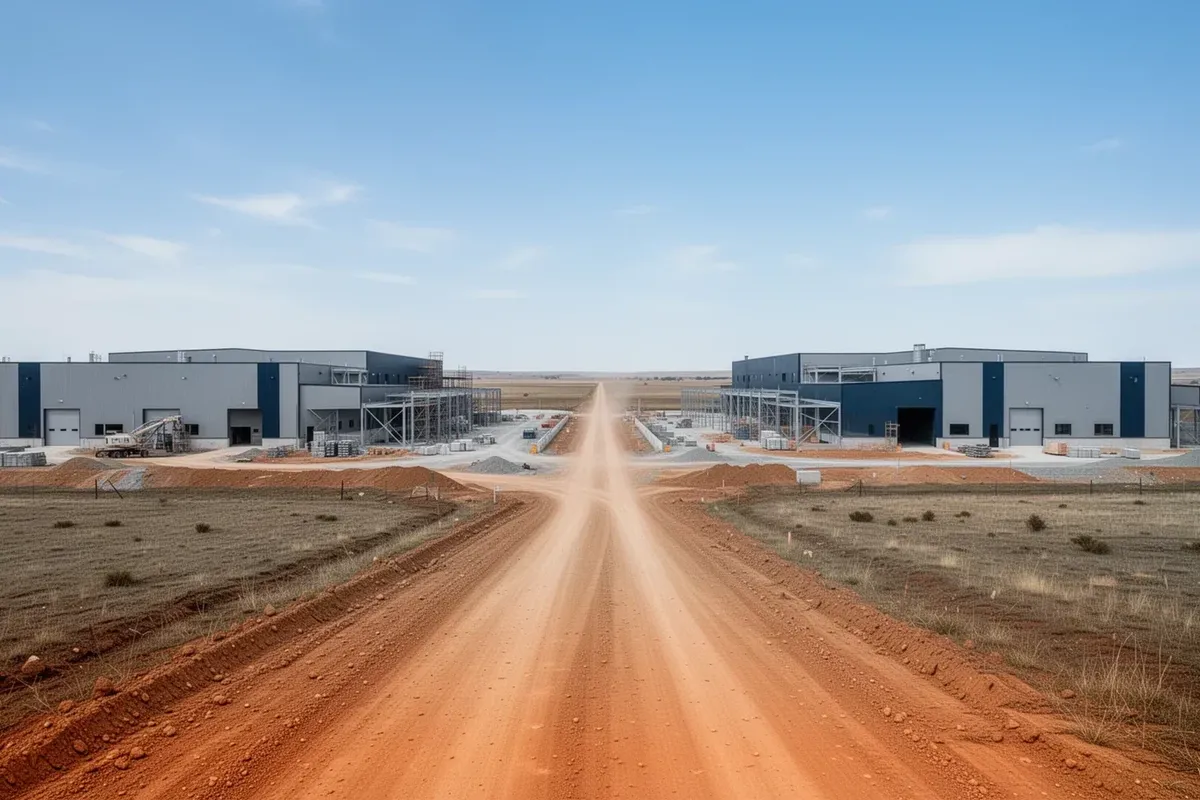
In addition to its financial achievements, Trelleborg is making substantial investments in new production facilities. This spring, the company is set to launch operations in North Carolina and Morocco, aimed at bolstering anticipated growth in North America and North Africa. Furthermore, Trelleborg is integrating the Austrian specialist Nexus Elastomer Molds into its operations, which will enhance its position in precision tooling. Analysts have praised Trelleborg's focus on medical solutions and high-performance seals, which serve as a buffer against fluctuations in the broader global economy. Currently, Trelleborg's stock is trading at €35.60, approximately six percent below its 52-week high recorded in February.
Looking ahead to the second quarter, management anticipates a slight uptick in demand, with a concentrated effort on the timely commencement of production in the US and Morocco, which are vital for enhancing supply capabilities in target markets in the short term. Investors are left with the pressing question: Should they buy or sell Trelleborg shares? The latest analysis from April 28 provides crucial insights into the current situation, highlighting the urgent need for action among Trelleborg shareholders.
As reported by ad-hoc-news.de.