Unprecedented Climate Challenges Facing Moroccan Agriculture
A joint report released by the Food and Agriculture Organization (FAO) and the World Meteorological Organization (WMO) paints a stark picture of the agricultural sector in Morocco, which is increasingly vulnerable to the adverse effects of climate change. The report underscores the escalating impact of extreme weather conditions, particularly intense heat waves and prolonged droughts, which have significant economic and environmental repercussions.
Notably, agriculture contributes approximately 10% to Morocco's Gross Domestic Product (GDP) and is heavily reliant on rainfall, particularly due to the dominance of rain-fed farming practices. This dependency renders the sector particularly fragile in the face of extreme climate phenomena. The period from 2022 to 2024 has been marked as one of the most challenging climatic phases in Morocco's recent history, characterized by a severe six-year drought coinciding with a series of exceptional heat waves.
The report indicates that Morocco experienced record-breaking heat waves during this timeframe, including a notable 11-day heat wave in March 2023 and another lasting 10 days in July 2024. Many regions recorded temperatures surpassing 40 degrees Celsius, leading to significant heat stress on crops and livestock, alongside heightened risks of wildfires.
As a result of the intertwining of extreme heat and water scarcity, the agricultural sector has faced devastating losses, with grain yields plummeting by an alarming 43% during the 2023-2024 season, marking historic lows. Wheat production has reportedly reached its lowest level in over 15 years. Additionally, high-value crops, such as fruit trees, particularly olive trees, have suffered substantially, with heat waves and elevated nighttime temperatures causing fruit drop and reduced oil content. The production and export of citrus fruits have also seen a significant decline, reflecting the extensive impact of these climatic events.
In terms of livestock, the report highlights that heat stress, along with a shortage of feed due to drought, has directly affected the health of livestock, resulting in decreased milk and meat production. Faced with these daunting conditions, many farmers have been compelled to reduce their cultivated areas or abandon certain agricultural activities, particularly in rain-dependent regions, exacerbating economic losses and increasing the vulnerability of rural households.
The repercussions of this crisis extend beyond the agricultural sector, adversely affecting the ecosystems associated with it. Morocco's forests have sustained severe damage due to high temperatures and drought conditions. In 2022, extensive wildfires devastated approximately 22,760 hectares, particularly in the Rif region.
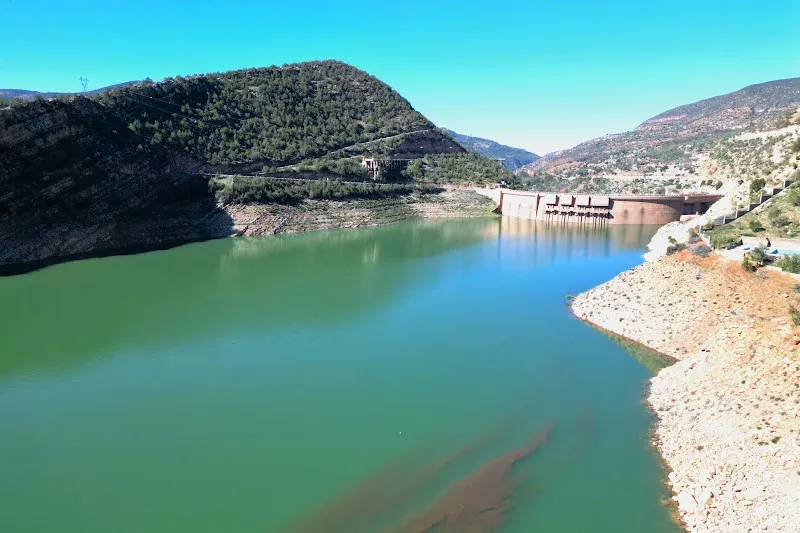
However, the most significant threat, according to the report, lies in the unprecedented deterioration of water resources. The combination of drought and rising evaporation rates has led to historically low water levels in dams and aquifers by the summer of 2024. This situation has directly impacted water distribution networks, causing significant disruptions and acute shortages of drinking water, alongside widespread restrictions on irrigation water, negatively affecting agricultural production.
The joint report from the FAO and WMO concludes that the current circumstances in Morocco reflect an increasing vulnerability of agricultural and environmental systems to the rapid onset of extreme climatic events. It emphasizes the urgent need for more effective adaptation policies to enhance the resilience of the agricultural sector and ensure the sustainability of natural resources.
As reported by hespress.com.