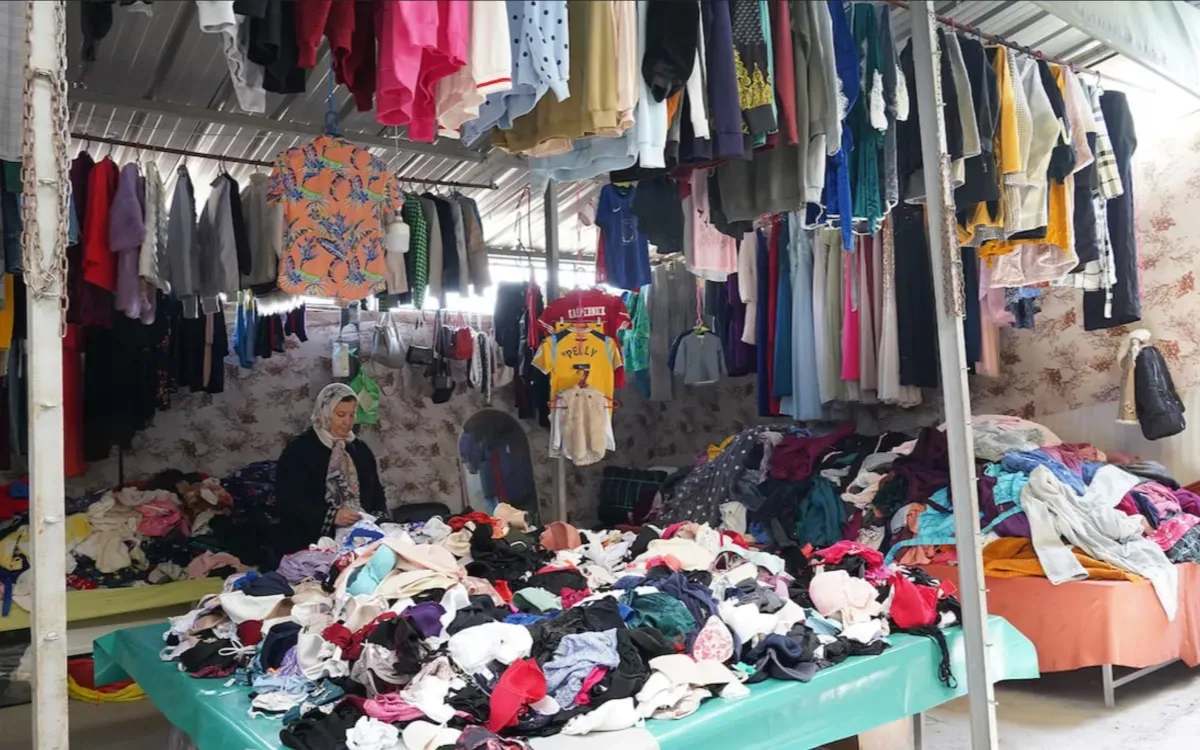
Organized networks appear to be concealing new clothing within shipments of second-hand items imported into Morocco. These products, falsely declared as used clothes or humanitarian aid, manage to evade customs duties before being resold in local markets. In response to precise intelligence received from the central risk management unit, the Customs Administration has significantly intensified its vigilance at border posts and along several major roadways.
The ongoing investigations focus on shipments purporting to be second-hand clothing, which are suspected of hiding substantial quantities of new garments. According to Hespress, these networks involve merchants, intermediaries, and certain organizations based abroad. Sometimes, these goods are presented as humanitarian aid intended for the underprivileged, allowing them to benefit from a complete exemption from customs duties.
Once these shipments enter Morocco, the new clothing is separated from the used items in warehouses located primarily around Tangier and Tetouan. They are then progressively distributed to shops at prices that are difficult to compete with since no import taxes have been paid. These networks particularly exploit sale periods and end-of-season clearances in Europe, purchasing heavily discounted stock—sometimes at prices more than 80% lower than their original value—before mixing them with bales of second-hand clothing.
Customs on the Hunt for New Clothing Warehouses
New directives issued to inspectors focus on monitoring the routes taken by suspicious shipments, inspecting the means of transport, and verifying the warehouses used to store these goods. Investigations have also revealed connections with merchants based in Ceuta and Melilla, from whom these networks procure unsold stock from previous seasons.
Some intermediaries operating in Morocco are former smuggling actors who have pivoted their operations following the closure of several traditional crossing points. They already possess the necessary contacts and logistics to swiftly transport and resell the goods. This illicit traffic deprives the Treasury of customs revenues and undermines Moroccan textile and clothing professionals. Merchants who typically pay their taxes find themselves competing against products sold at low prices through channels that evade the standard import regulations.
As reported by bladi.net.