Overview of Uropathogenic Enterobacteriaceae and Antimicrobial Resistance
Urinary tract infections (UTIs) rank among the most prevalent bacterial infections worldwide, significantly affecting community and hospitalized populations alike. The sheer volume of cases, estimated at 150 million annually, underscores the substantial global burden of UTIs, which arise when pathogenic microorganisms colonize the urinary tract, instigating an inflammatory response. The causative agents of UTIs are diverse, encompassing a variety of bacteria, fungi, and even viruses. Yet, the Enterobacteriaceae family, particularly Escherichia coli, Klebsiella pneumoniae, and Proteus mirabilis, predominantly accounts for these infections. The increasing challenge of antimicrobial resistance (AMR) complicates the empirical treatment of UTIs, necessitating urgent attention and effective management strategies.
In light of the global rise in AMR, the World Health Organization established the Global Antimicrobial Resistance Surveillance System (GLASS) in 2015, aiming to enhance the comparability of resistance data across nations. Morocco joined this initiative in 2018, yet published insights into the resistance patterns of uropathogenic Enterobacteriaceae, particularly in the under-researched northern regions like Tétouan Province, remain sparse. This study seeks to fill that gap by characterizing the species distribution and resistance profiles of community-acquired uropathogenic Enterobacteriaceae in Tétouan, thereby contributing essential data to inform clinical practices and bolster national AMR surveillance efforts.
Research Findings and Implications for Treatment
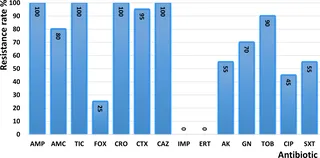
Conducted between April 2022 and December 2023, this cross-sectional study involved three medical laboratories in Tétouan, Morocco, and analyzed 422 Enterobacteriaceae isolates obtained from urine cultures. The results revealed a striking predominance of Escherichia coli, which constituted 83.4% of the isolates, followed by Klebsiella pneumoniae (9.2%). This study highlighted alarming resistance rates to commonly prescribed antibiotics: 60.9% for ampicillin and 56.2% for ticarcillin. Notably, however, resistance to carbapenems remained low, with only 1.2% for imipenem and 0.9% for ertapenem, indicating their continued efficacy. Additionally, 4.7% of the isolates were found to produce extended-spectrum β-lactamases (ESBL), predominantly among E. coli strains. Such findings emphasize the urgent need for reinforced antimicrobial stewardship and continuous regional surveillance to guide empirical treatment protocols and mitigate the spread of resistant pathogens.
The gender distribution of the isolates indicated a higher incidence in female patients (74.9%), with significant differences in UTI occurrence by age and sex. These insights not only enrich the understanding of uropathogenic Enterobacteriaceae in Tétouan but also underline the clinical implications for tailored treatment approaches. The moderate prevalence of ESBL-producing strains highlights the necessity for ongoing research and adaptability in treatment strategies to combat the rising tide of AMR effectively.
As reported by journals.plos.org.