The Startup Funding Landscape in Morocco
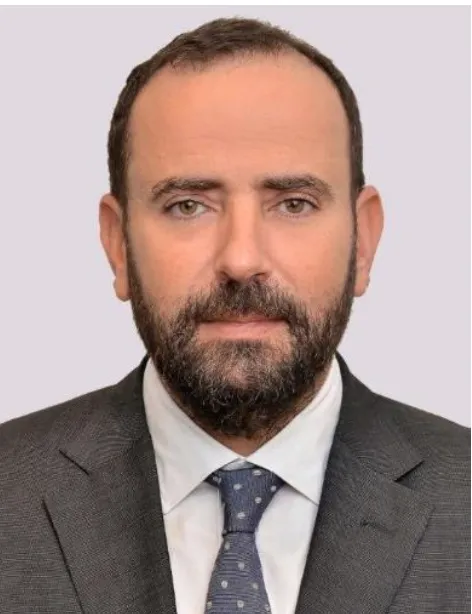
In recent discussions surrounding the startup ecosystem in Morocco, the prevailing narrative suggests that the true obstacle is not a lack of financial resources but rather the challenge of securing initial funding. During the fourth edition of Gitex Africa held in Marrakech, Ahmed Djamai, the Program Director at Flat6Labs, provided insights on the early-stage financing challenges faced by startups. He emphasized that while Morocco is making strides towards enhancing its entrepreneurial landscape, the timeline leading to 2030 is crucial for assessing the execution and effectiveness of various strategies aimed at fostering startup growth.
Djamai highlights that the gap in startup financing primarily exists at the early stage, where startups often struggle to obtain the initial capital necessary to develop their Minimum Viable Product (MVP) and access the market. This early funding, which is critical for laying the groundwork for future success, is often referred to as the "first ticket." He notes that while there is a perception of inadequate funding, the real issue lies in the mechanisms available for early-stage investments, which are essential for startups to thrive.
The Role of Government and Market Regulation
Further dissecting the barriers to startup growth, Djamai points to two additional factors beyond financing: market regulation and adequate support systems. He argues that startups require not only financial backing but also a clear pathway to market access, which should be facilitated by regulatory frameworks. Furthermore, he stresses the importance of mentorship and guidance for entrepreneurs, particularly those venturing into the startup arena for the first time. These entrepreneurs need to develop a mindset that transcends local market limitations, allowing them to envision broader, scalable opportunities.
Djamai also discusses the role of the Moroccan government as a facilitator, investor, and client in the startup ecosystem. He applauds initiatives like the Mohammed VI Fund and programs aimed at fostering startup growth, but he also identifies areas for improvement, such as adapting public procurement processes to be more inclusive of startups. He advocates for a quota system that mandates a certain percentage of public contracts be awarded to emerging companies, thus providing them with the opportunities necessary for growth.
Moreover, Djamai posits that enhancing corporate venturing practices can significantly benefit startups. By encouraging established companies to engage with startups through innovation and partnership mechanisms, the corporate sector can provide crucial support that leads to tangible outcomes for fledgling businesses.
Ultimately, Djamai believes that cultural shifts are necessary to cultivate an entrepreneurial spirit among the youth in Morocco. Instead of merely preparing students for traditional employment, there should be a focus on fostering an entrepreneurial mindset from an early age. He reassures that with evolving funding mechanisms and a push towards more open market practices, the future for Moroccan startups can be promising if these cultural and systemic changes are implemented effectively.
As reported by medias24.com.