
Multiple Dynamics Behind Demolitions in Morocco
Across Morocco, a surge in demolitions has stirred a sense of widespread disorder, yet beneath these viral images lies a structured strategy driven by various public policies. These demolitions, which have notably increased since late 2023 and significantly accelerated in 2026, are motivated by distinct logics, including urban planning, shoreline reclamation, the fight against slum housing, and the clearance of illegally occupied land. As the country prepares for the 2030 World Cup, these actions are being expedited, although they are not solely responsible for the ongoing operations.
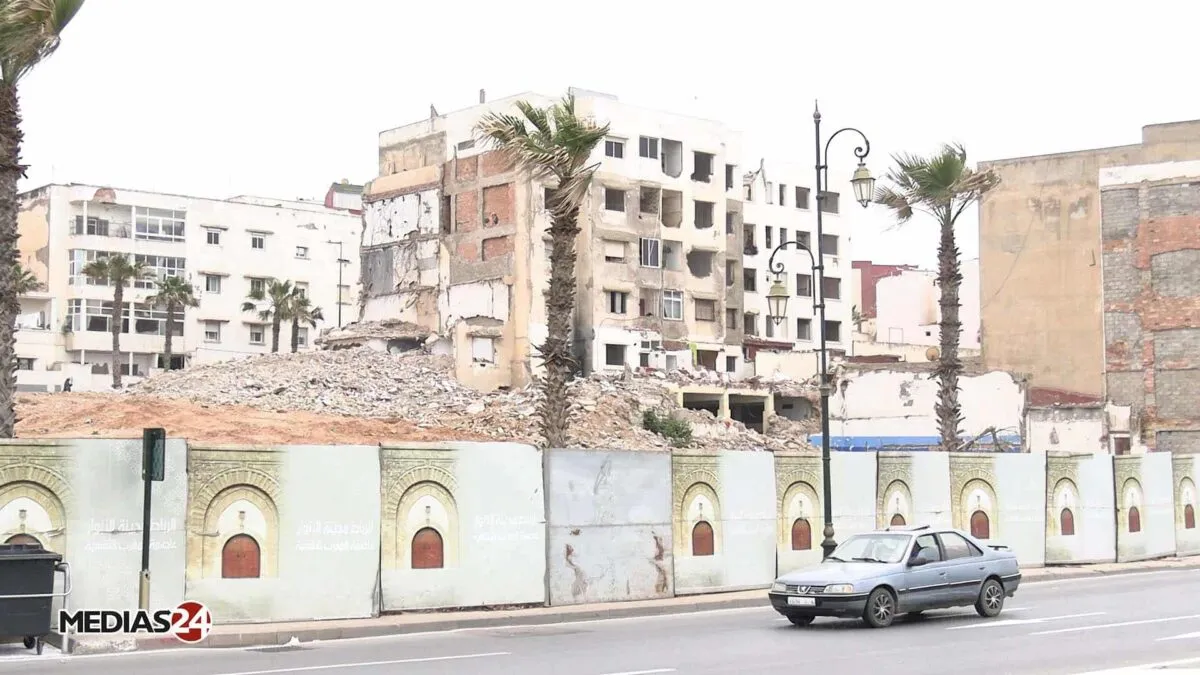
The situation in Rabat, especially in the Ocean neighborhood, reveals a particularly complex legal framework surrounding expropriations. Many property owners perceive the compensation offered as inadequate, while practices such as the partial demolition of facades upon the acceptance of offers raise significant concerns. Tensions with law enforcement have been reported at several sites, highlighting the contentious nature of these demolitions.
Key Developments and Urban Projects
One of the most significant urban projects is the Royale Avenue in Casablanca, which has finally transitioned from planning, a stage it remained in for approximately forty years, to actual on-ground work. Recent demolitions in the old medina of Casablanca have marked a visible turning point, particularly in areas such as Derb Rmad and the sectors of Mouha Ou Saïd and An-Nazala. While the overall demolition perimeter related to this project is now identified, the specific neighborhoods that will be razed have yet to be officially disclosed.
Financially, the initiated contracts for the Royale Avenue project amount to about 78.2 million Moroccan dirhams, with one contract awarded so far covering two phases, expected to be executed within a twelve-month period. These demolition efforts are also paralleled by resettlement plans, particularly in Nassim, where a significant program is underway to accommodate affected households. A total of 16,550 apartments are planned, with the first wave of housing expected to be mobilizable quickly, some within three to six months, while others may take up to a year or even until 2027 to become available. This aims to ensure rapid resettlement for the first impacted families, thereby facilitating the operations.
In the Ocean neighborhood of Rabat, the demolitions are advancing at a rapid pace, yet the framework remains largely opaque even to some local elected officials. The initial interventions have targeted Douar Askar, a former residential area for military personnel, and have since expanded to other zones. Initially presented as amicable transactions, these operations have evolved into a formal expropriation process, governed by decrees published in the official bulletin in March 2026, citing public utility as part of Rabat's urban development. Although these decrees have clarified certain properties involved, they have not resolved ambiguities surrounding the overall perimeter or the ultimate goals of the project.
Despite the progress made, the precise nature of the final project for the Ocean neighborhood remains unclear, as the definitive urban development plan hints at a transformation yet to be fully disclosed. The complexities of these demolitions reflect broader urban dynamics and the challenges of managing urban growth and redevelopment in a rapidly changing context.
As reported by medias24.com.