Rector Francisco García Addresses Missteps in Western Sahara Trip
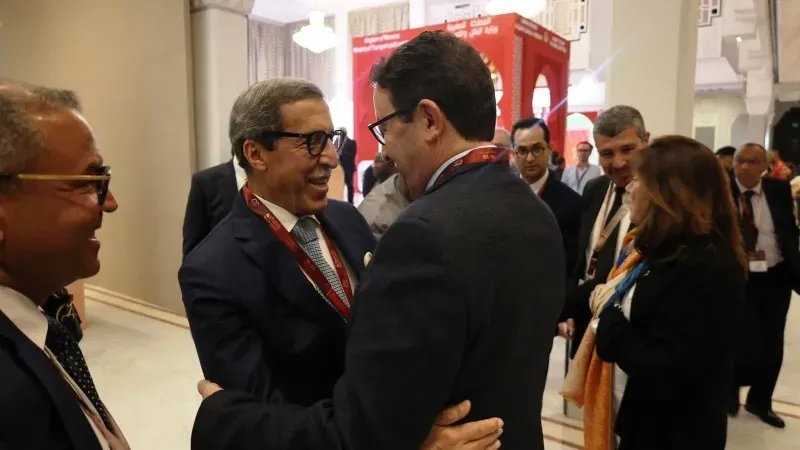
On July 25, 2026, Francisco García, the rector of the University of La Laguna, publicly acknowledged the mistakes made during an institutional visit to the University Ibn Zohr's facilities in El Aaiún and Dajla, located in the occupied Western Sahara. Speaking at a meeting of the ULL Governing Council, García admitted to shortcomings in the planning, design, and communication regarding the trip, which had led to backlash from Sahrawi organizations, solidarity associations, and segments of the university community itself. The controversy arose after a delegation from the Canary Islands' public universities visited the Moroccan institution's two campuses in the disputed territory. The initial presentation of the visit inadvertently contributed to validating Morocco's claims over the region, which was subsequently exploited by Moroccan media as political support for the occupation.
Collaboration with Ibn Zohr Limited to Agadir Campus
In light of the backlash, the rector's rectification extended beyond mere apologies. García announced that future collaboration with the University Ibn Zohr would be confined exclusively to its Agadir campus, effectively excluding the El Aaiún and Dajla centers from any academic partnerships. This decision signifies an acknowledgment that academic activities at these campuses cannot be separated from the legal status of Western Sahara, a territory that remains on the United Nations' list of non-self-governing territories. Furthermore, the University of La Laguna has revised its language to explicitly refer to both cities as part of Western Sahara.
Additionally, Francisco García revealed that he has engaged in discussions with the Center for African Studies and various Canary Islands associations dedicated to solidarity with the Sahrawi people. He also announced plans for an upcoming meeting with representatives of the Polisario Front and new academic initiatives aimed at studying and raising awareness about the territory's situation. Moreover, García confirmed his acceptance of an invitation to visit the University of Tifariti in the coming months, highlighting the university's ongoing collaboration with the Sahrawi academic institution. This rectification is significant as it incorporates concrete decisions that alter the political implications of the initial visit, reaffirming the ULL's commitment to exclude any cooperation with Moroccan-operated centers that serve to normalize institutional appearances in the occupied territory while restoring dialogue with Sahrawi representatives.
Such a response substantiates that the protests raised by the Polisario Front, various solidarity organizations, and the academic community were neither exaggerated nor futile. It asserts that academic cooperation should not be used as a means to present a territory awaiting decolonization as Moroccan. In this instance, the protest has led to meaningful rectification.
As reported by noteolvidesdelsaharaoccidental.org.